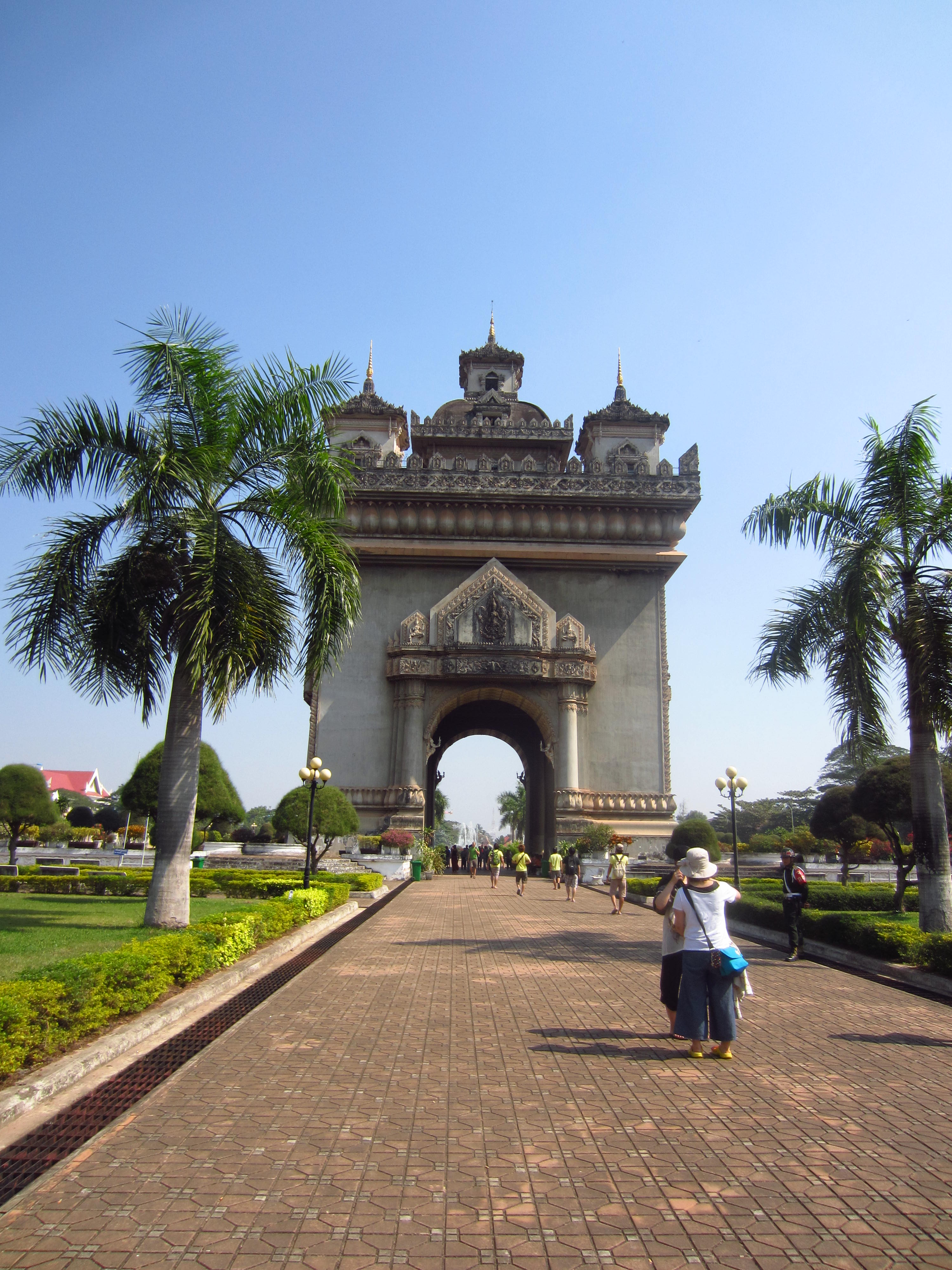
Patuxai Vicotry Gate (Lao version of the Arc De Triumph) in
Vientiane

Vang Vieng mountains
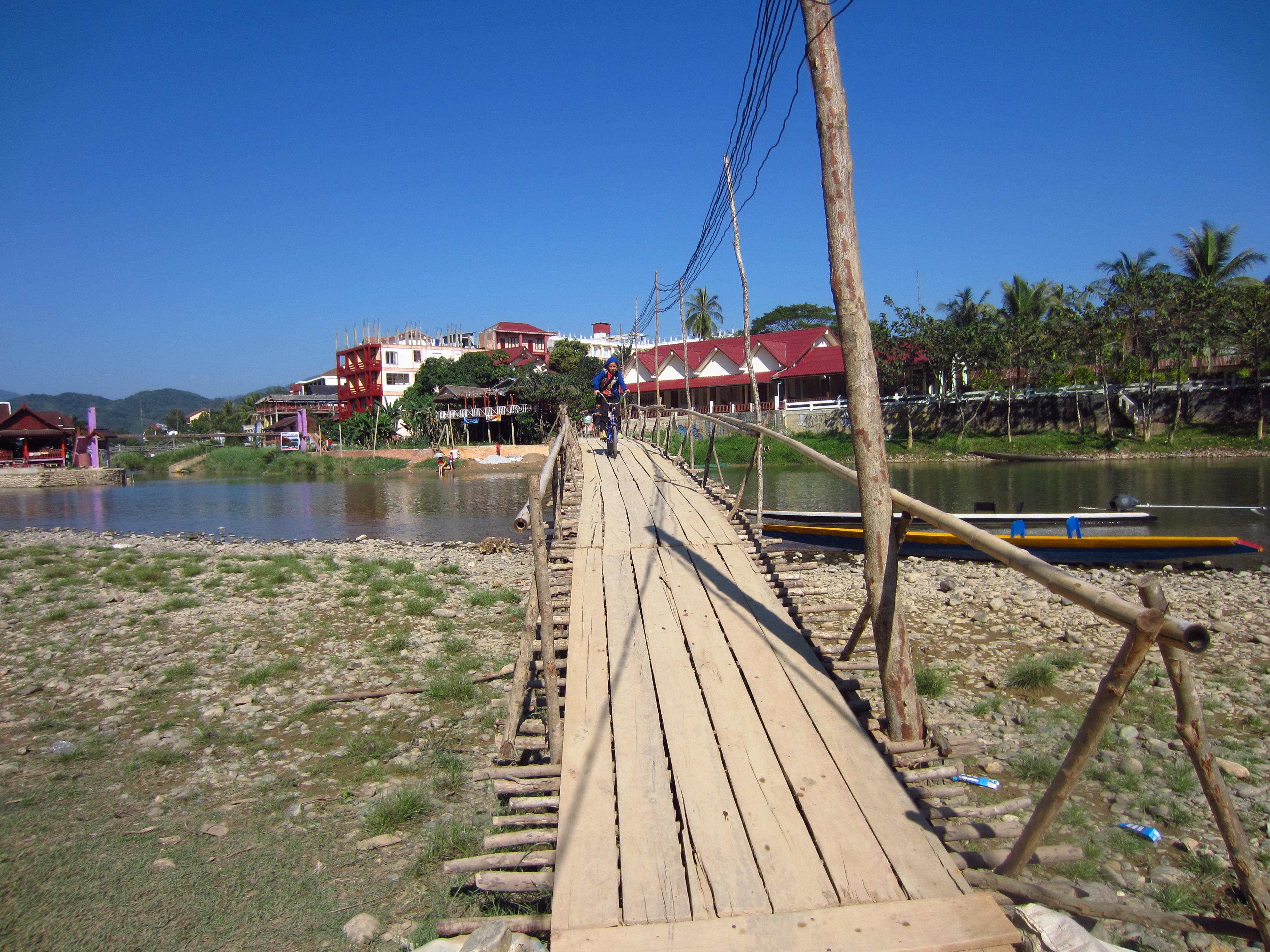
A typical Vang Vieng bridge that cost us money to cross on our motorbikes
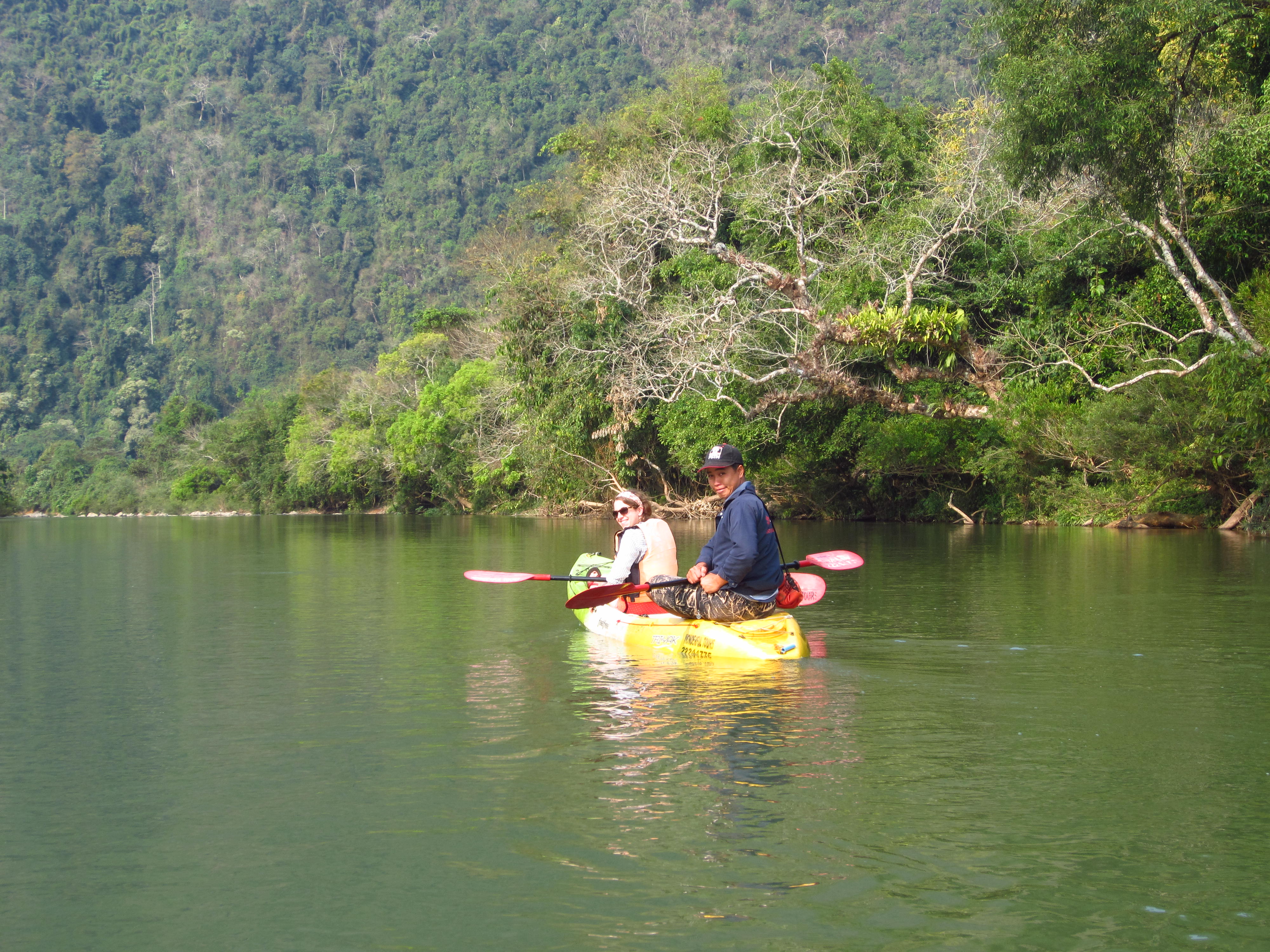
A morning kayak trip on the river in Vang VIeng
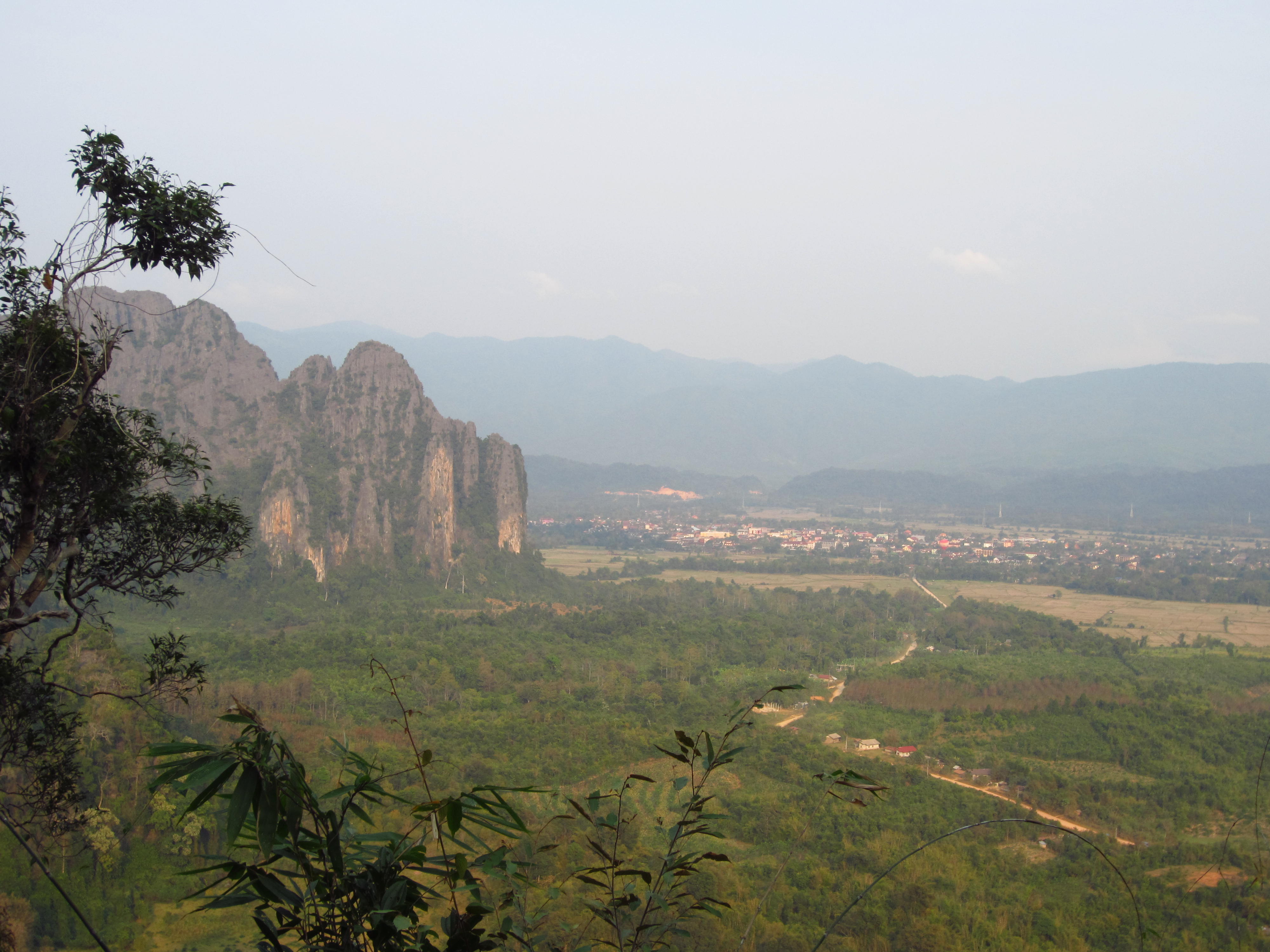
View of Vang Vieng from a local mountain
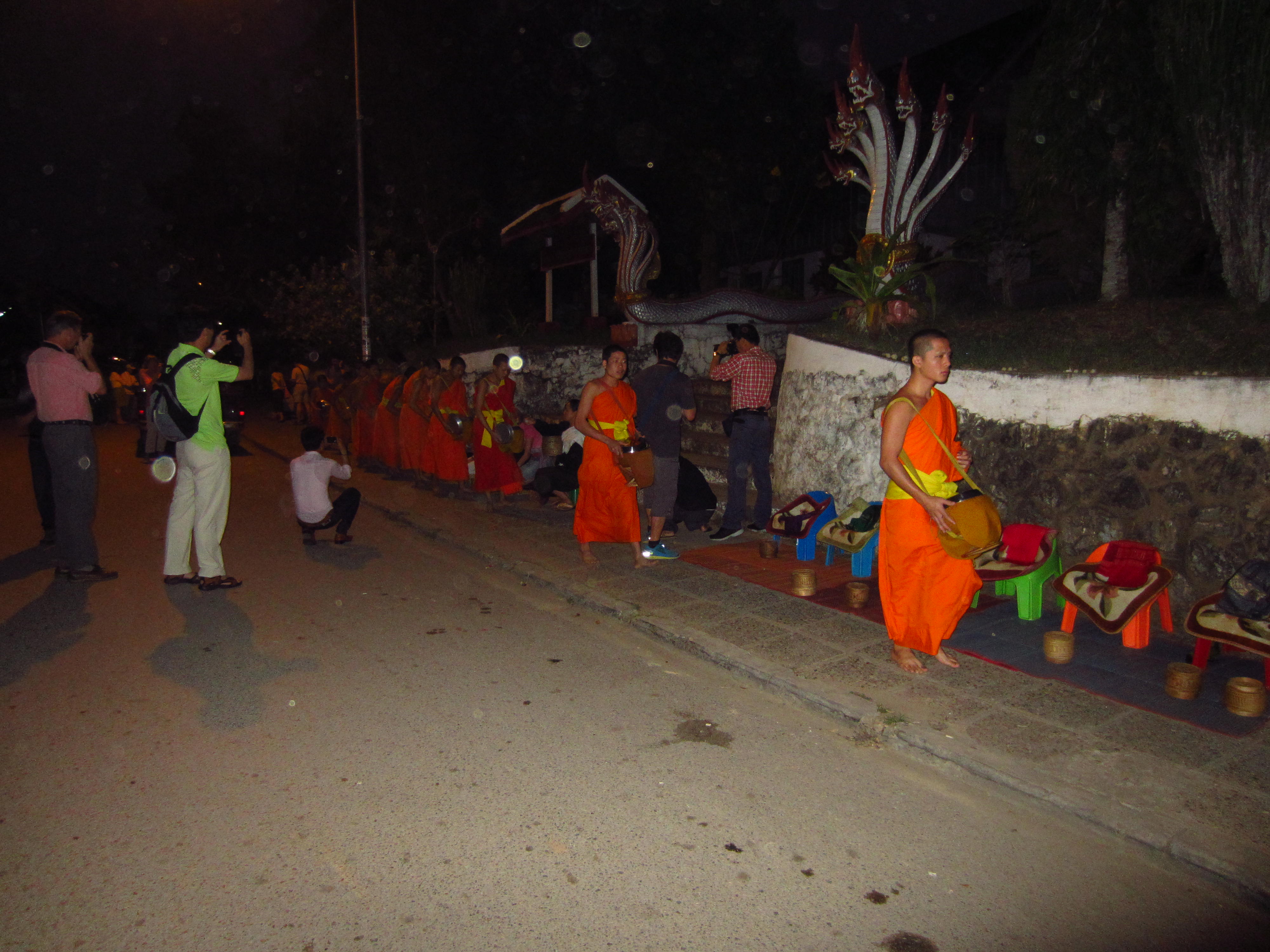
Morning Alms with the monks
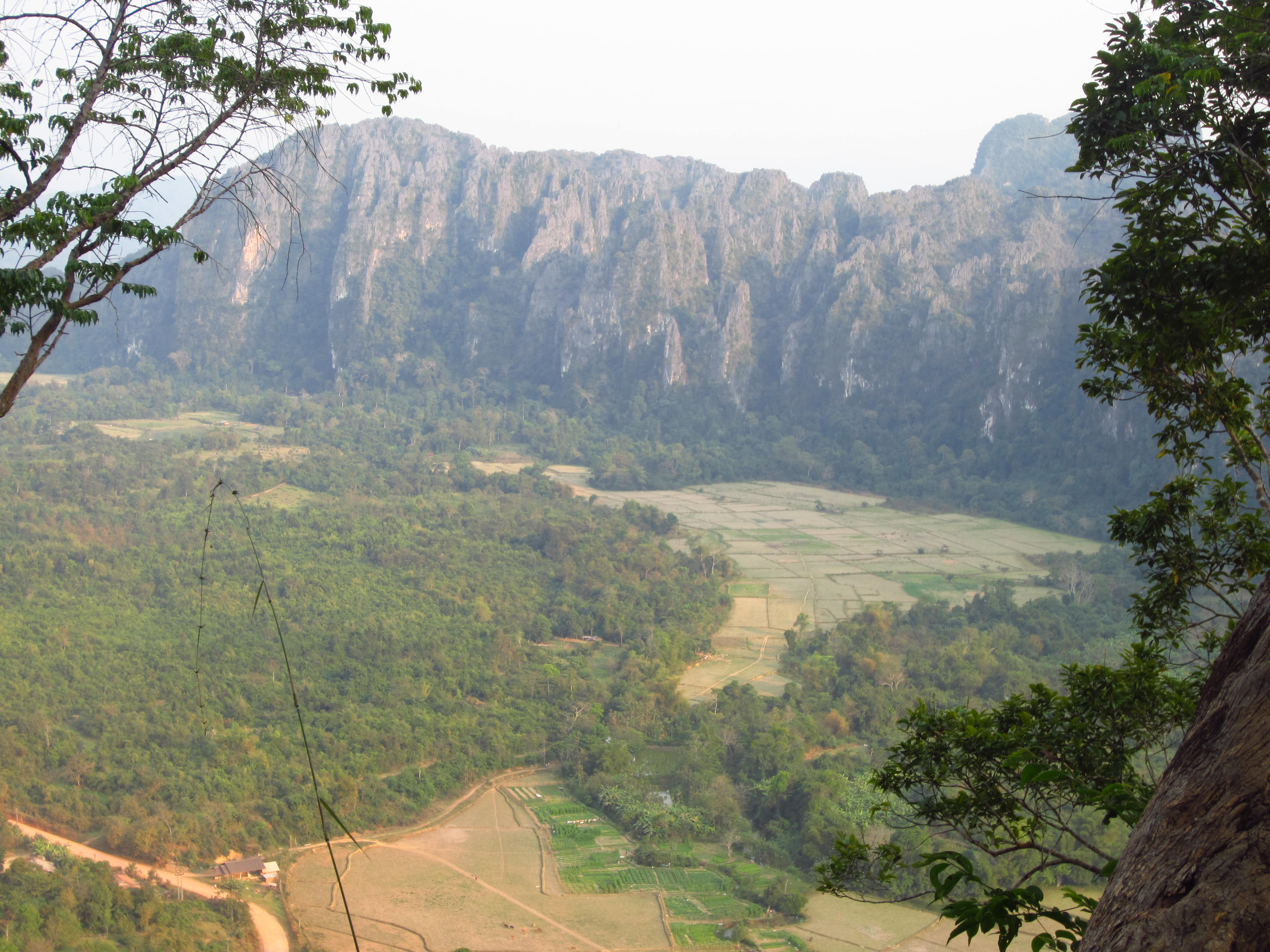
Vang Vieng view

Man carrying pigs down the street in Luang Prabang
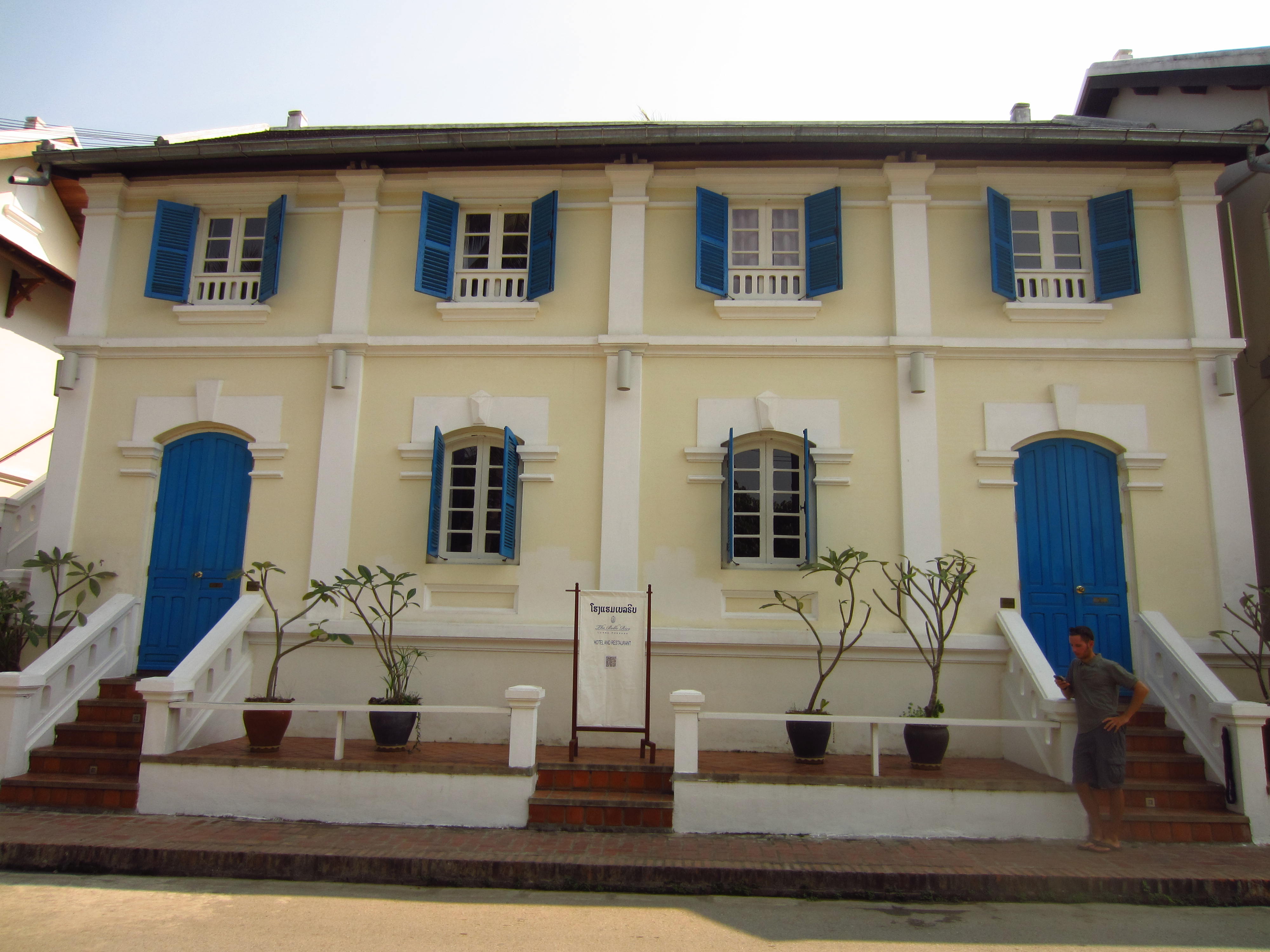
Luang Prabang architecture
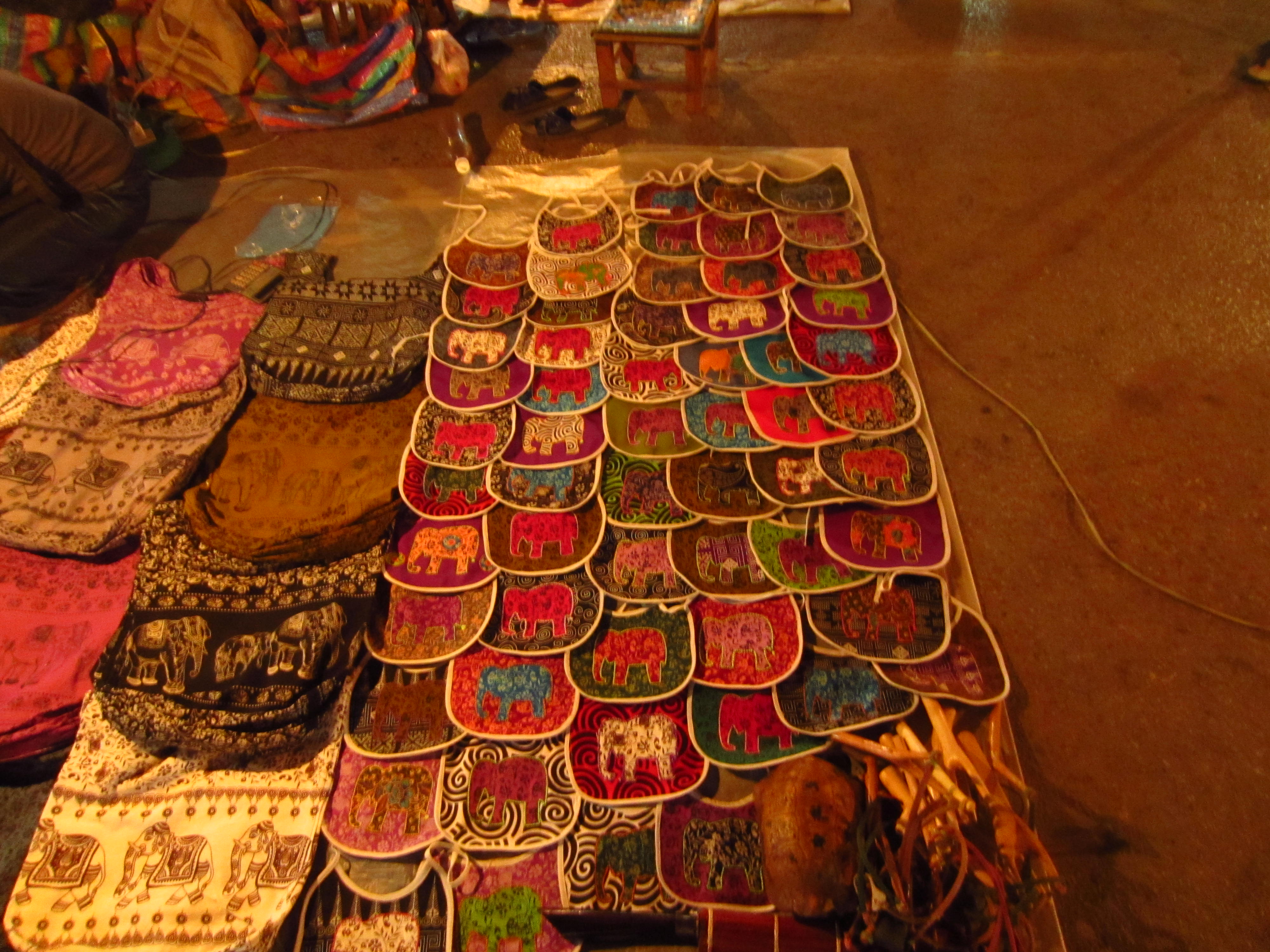
Luang Prabang night market (really wanted to buy bibs for all of my mommy friends)
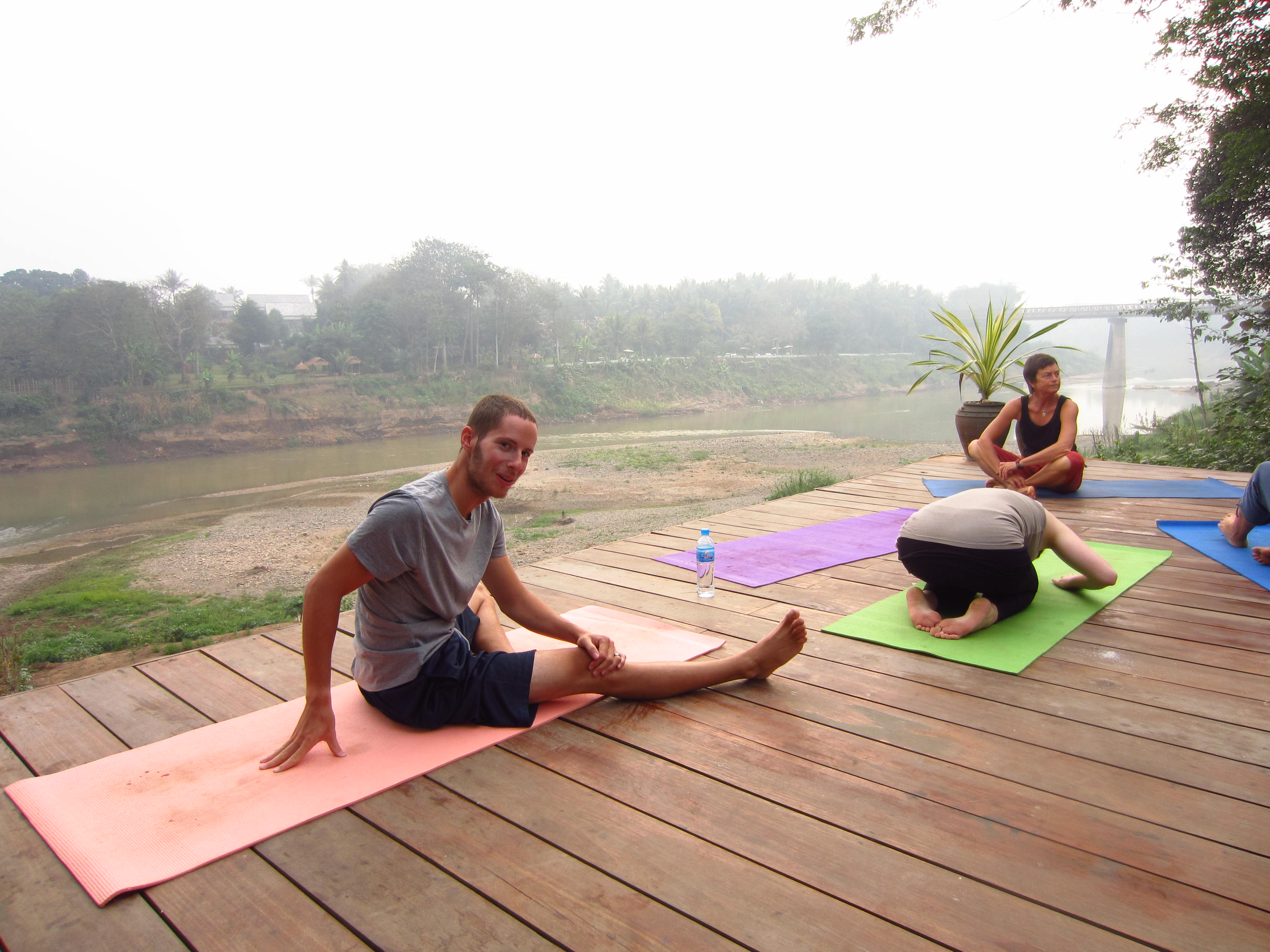
Morning yoga in Luang Prabang
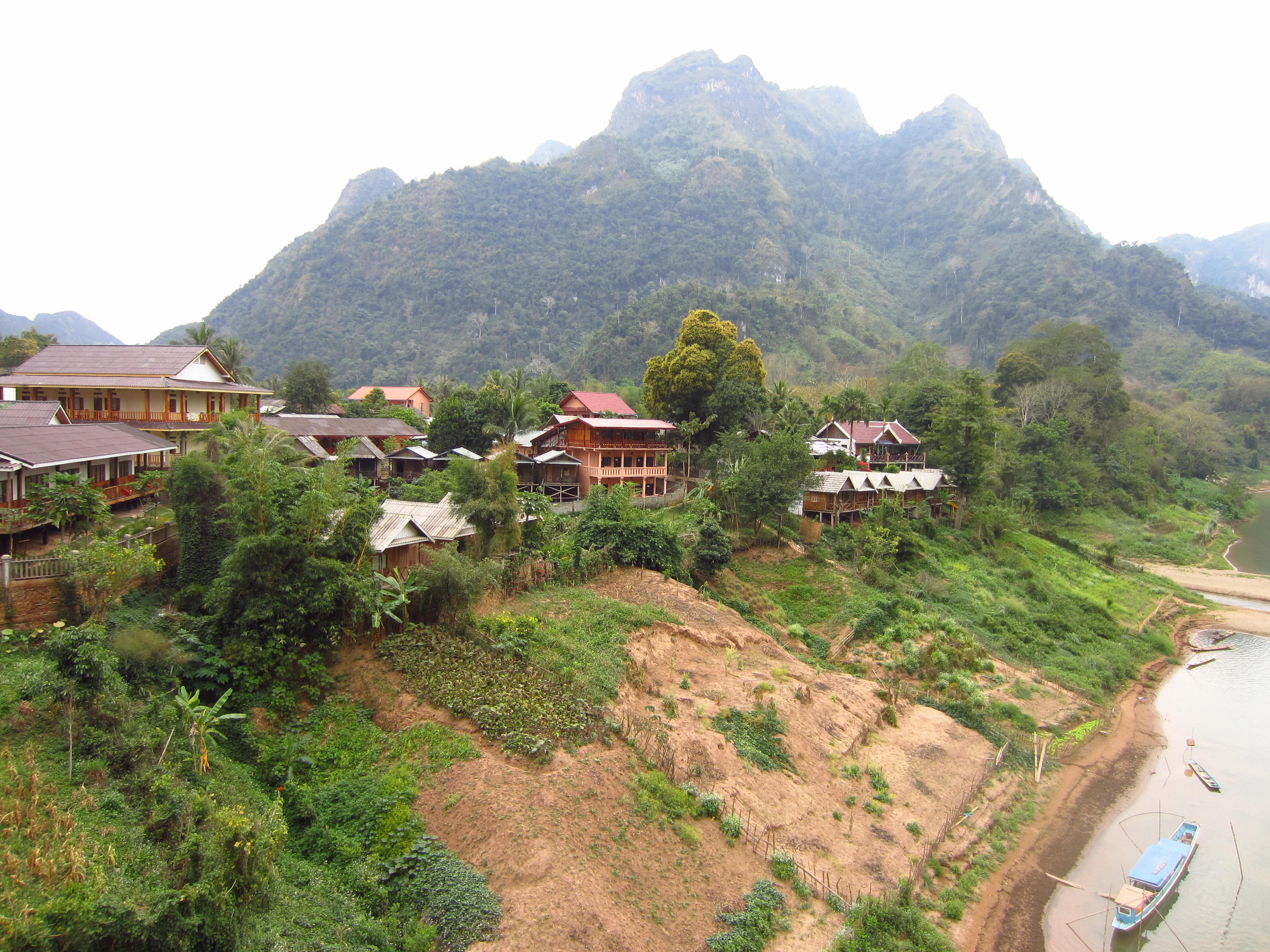
View of our “hotel” in Nong Khiaw
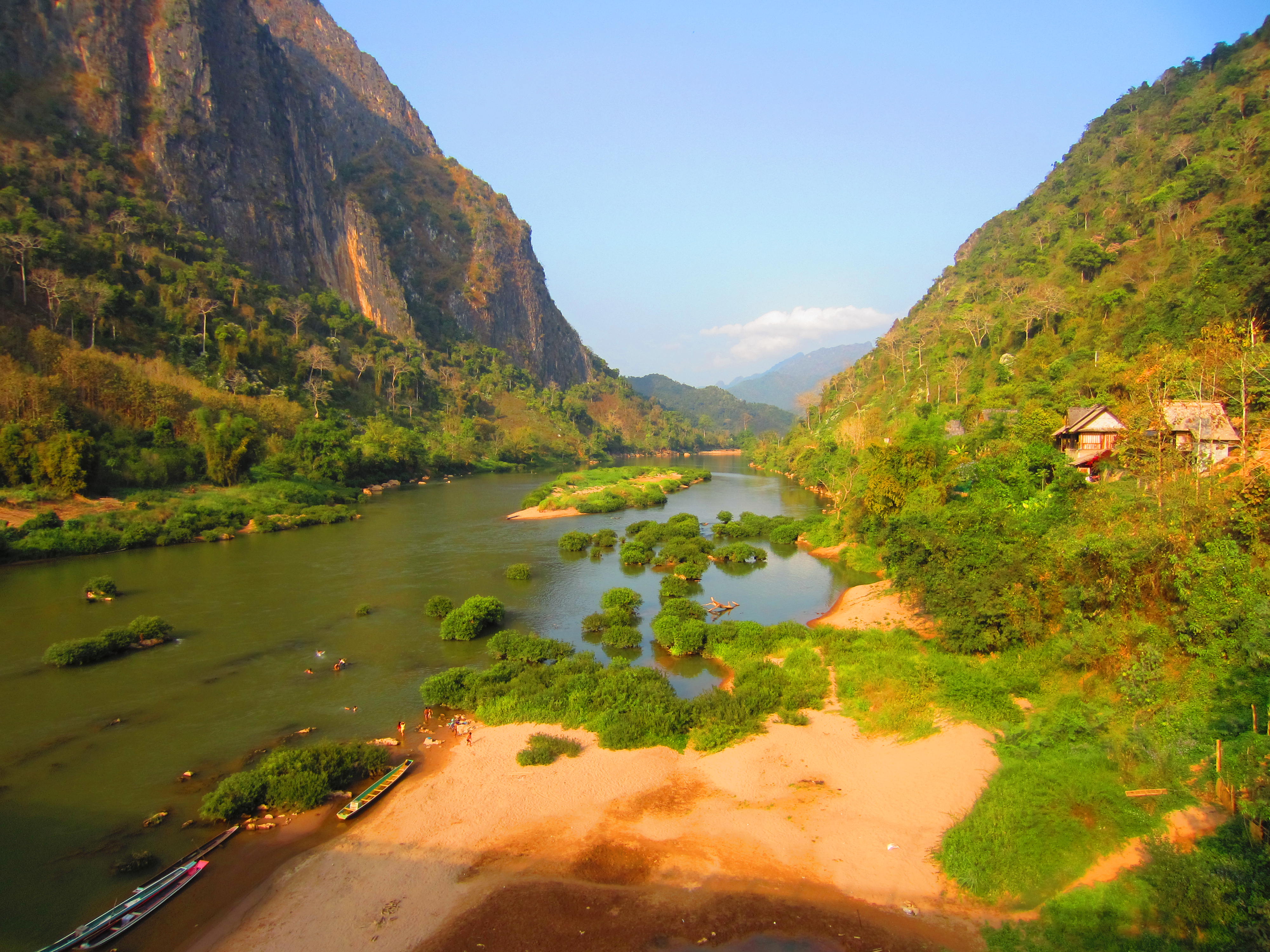
Nong Khiaw river

Local Lao cutie
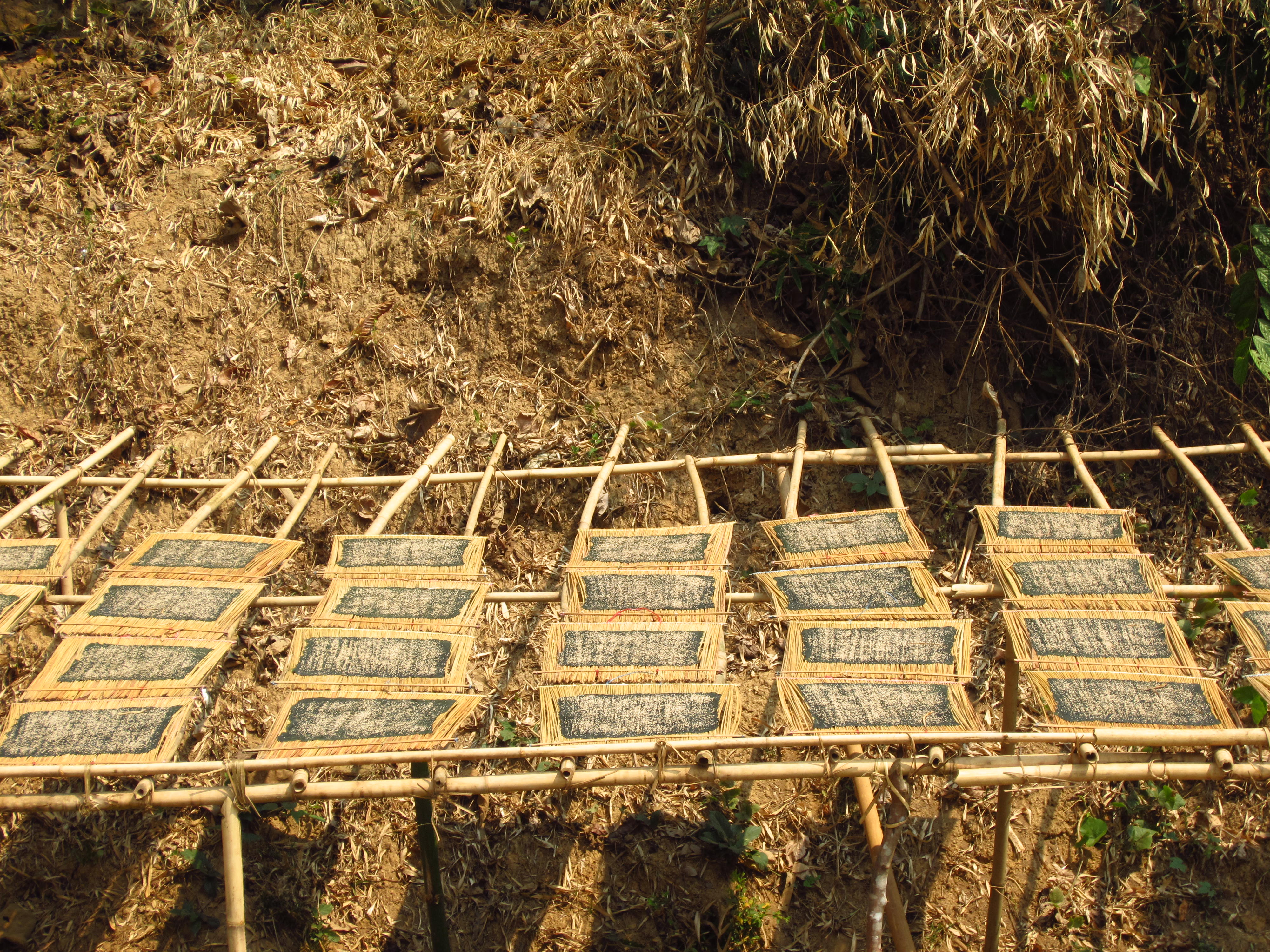
River seaweed drying on the side of the road

Multi-level cave used for hiding out during the war
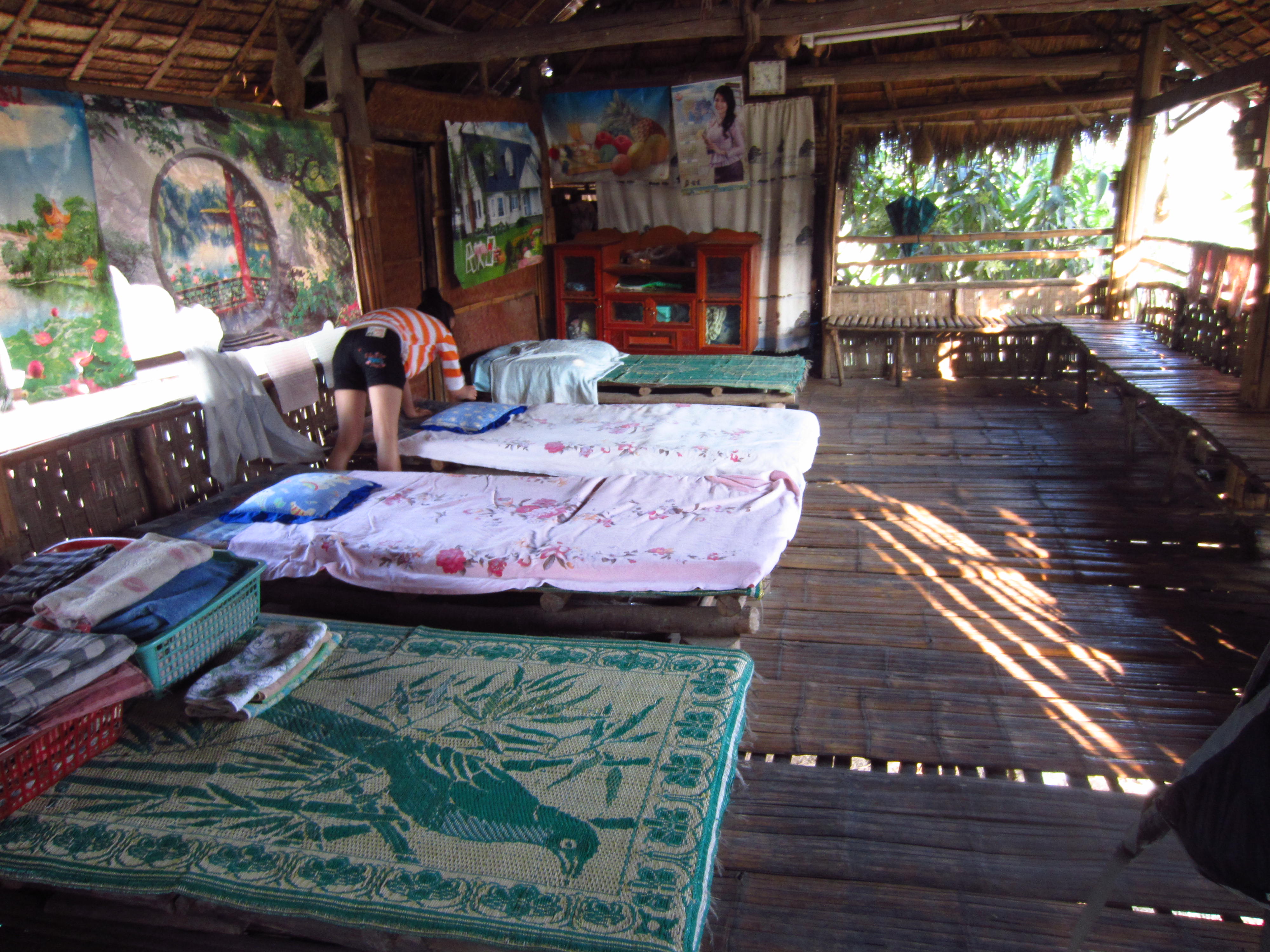
Local Lao massage and spa house
As we left the chaotic streets of Vietnam, we were pleasantly surprised with the laid back ambiance as we arrived in Laos (pronounced “Lao” – blame it on the French for an incorrect translation). While traversing from Vietnam to Laos was not the easiest border to cross (last minute flight anyone?), we immediately welcomed the relaxed vibe. While Laos is smack dab in the middle of SE Asia, it is far less congested than any other of its neighbors we’ve visited. Even in their largest city, Vientiane, it was possible to ride a bike without being mauled by a pack of motorbikes. We were able to enjoy simple pleasures such as walking down the sidewalks, bask in the absence of obsessive horn honking, while breathing in relatively fresh air and not wearing a facemask. The citizens of this beautiful country certainly abide by the mantra LPDR or Lao Please Don’t Rush and we followed suit. Without this saying, we would be panicking when our shuttle pick up is almost 45 minutes late or when making a simple sandwich takes 25 minutes. It goes without saying, if you are looking to get away from the hustle and bustle of Southeast Asia, escape to Laos.
Not only does Laos offer relative peace and quiet, it also offers an abundance of beautiful mountain landscapes and ecotourism activities. In the small town of Vang Vieng (formerly known for its raging river and tubing parties which were recently shut down due to alcohol and drug fueled fatalities), we were able to enjoy cave tubing, kayaking, hiking and riding motorbikes through the small countryside villages. Vang Vieng finds itself in the midst of a transitional phase. While most (but not all) of the 20-something party crowd has moved on, there is a demographic shift of the type of visitor the town is attracting and most locals we spoke with seem just fine with it.
Each town we visited in Laos offered us a different way to relax. In Luang Prabang, we were able to roam the French inspired streets, viewing UNESCO world heritage sites and watching monks live within the cities temples. In Nong Khiaw, we were able to ride bikes to caves and unwind with a beer overlooking the river and limestone cliffs. In Luang Namtha, we viewed a waterfall and a stupa on our motorbikes as well as a local massage “shack” and steam bath. Our time in Laos was short but certainly sweet and if and when we return, we hope to further explore this very magical country.
Side conversation: Proud to be an American???
Lao, Cambodia and Vietnam … the conglomerate of countries that was once known as French Indochina up until 1954. All of these countries have a common denominator and as an American citizen it is not one that we have enjoyed learning about. While the US was understandably terrified of the spread of Communism in the region (and further abroad), the damage that was inflicted by the US on the people of these countries lives on 35 years after the Vietnam (American) war ended. While the method and delivery of damage was different, the results were nearly always the same. In Vietnam, the use of Agent Orange has had a lasting impact on the countries youth, causing hideous and complicated birth defects to children born to the parents who were exposed to the chemicals. In Cambodia, the US blanketed areas of the country with millions of land mines, many of which were never detonated during the war. Since the war ended, thousands of Cambodians have lost their lives from accidentally triggering unexploded mines as they walk/farm/clear the land. In Laos, the story is less known, but the results are quite similar. In the 1970’s, the CIA led “Secret War” blanketed parts of Laos with millions of bombs. Unfortunately, nearly 35% of the bombs never exploded and while children are well aware of the risks, they believe the potential to collect $1 USD from scrap metal is worth the risk. Sadly, many of them never make it back from the fields. The results are a high rate of amputees and death.
As we visit each country and their respective NGO’s, museums, and exhibits educating the tourists on these issues, it makes us wonder if the decision makers really understood the potential long term implications of their actions. Hind sight is always 20/20 and all we can hope for is that we have learned from our prior mishaps. Lastly, we should note that at no point in our trip across SE Asia have we ever felt uncomfortable or looked down upon for being American. In fact, the youth of these counties seem to view the “American War” as a sad part of their history, but history nonetheless. I sincerely doubt we would feel the same about us If we were in their shoes.
 wheresmyberger
Excellent commentary on the long term impact of war… any war. Vietnam was a particularly sad war, not only for those who fought in it, but in many respects.
Best article written yet! Love and miss you guys! Next time: more food shots 🙂
Your comments on the American war and the places you saw, brought it all back. Love your writing, and love you both. Gram and Peter