



As we found ourselves sipping fresh Chai tea and staring at the sacred Mount Arunachala from the wonderful outdoor veranda of our “villa” in Tiruvannamalai (Tiru), India, we thought this was as good a time as ever to reflect on our last three months in Southeast Asia (SEA). When we first arrived in Singapore back in early December, we were comforted by its cleanliness, seamless public transportation options and overall western vibe of the city. Looking back, I think Vancouver is almost as Asian as Singapore. Regardless, we never thought twice about the sanitary conditions of a restaurant or a bathroom or where we stepped on the sidewalk. It’s a pretty easy transition for a westerner, but the city lacked a certain vibrancy that we expected from the region. However, not long after leaving Singapore we realized that it was by no means an accurate depiction of what the rest of SEA would hold for us.
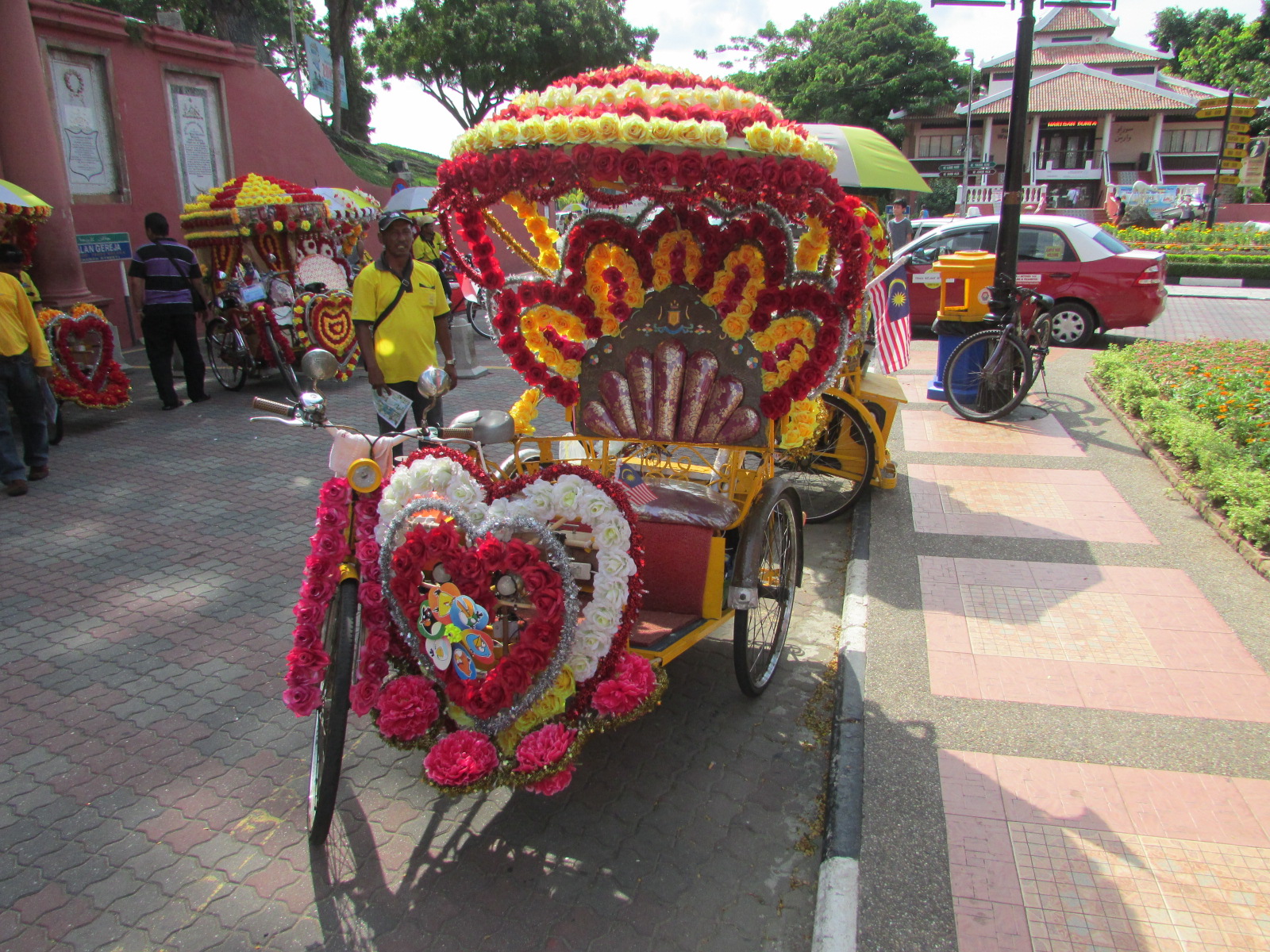
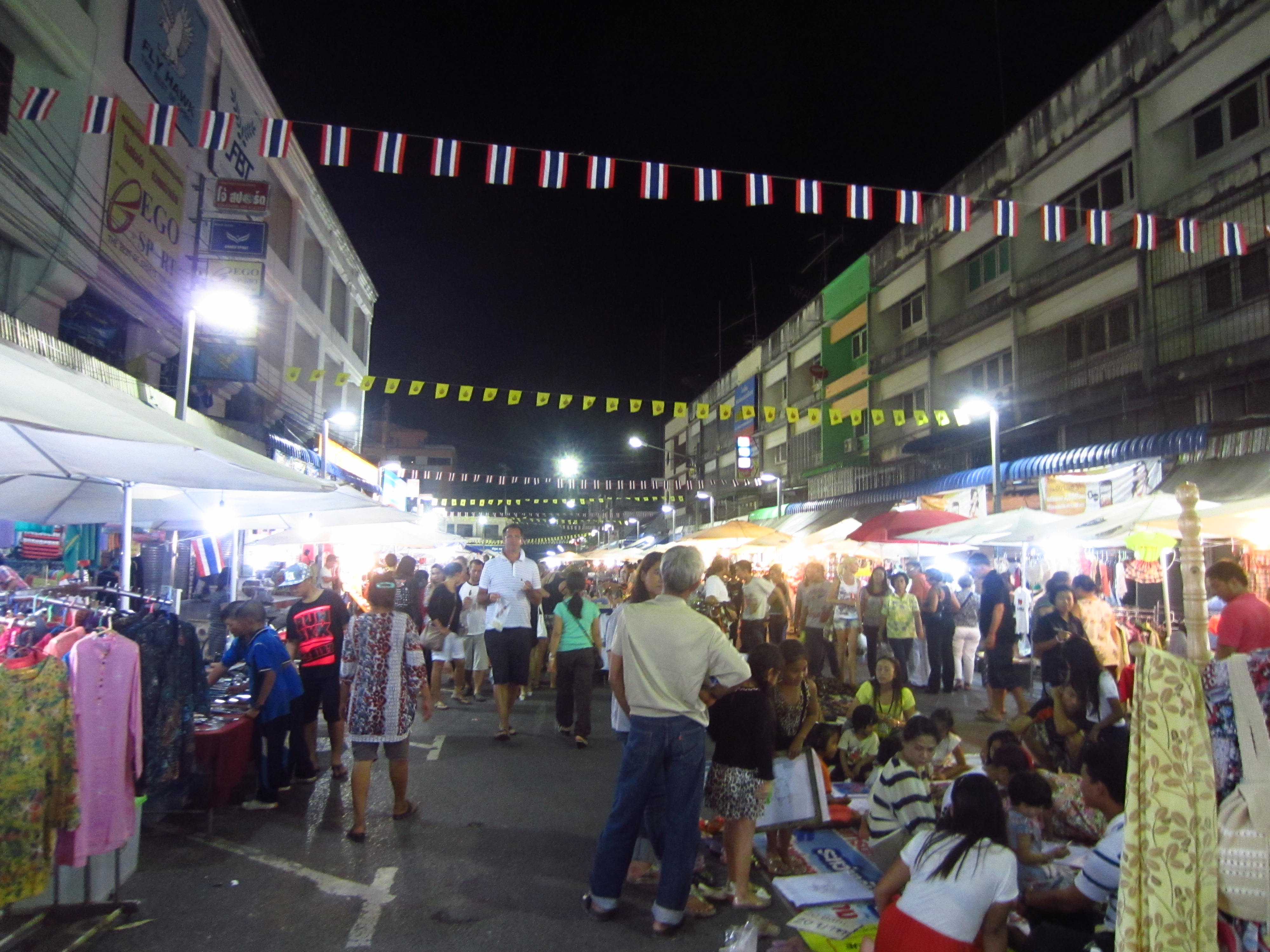
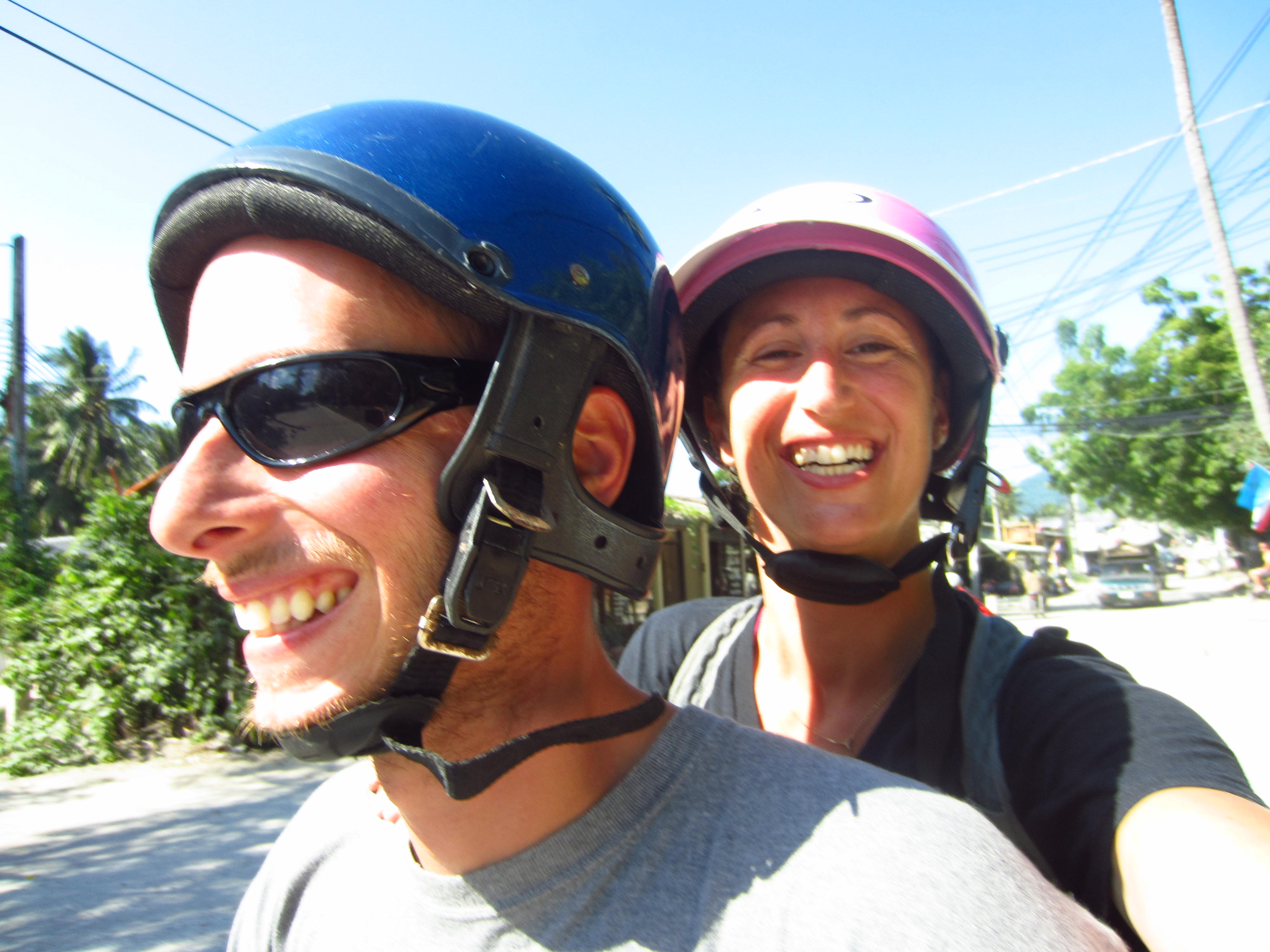
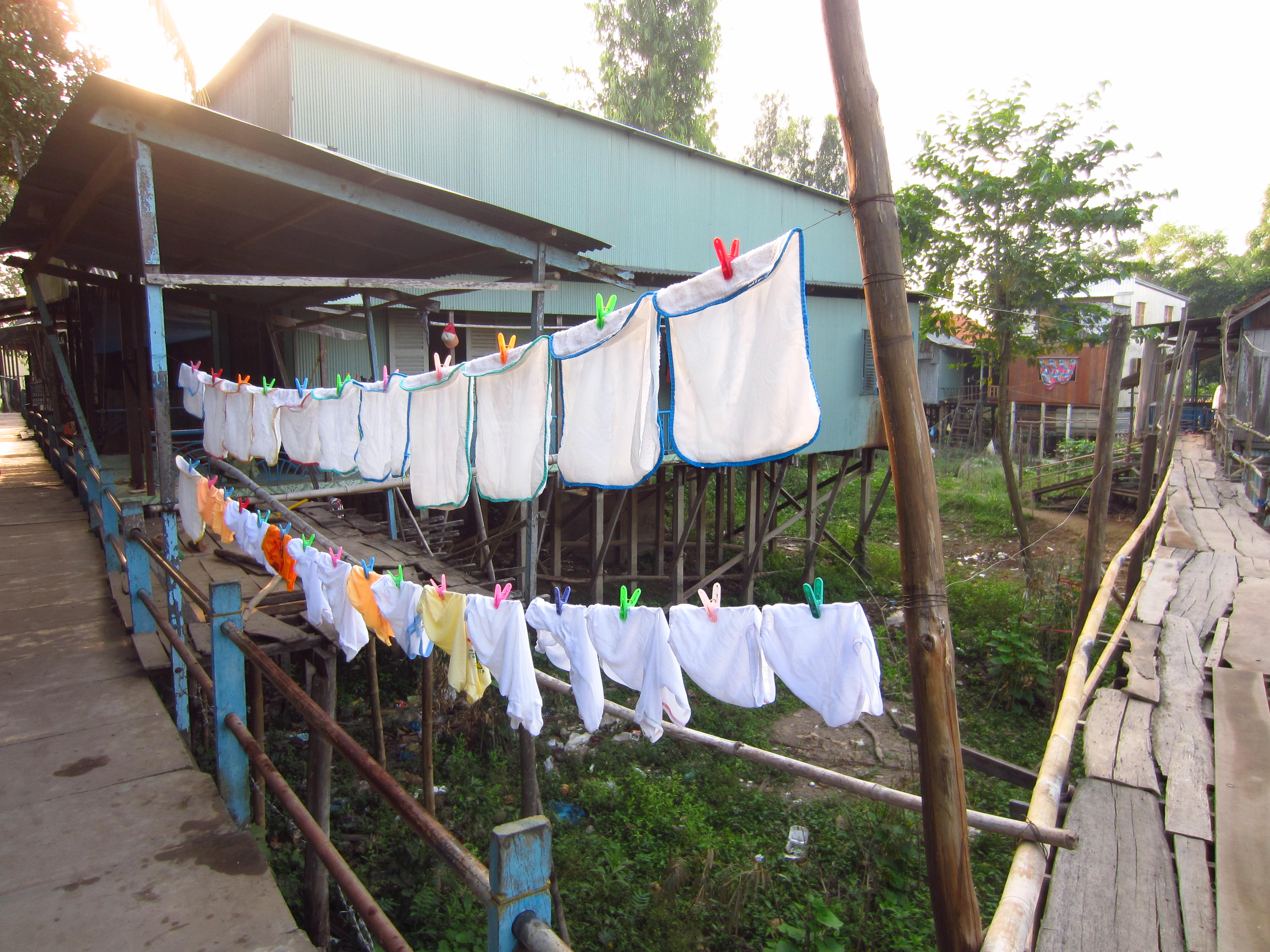
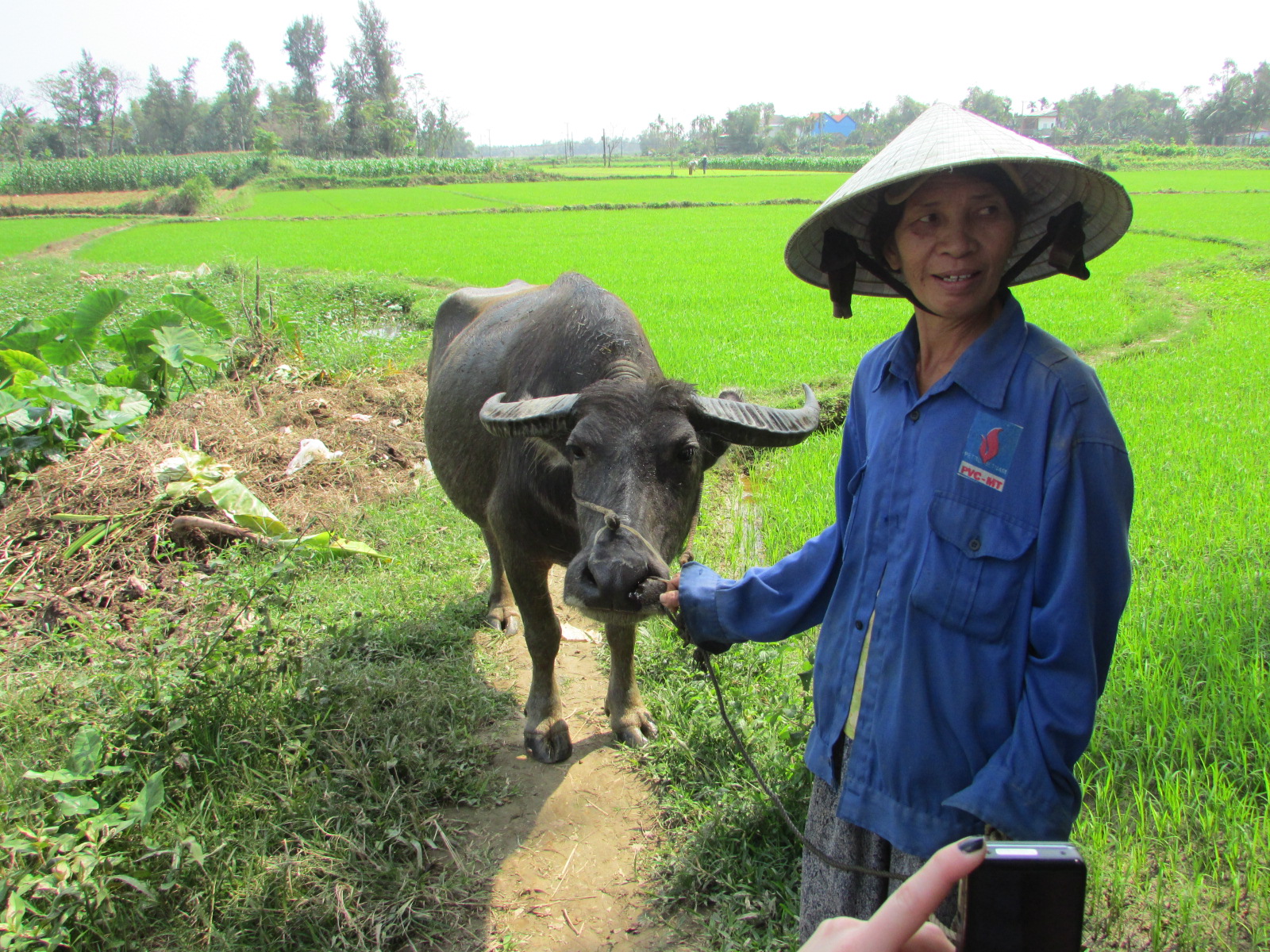
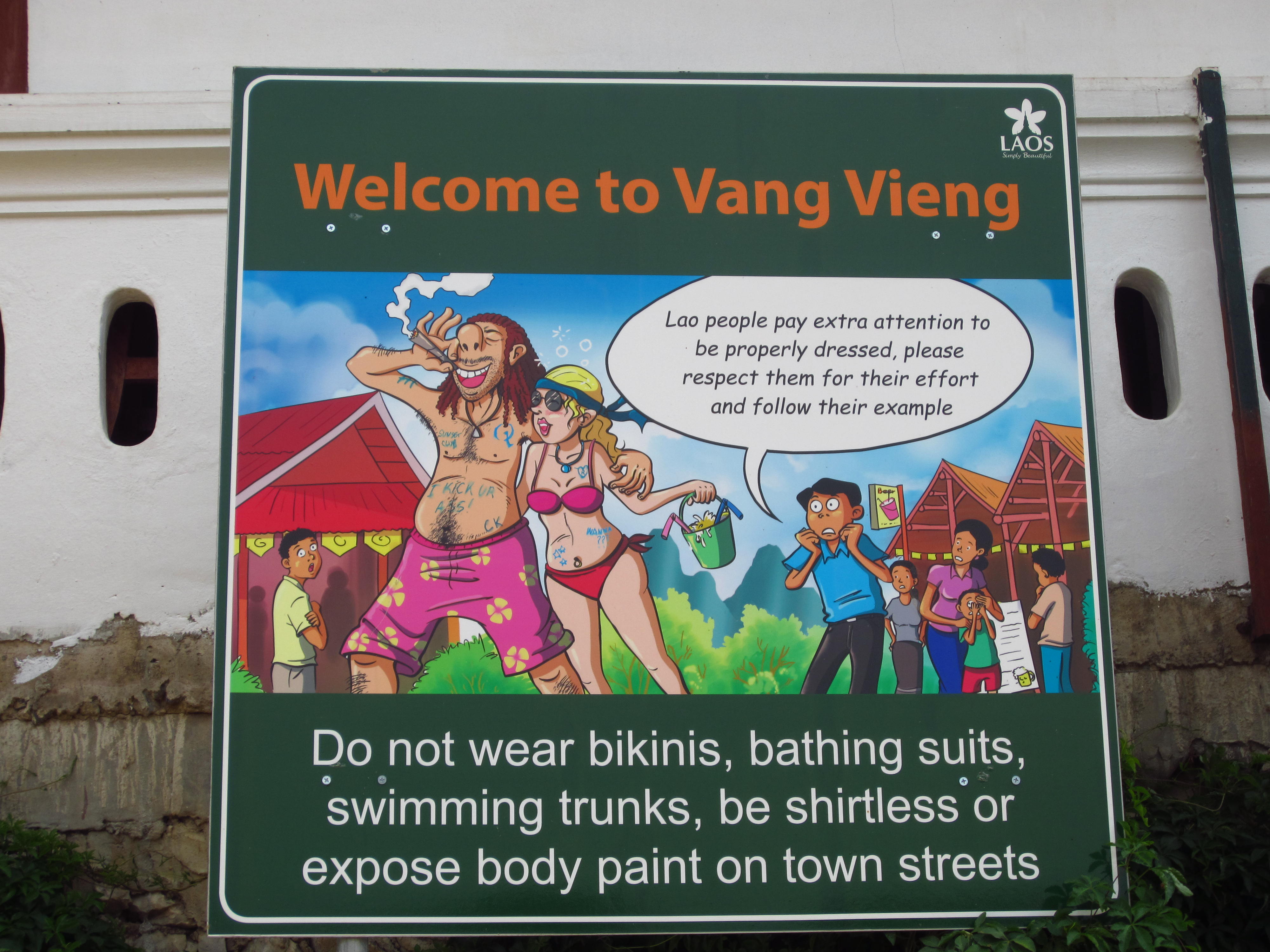
When we arrived in Malaysia, it didn’t take long for that “vibrancy” to slap us in the face. With our first dose of chaos and congestion, we found ourselves a little wearier about where we ate and the cleanliness of food. As we looked back at the Langkawi blog post, I saw a picture of a dilapidated sidewalk and how we thought at the time that was something of interest. After three months on the road, we are more than thrilled when we actually find a sidewalk to walk down, never mind how dilapidated it is. There are a few other “abnormalities” that you simply realize are part of life here in SEA. It was here that we came across our first “wet shower” and the dreaded SEA bathroom stench. A wet shower is a bathroom with a shower nozzle, toilet and sink all in the same room with no separation of parts; therefore, when you shower the water gets the entire bathroom wet. A rather functional design for space constricted designers, but not the most convenient for people who enjoy dry feet. We also noticed throughout SEA the stench of sewage is prominent in many hotel bathrooms. When we arrived in Southern Thailand, we were confronted with the first sight of open trash burning. Most regions of SEA do not have the appropriate trash or sewer infrastructure in place; therefore, it’s quite common to smell fumes and see smoke throughout many cities and villages. We were also exposed to heavy doses of litter on the beaches, streets and restaurants due to lack of visible trash cans. In Cambodia, we were confronted with naked, shoeless children playing in garbage, men urinating in public on the streets, emaciated cattle roaming busy streets as well as the most uncleanly kitchens to date. When we arrived in Vietnam we had a pretty strong tolerance to most of the SEA qualities; however, we were now confronted with motorbikes, obsessive honking, facemasks, and loud music videos on public transportation. The major cities we visited in Vietnam seem to have more motorbikes than people and crossing the street through the parade of motorbikes should be a tourist attraction in itself, as it is nearly impossible. For the few lucky souls that do have four wheels, the drivers leave one hand on the horn and the other on the wheel. Even when taking an overnight bus, where sleeping should be attempted, it is nearly impossible unless you consider the horn a lullaby. Another constant on bus and van service is the wonderful music choices by the driver. Luckily, the drivers are also their own DJ’s and choose to play their choice of music as loud as they want, most often accompanied by music videos played out of tube TV’s attached to the front of the bus. This also goes for minivans that have attached a small TV over the rearview mirror, because who needs that anyway. The most unusual videos we have seen to date have been the 2013 Victoria Secret Fashion Show and well … Porn. Yes, one driver thought it was OK to play porn in the minibus on our five hour drive. Adena kindly asked him to turn it off, as he was paying more attention to the details of the video than the narrow and windy road. Speaking for minibuses, there is an appropriate number of seats a westerner expects to be filled and then there are the seats that the locals feel should be filled. Adding a small, plastic stool near the door of the van IS a paying customer’s seat, regardless of who you ask. Facemasks, whether indoors or outdoors are a must here. Due to the smoke from trash burning, fumes from motorbikes, and sewage smells, many of SEA’s inhabitants wear masks throughout the day. Of course, we also picked up some comic book themed masks and actually enjoy wearing them. Each country also has its own version of a makeshift scooter turned into public transportation. Most of the SEA countries call them tuk-tuks, and they vary slightly from country to country. There are also cyclos, a human powered tricycle with a small carriage in the front. Last but not least are the SEA pants. Whether you are here for a few days or a life time, westerners feel the need to wear loose fitting pants, with elastic wastes and ankles that have some version of elephants or tie dye on them. Strangely, I have not seen one local wearing the pants, but you are unable to walk down the streets without spotting a tourist wearing them. We have held our ground and not purchased a pair yet! Most of the items above were some of the “shockers” we came across on our three month journey. Most of the time we would just look at each other and exclaim “only in Southeast Asia” or “how is that legal?” and move on from it. Sometimes the region seems lawless and completely unregulated, a wild west of sorts. Five people on a motorbike anyone?
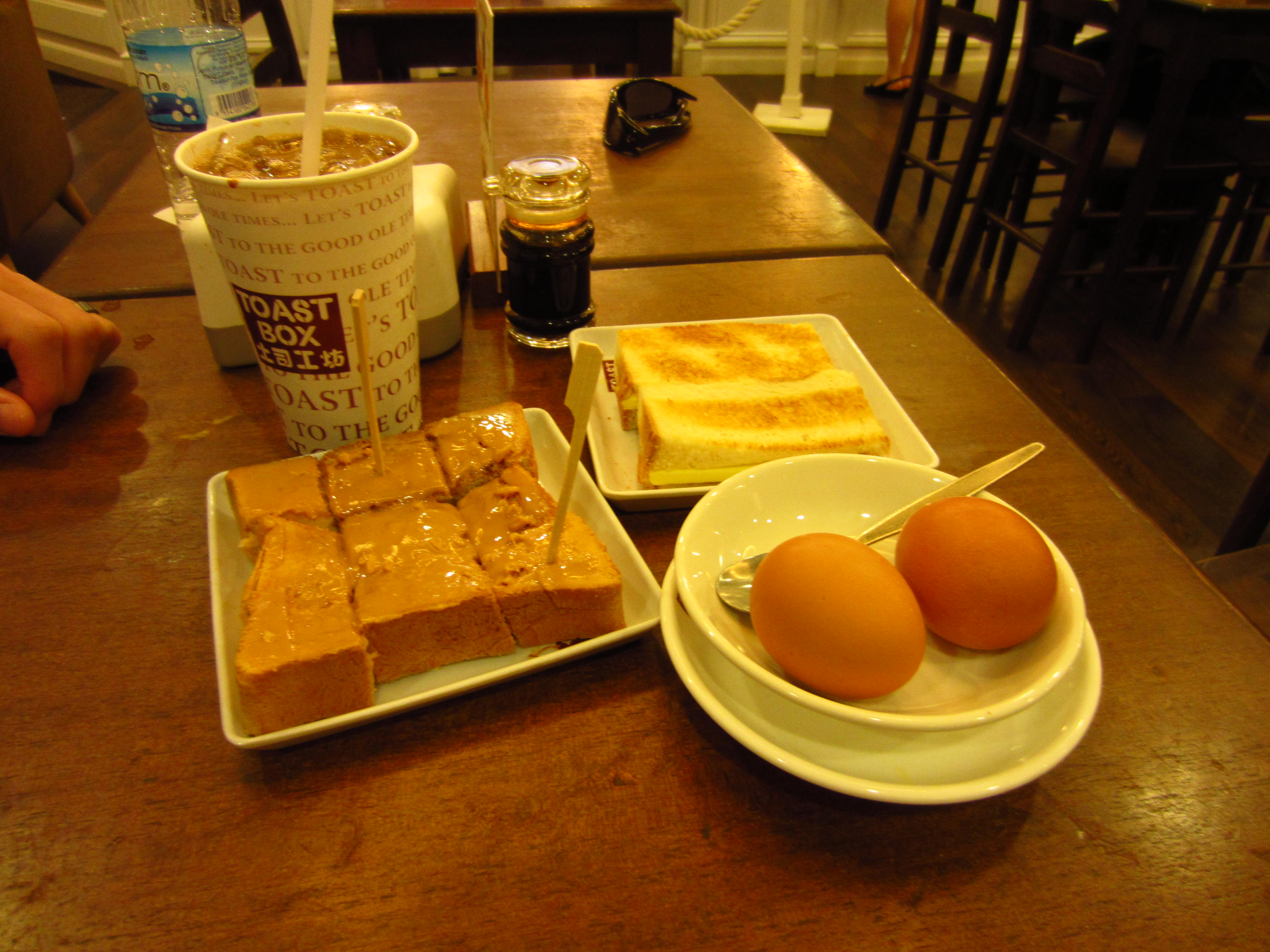
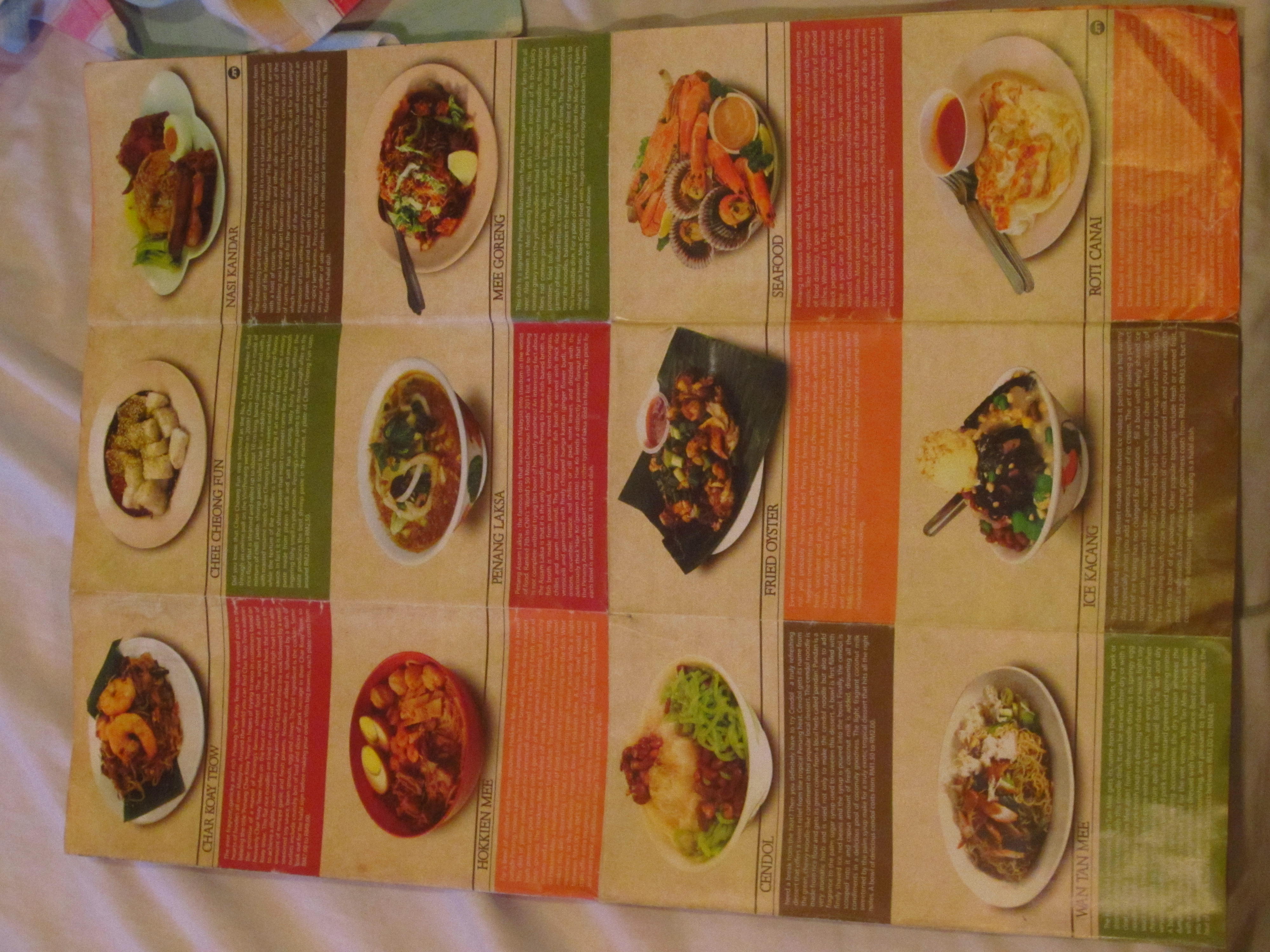
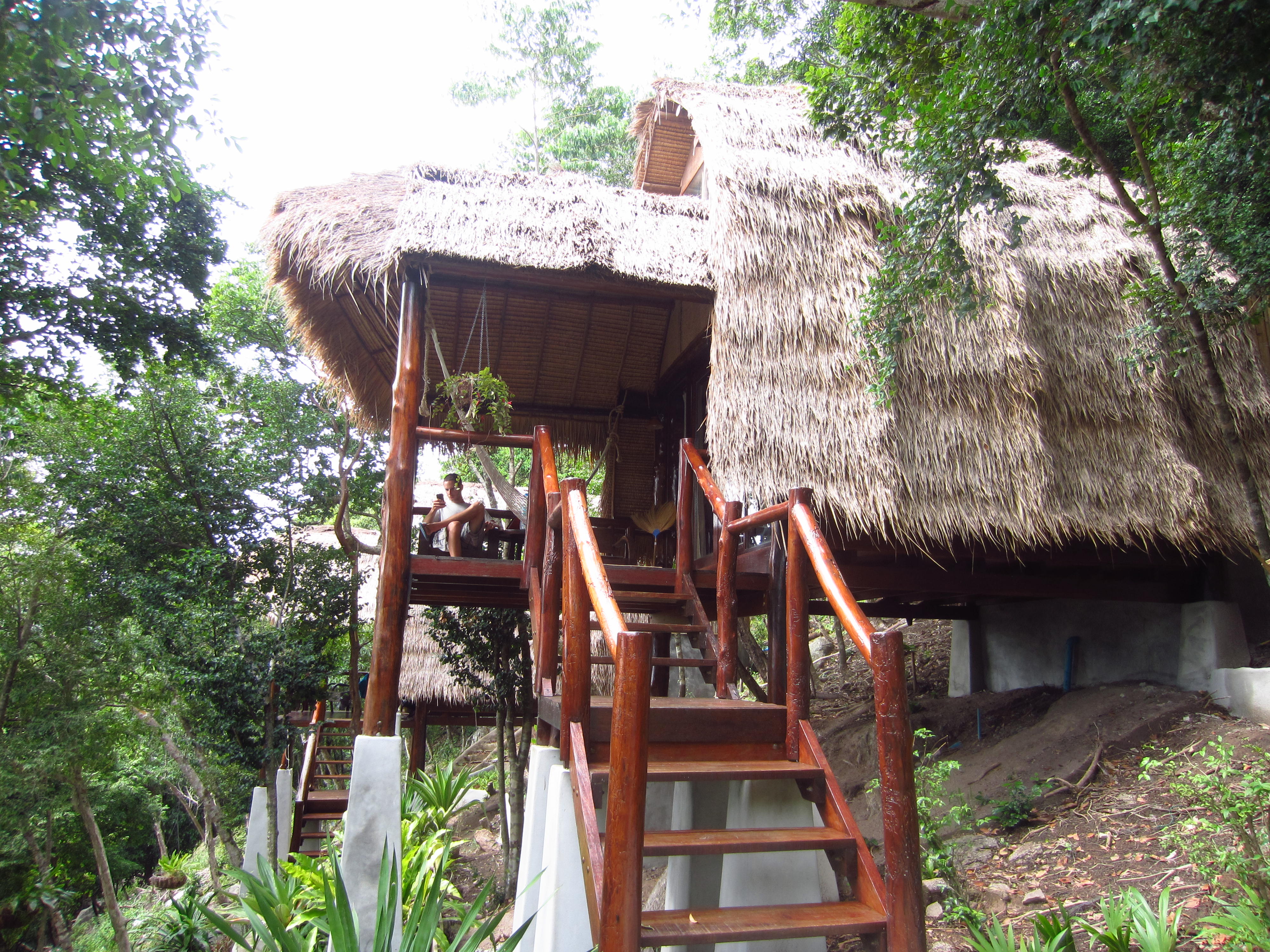
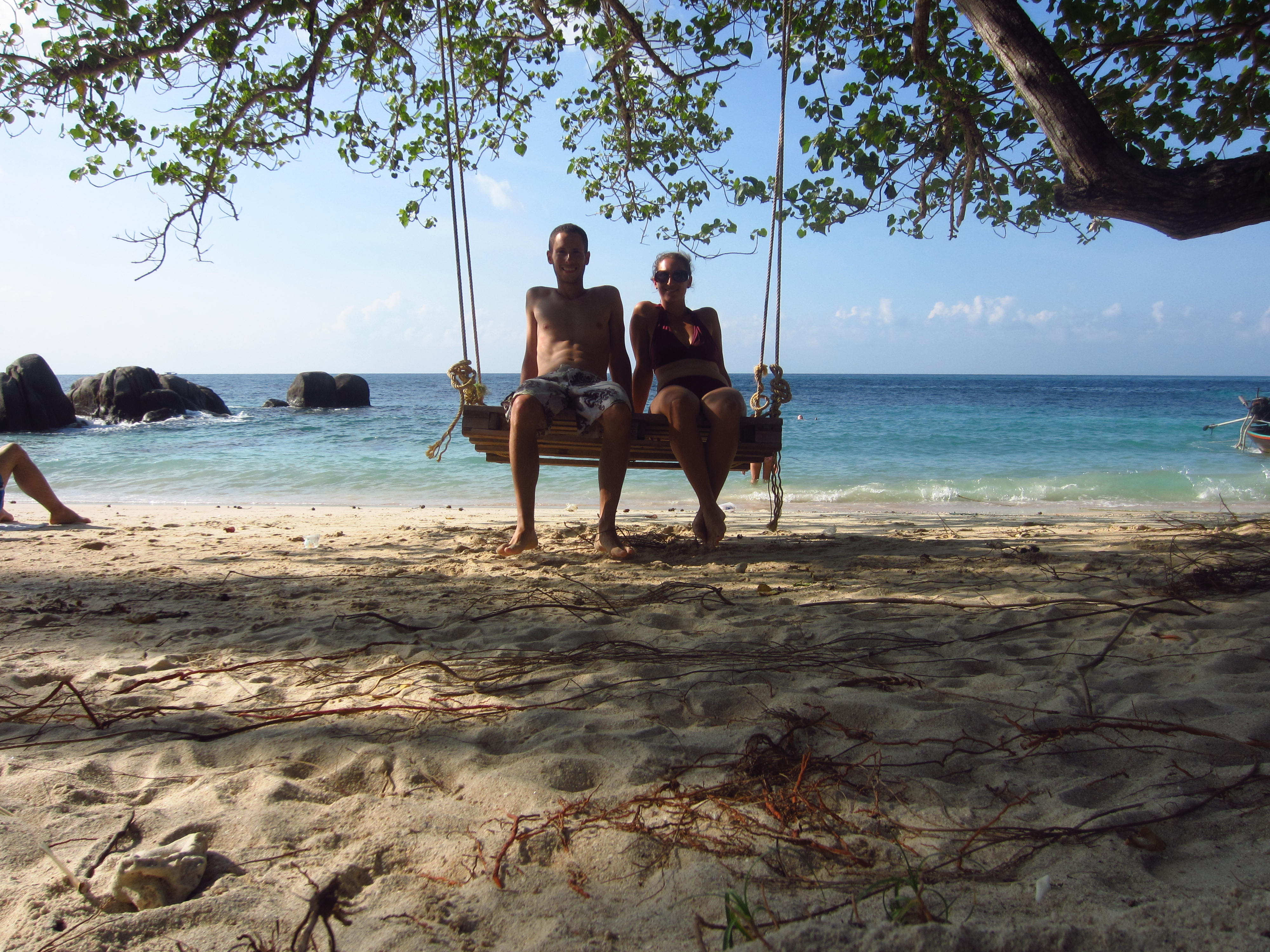
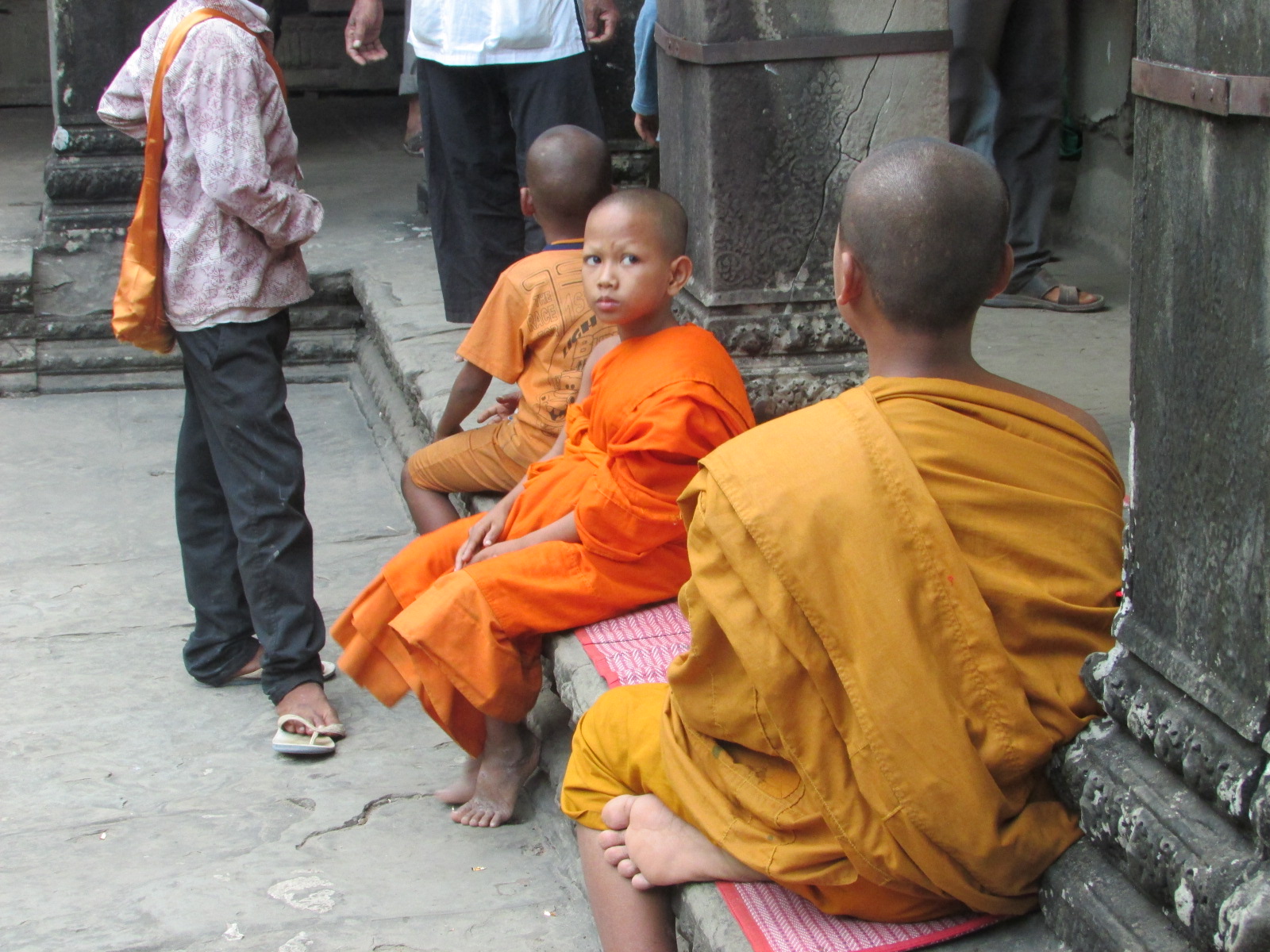
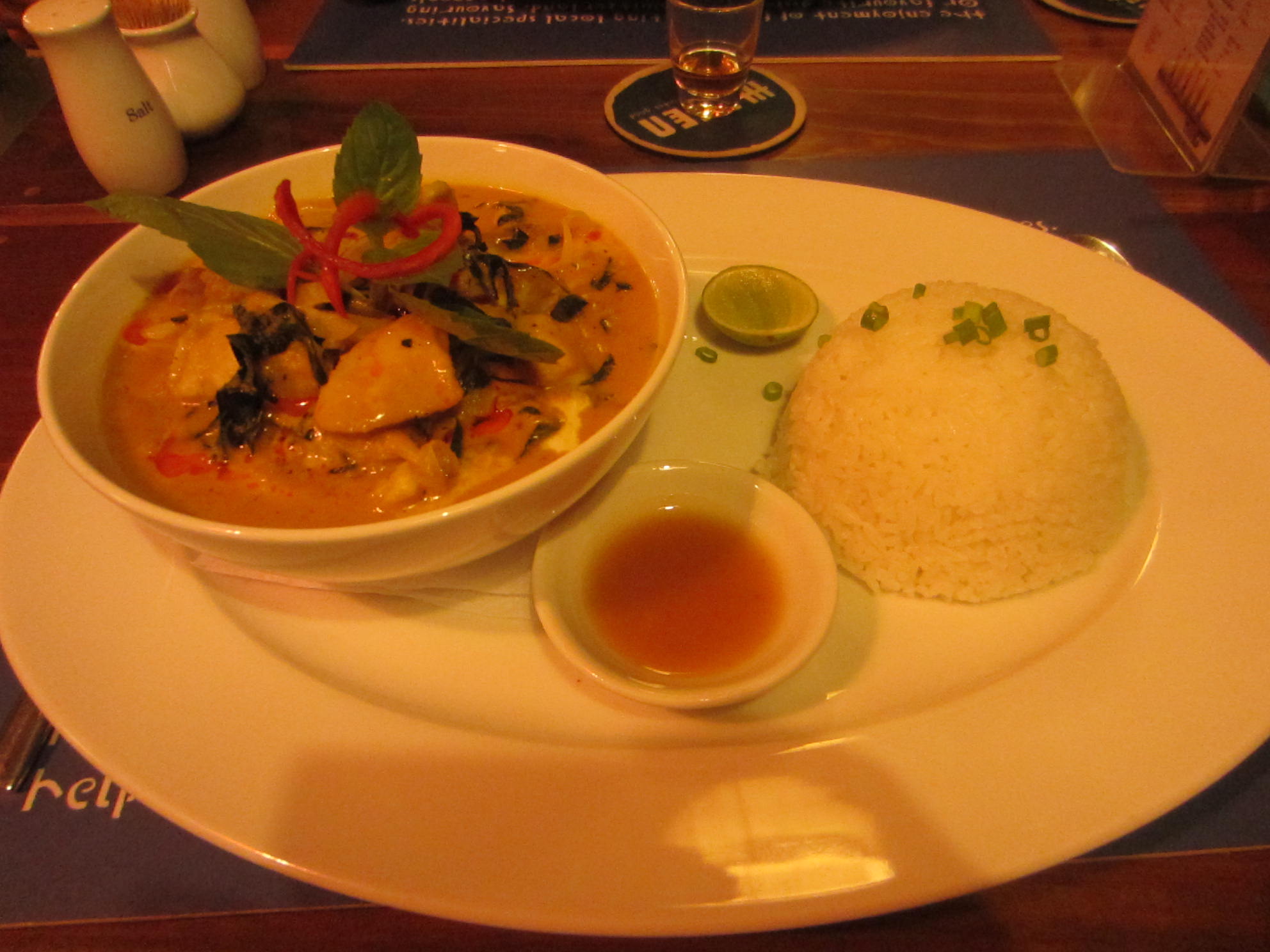
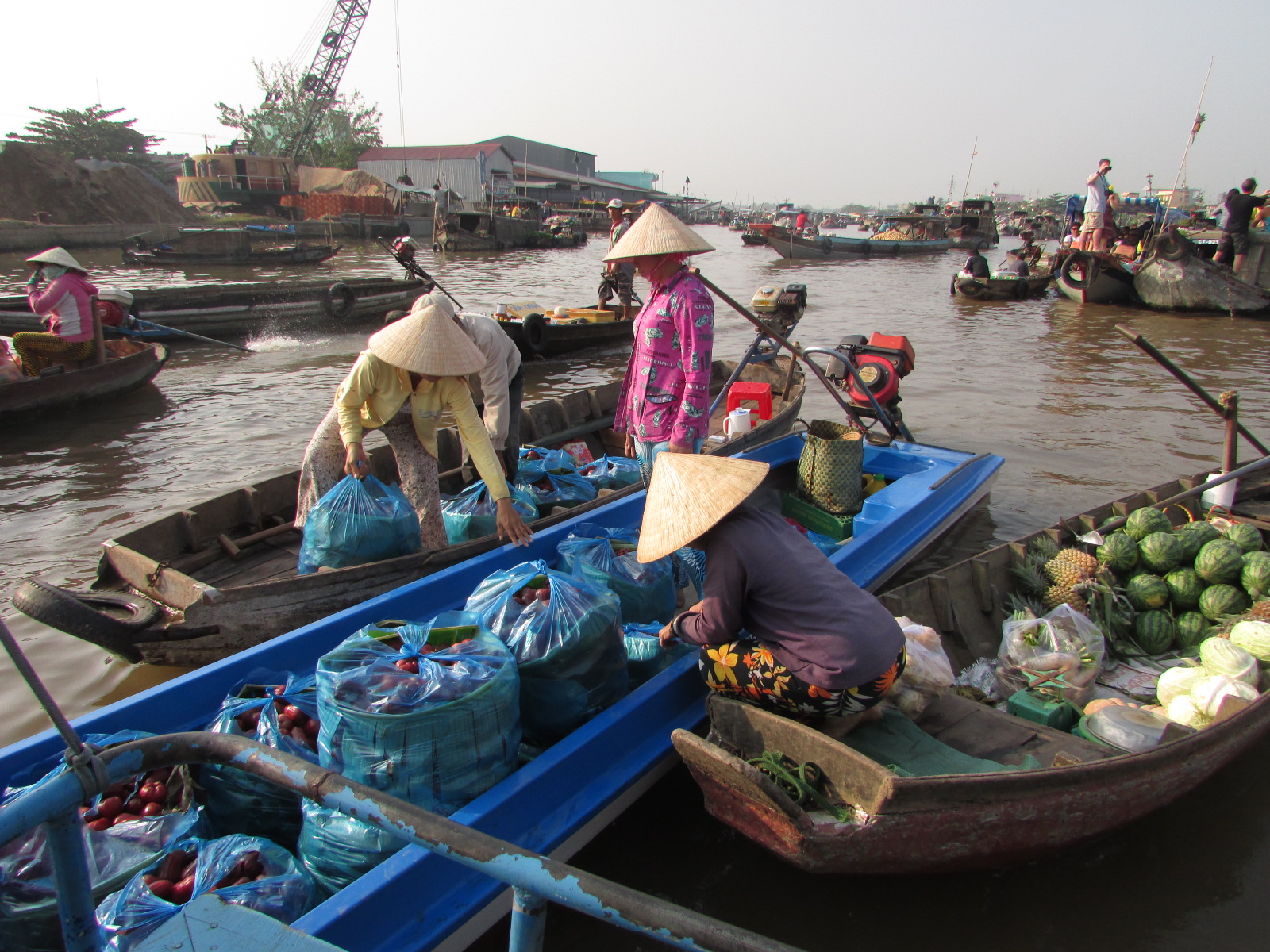
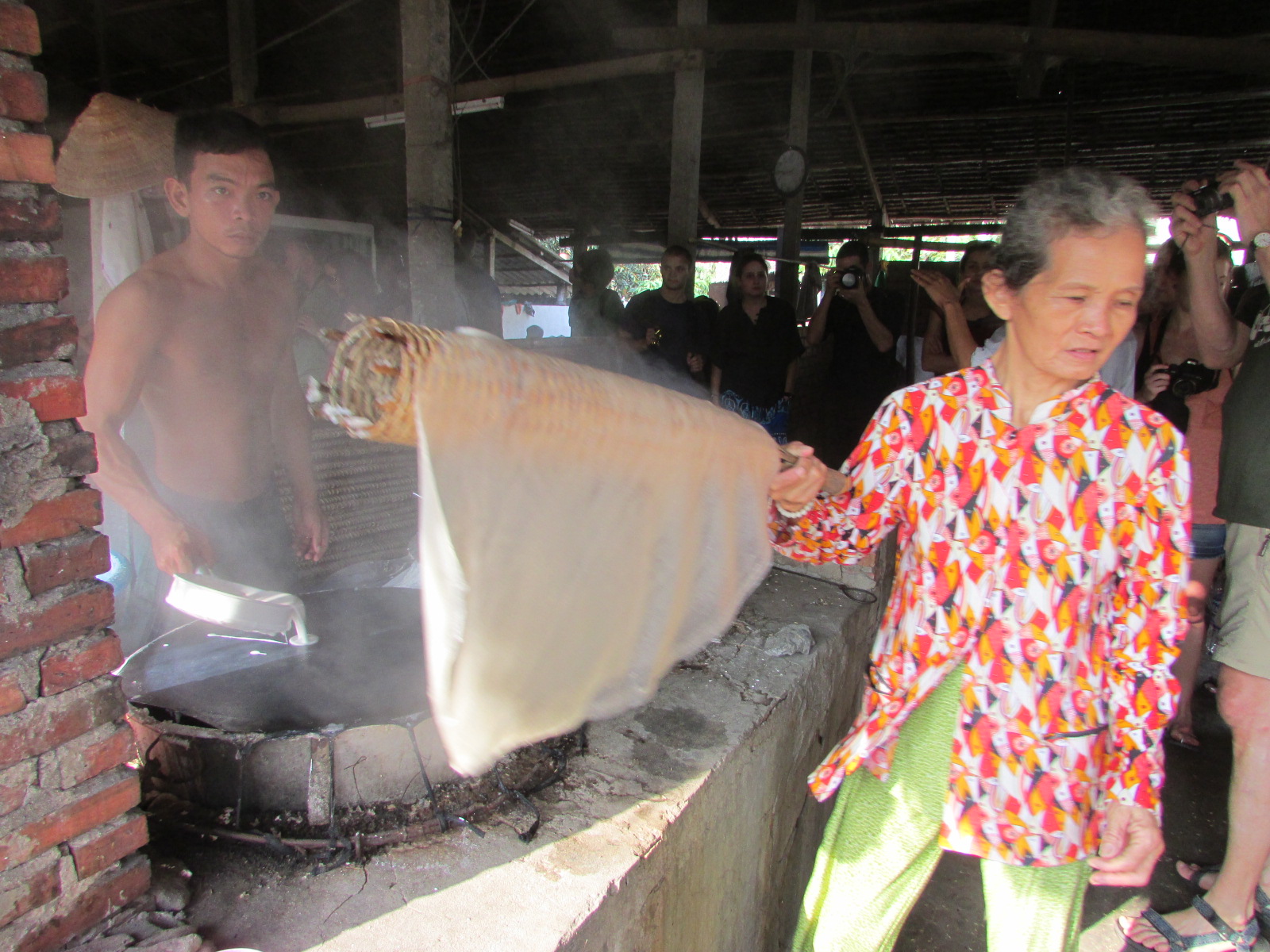
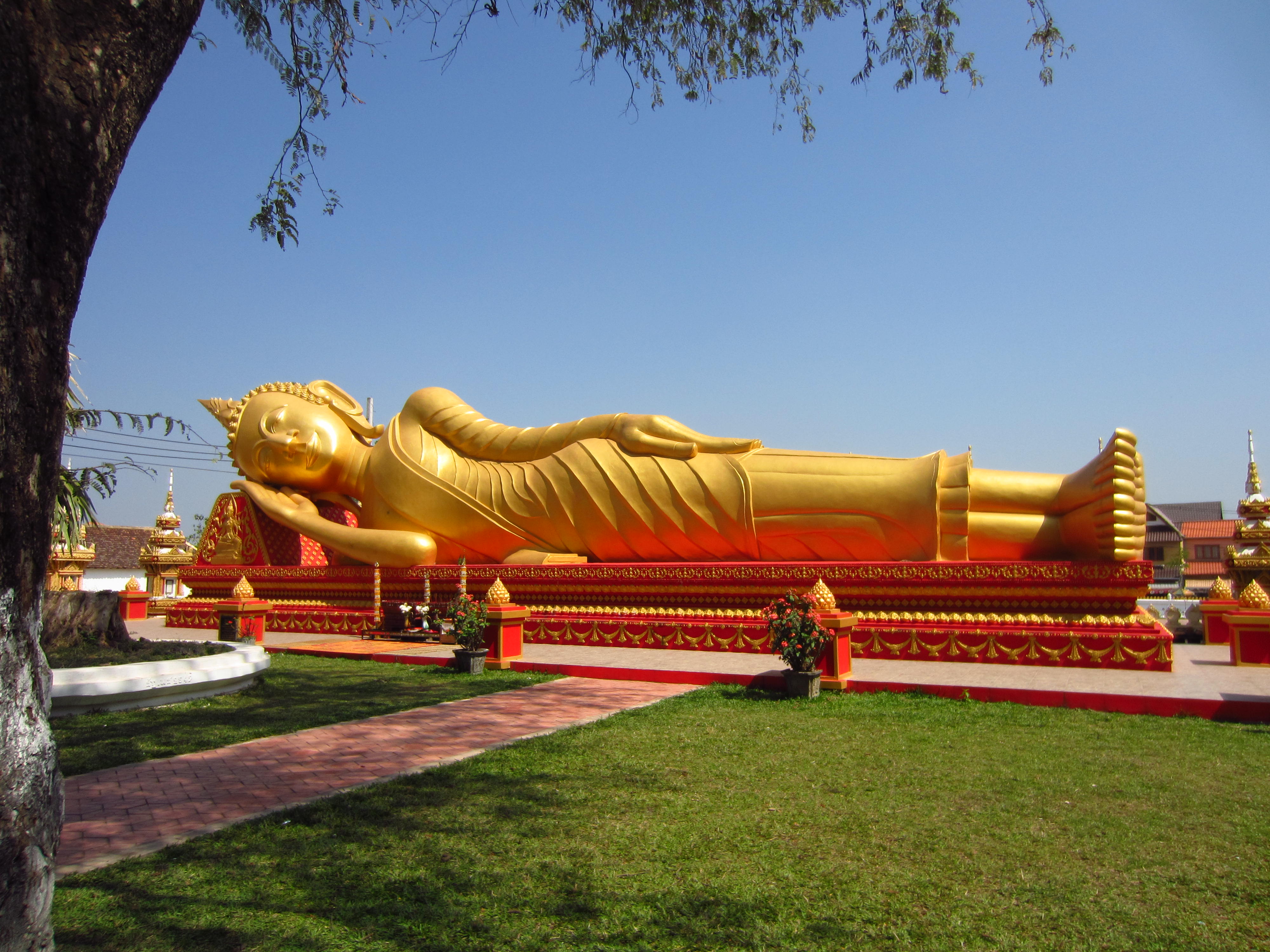
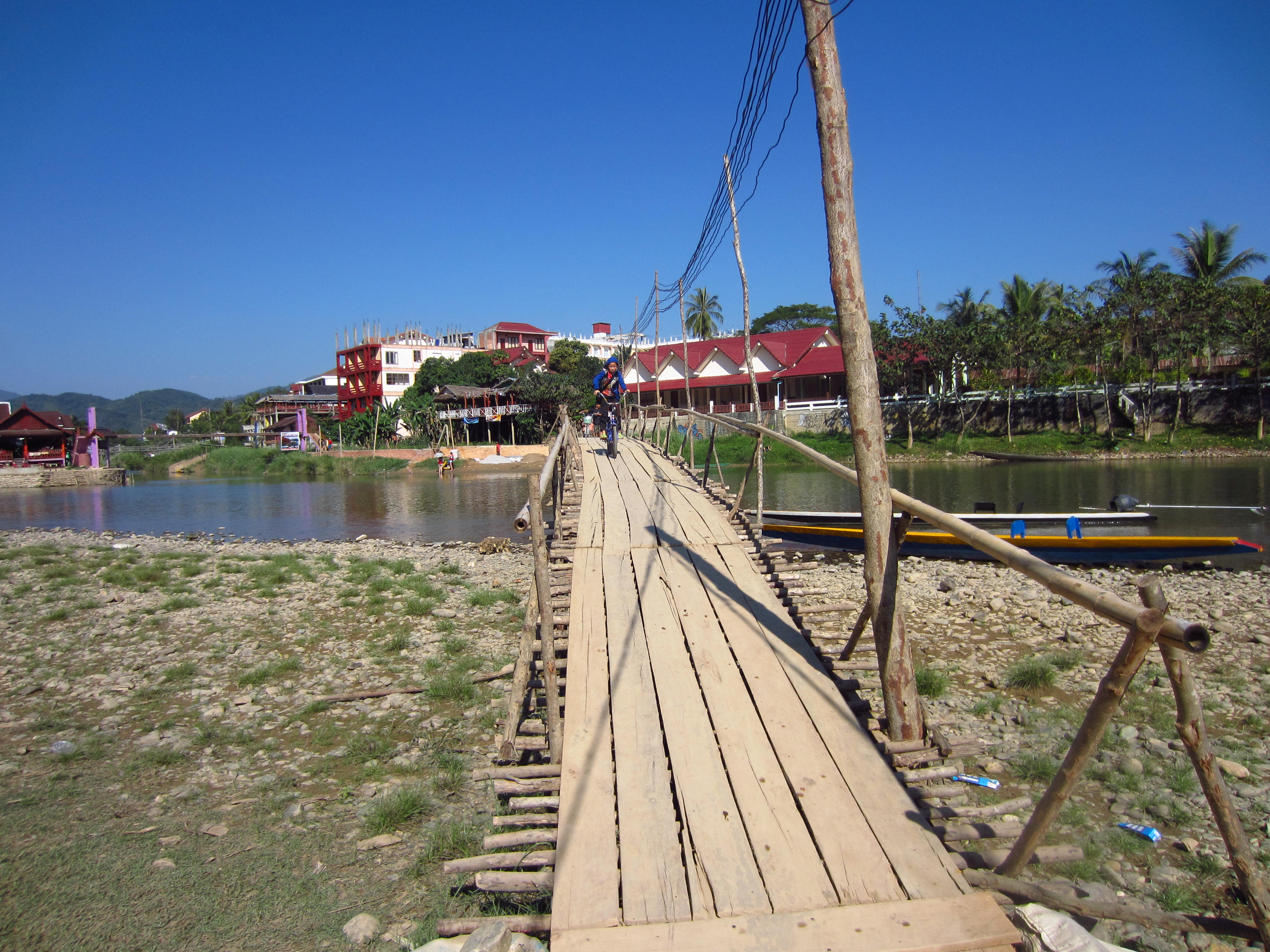
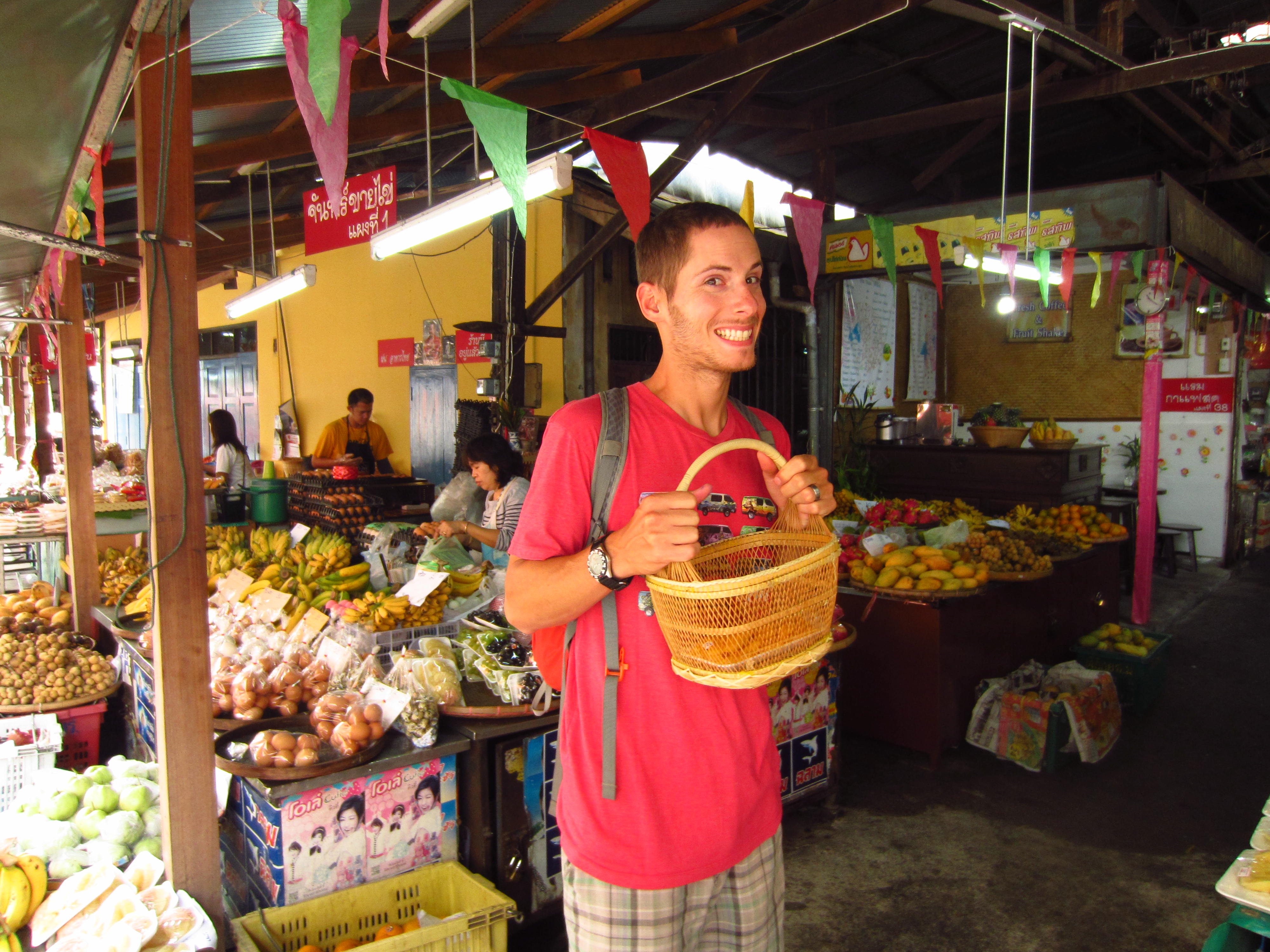
However, even with all the craziness, chaos and frustration we’ve overcome, SEA has been a positively memorable experience for the both of us. Generally, the people have been incredibly good to us along our way. Even with a massive language barrier, a genuine smile and a “Hello” in a native language seem to go a long way. We can’t wait to get back to Pho 95 in Denver and drop a “Xin Ciao” or “Tam Biet”. While the people (and dare I say civility of each country) are quite different, on the whole, the people of this region have a strong desire to enjoy life and family, something we can absolutely relate with. We’ve thoroughly enjoyed learning from the locals we met, who educated us on their lives and history. We’ve absolutely loved the food and found some great surprises along the way. We will certainly miss hawker stalls and street food, cheap beers and fruit shakes. The beaches were fantastic and we will miss our well-earned tans. Even minor frustrations such as having to physically go to a train or bus station to buy a ticket, something we would take for granted back home, we found as another way to explore and experience a town/city/village. SEA is packed with some incredible culture and history and we are blessed that we were able to experience it. We have thoroughly enjoyed our time here and will miss our noodle and rice diet! And with that warm up, off to India!
 wheresmyberger
WOW!!!!!!!!!!!
what a terriffic and thoughtful insite into culture and history of SEA… your views help elliminate the sterotype view of the “ugly american”.
love and miss you both so very much.
your musshy father.
pim
Thanks dad, see you in Europe?!!