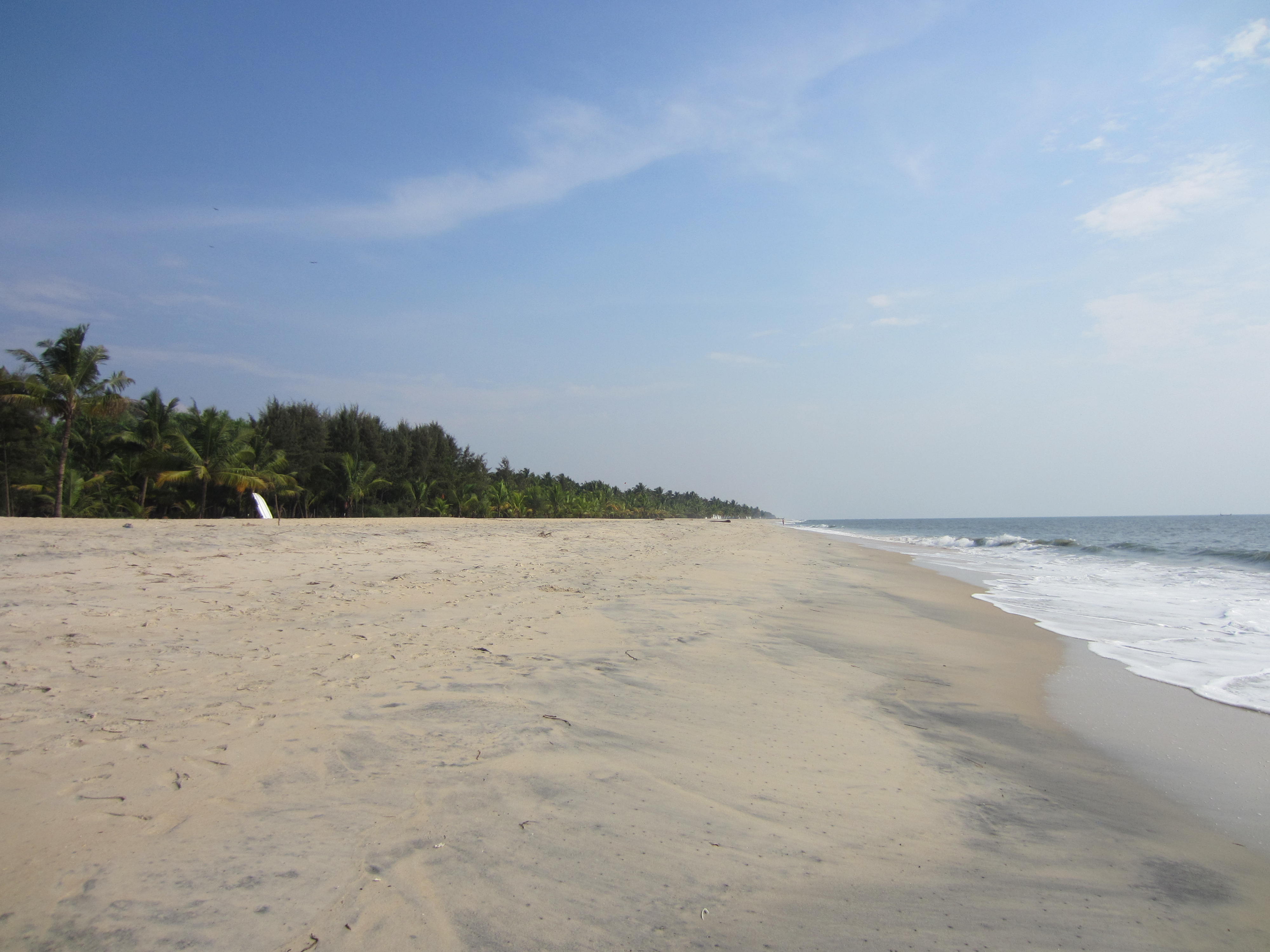
Murari Beach
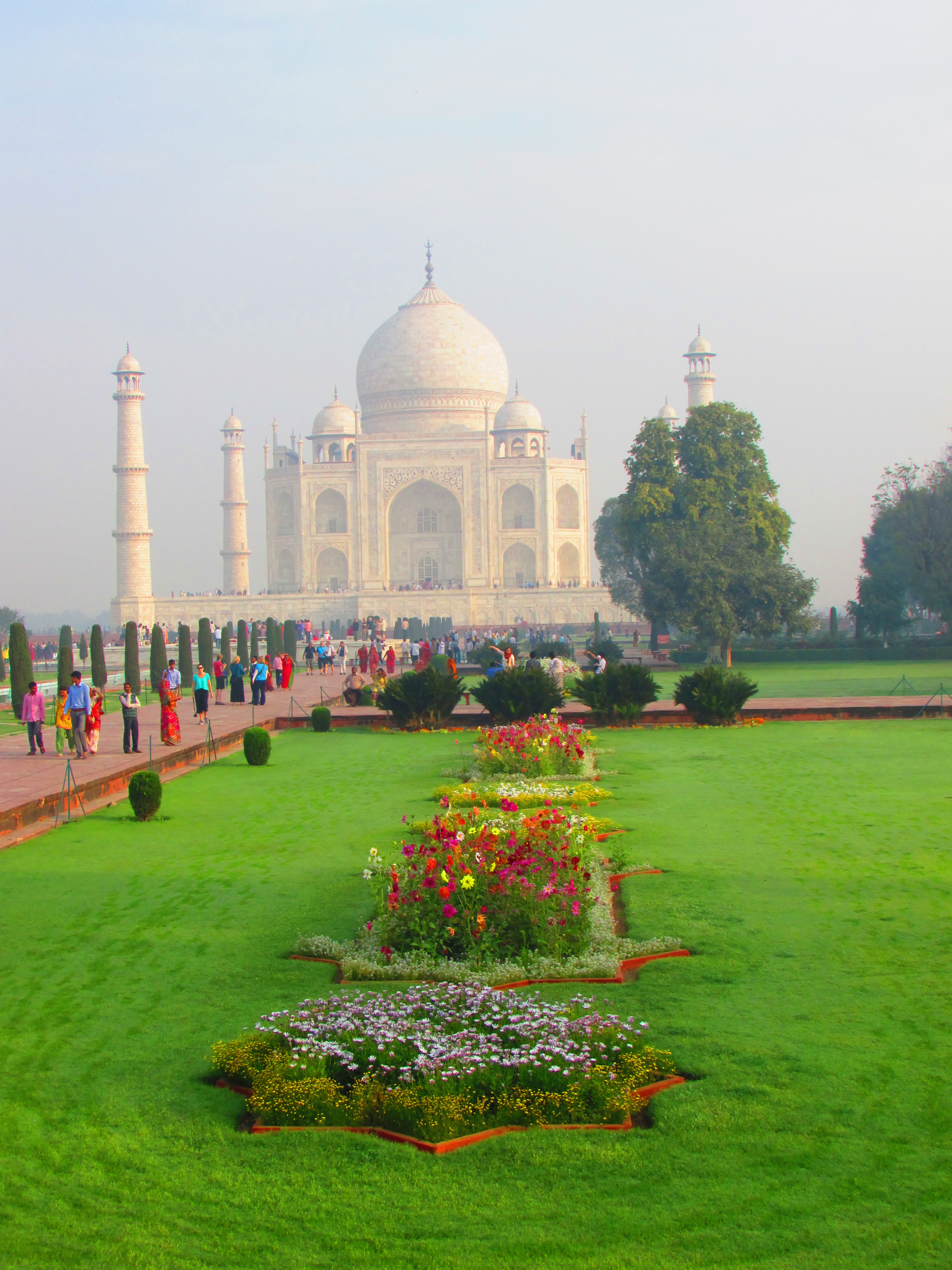
The Taj
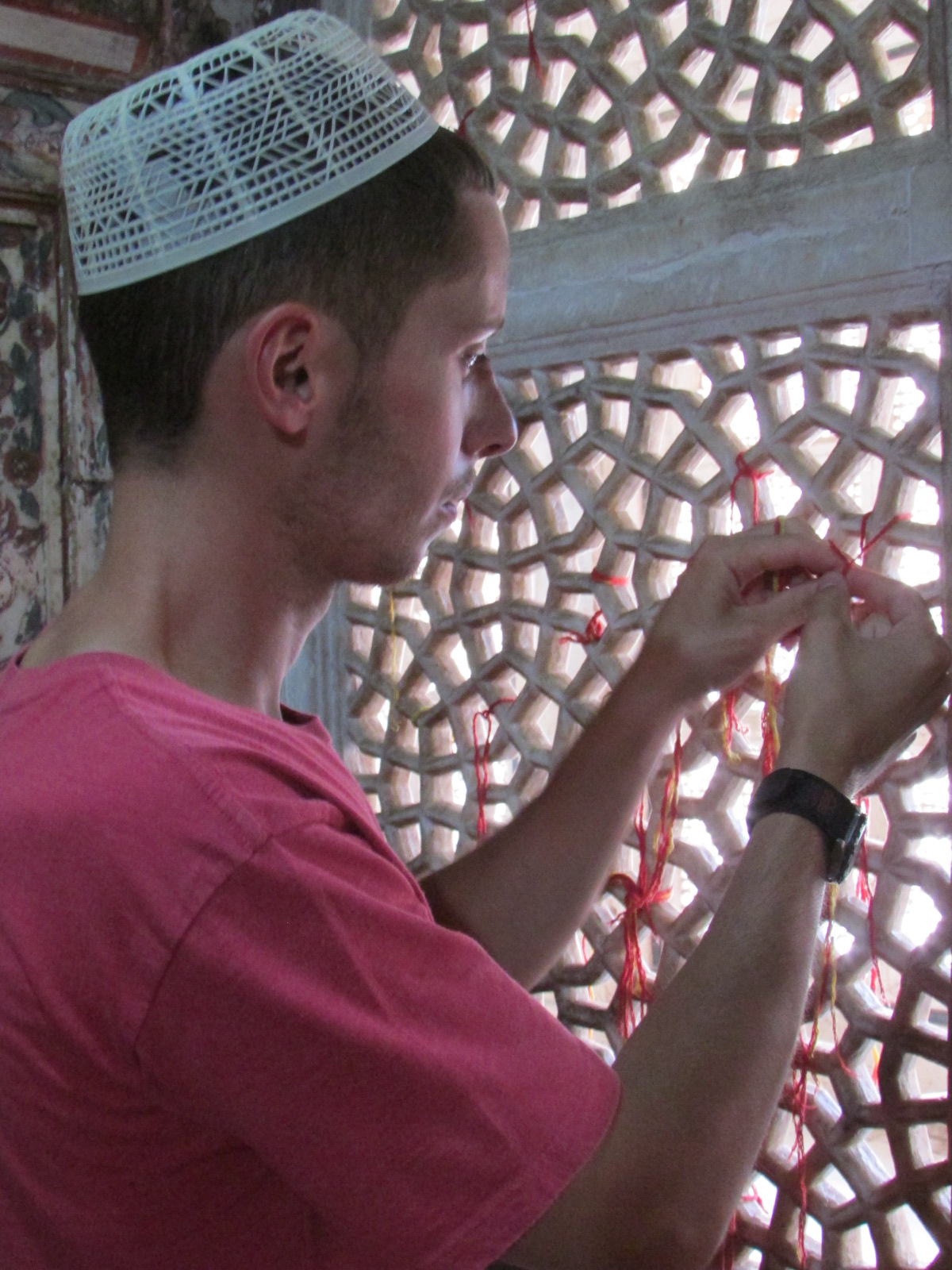
Making a wish in Fatephur Sikri
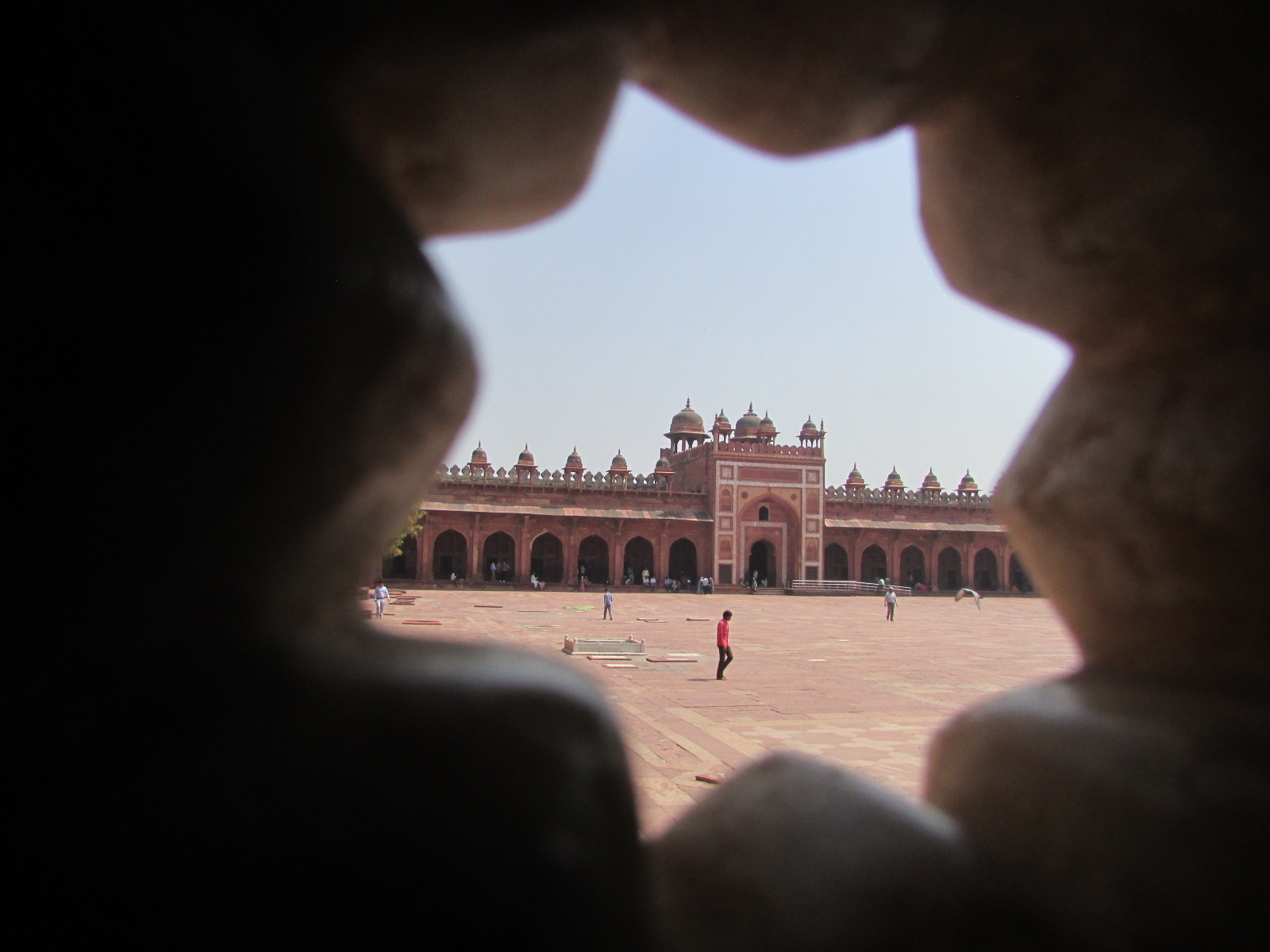
Mosque in Fatephur Sikri
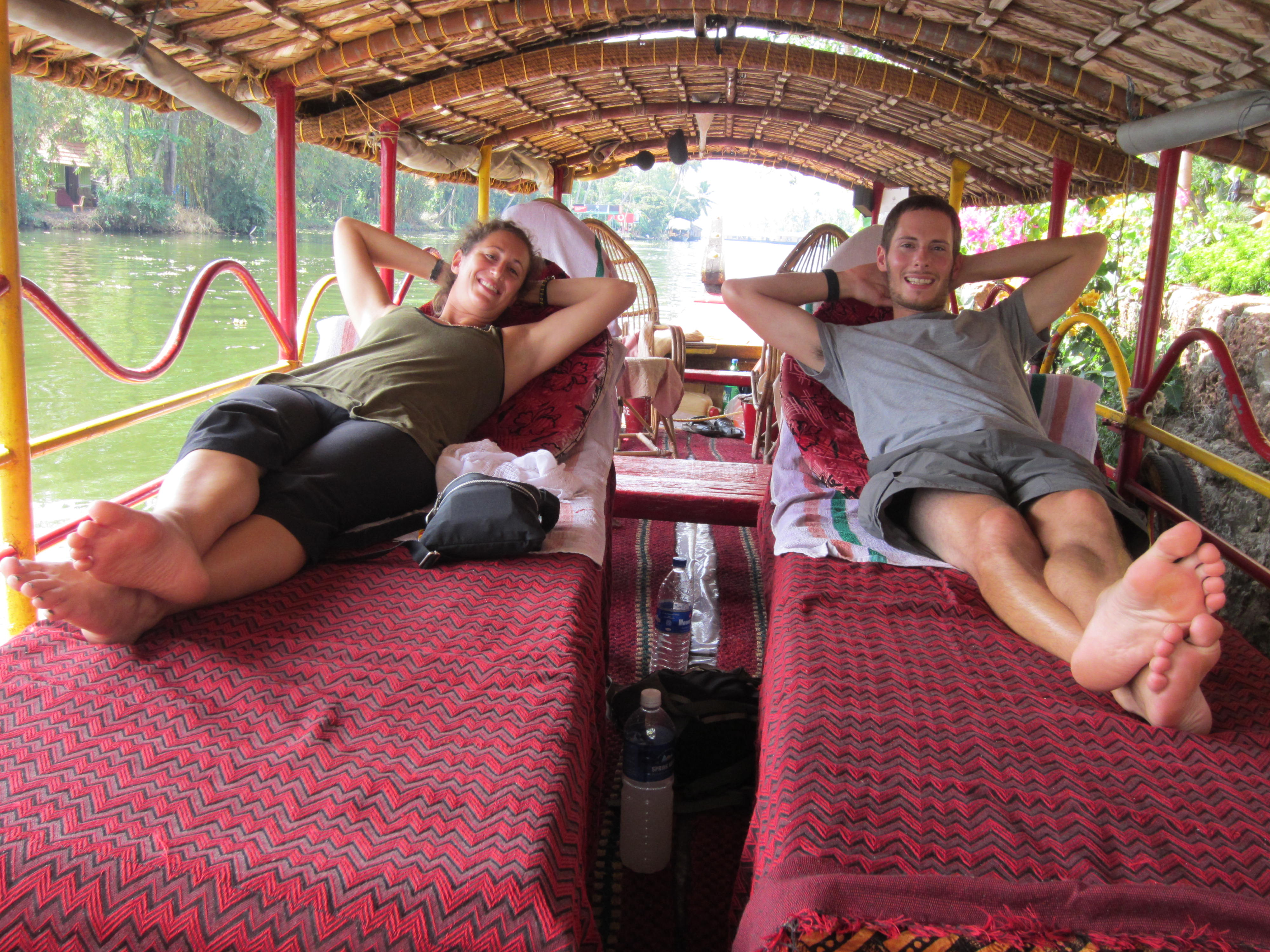
Relaxing on our boat cruise of the backwaters
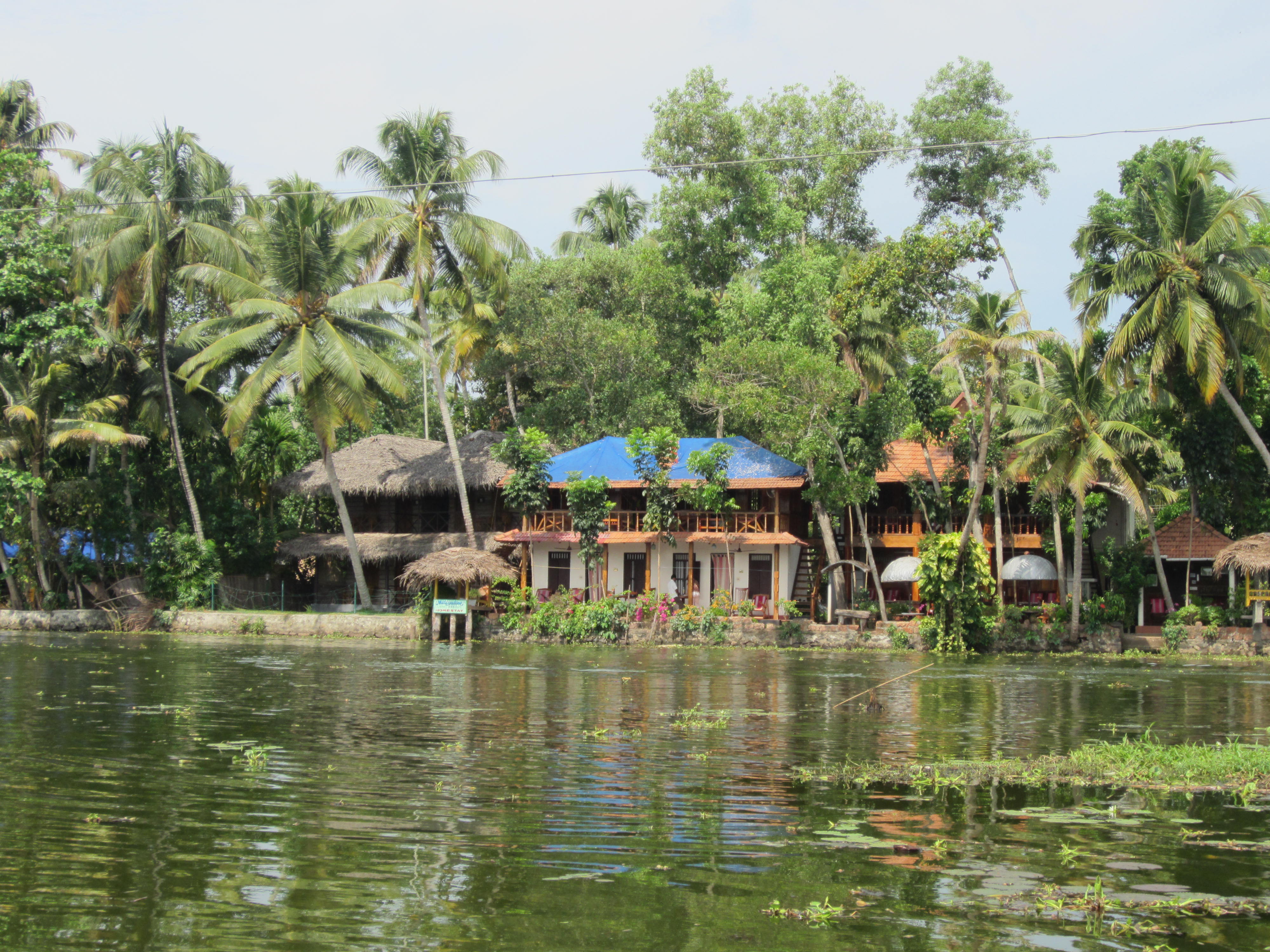
Our “resort” in Alleppey
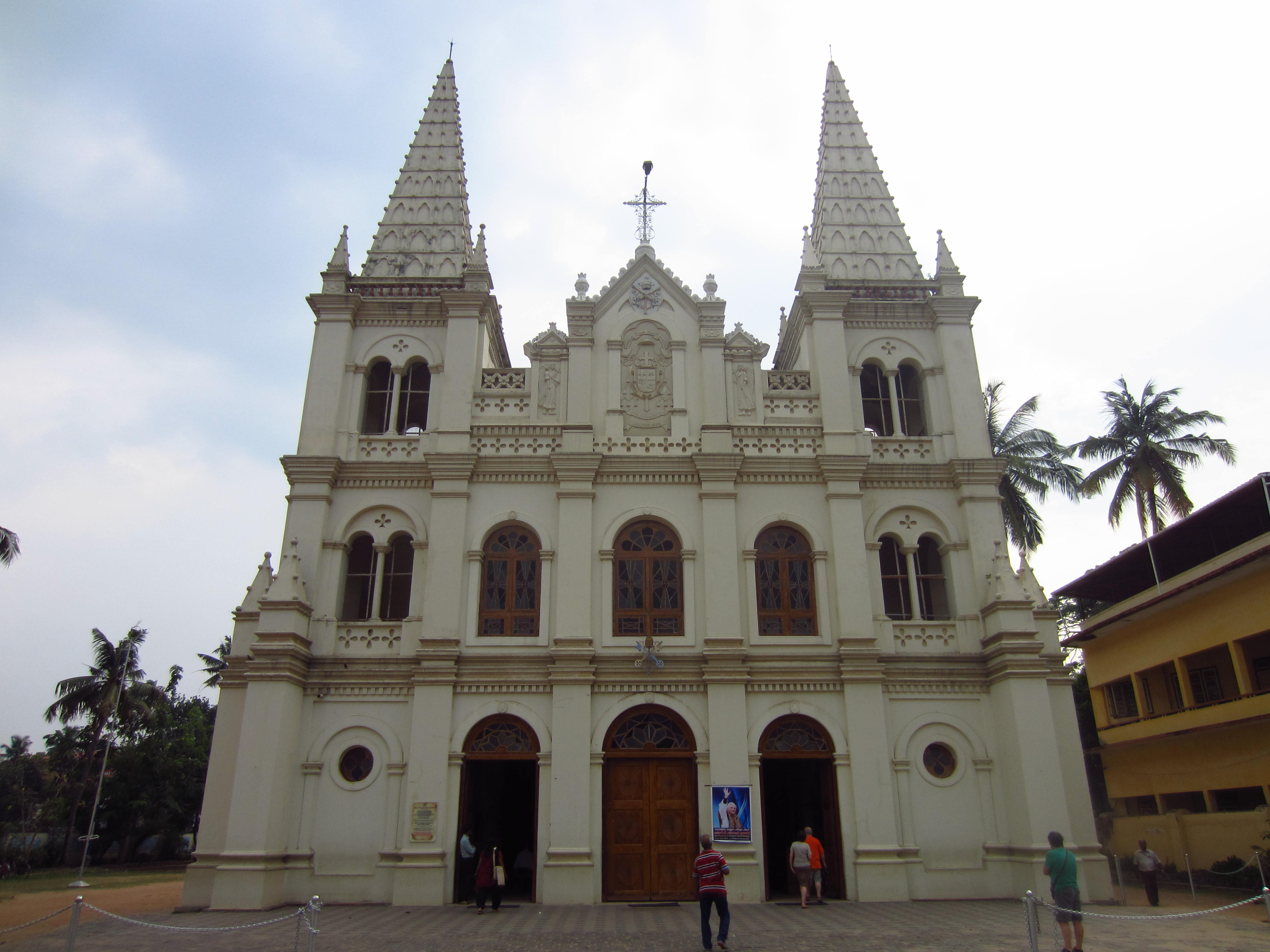
Church in Fort Kochin
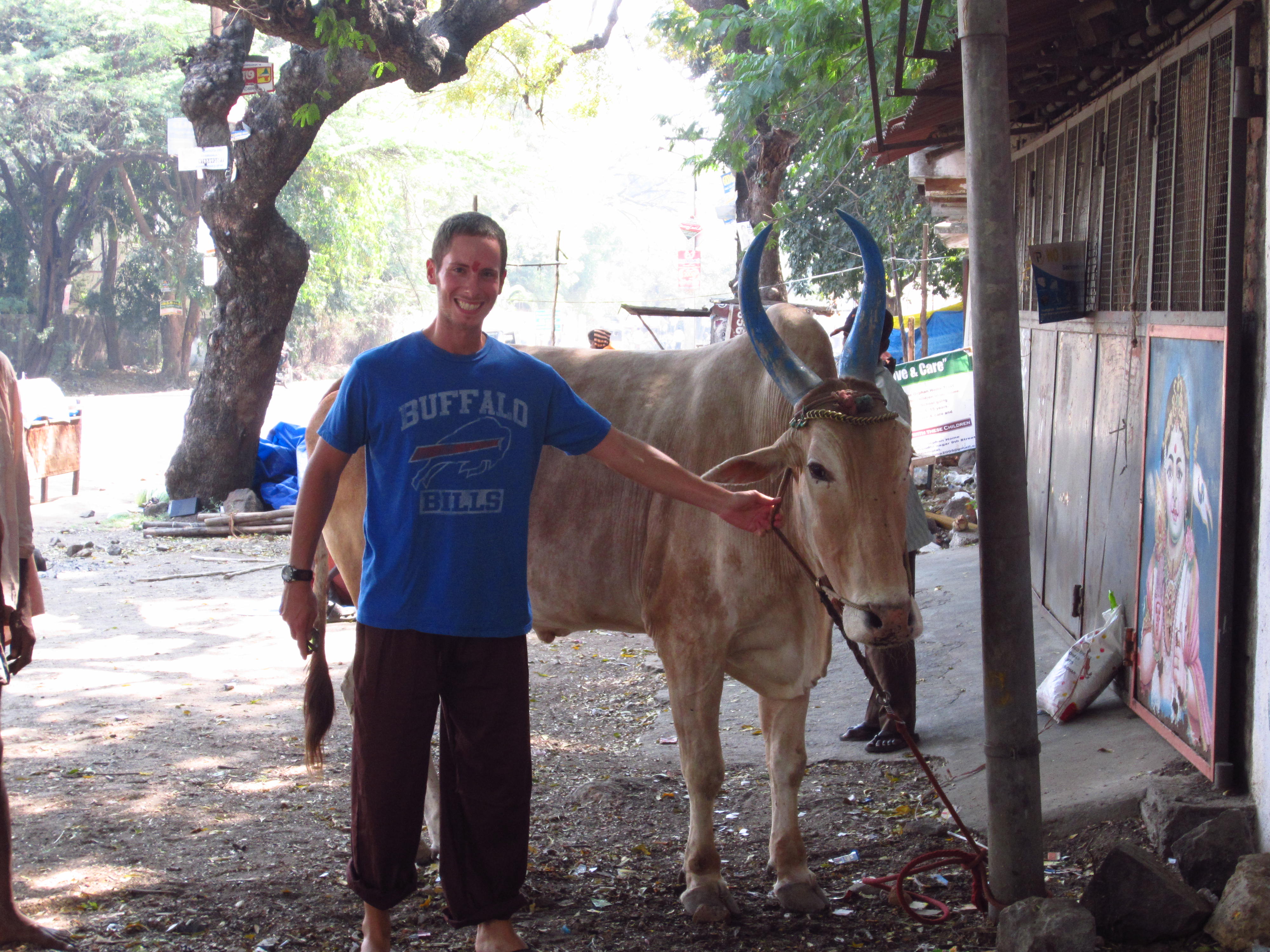
Typical sacred cow
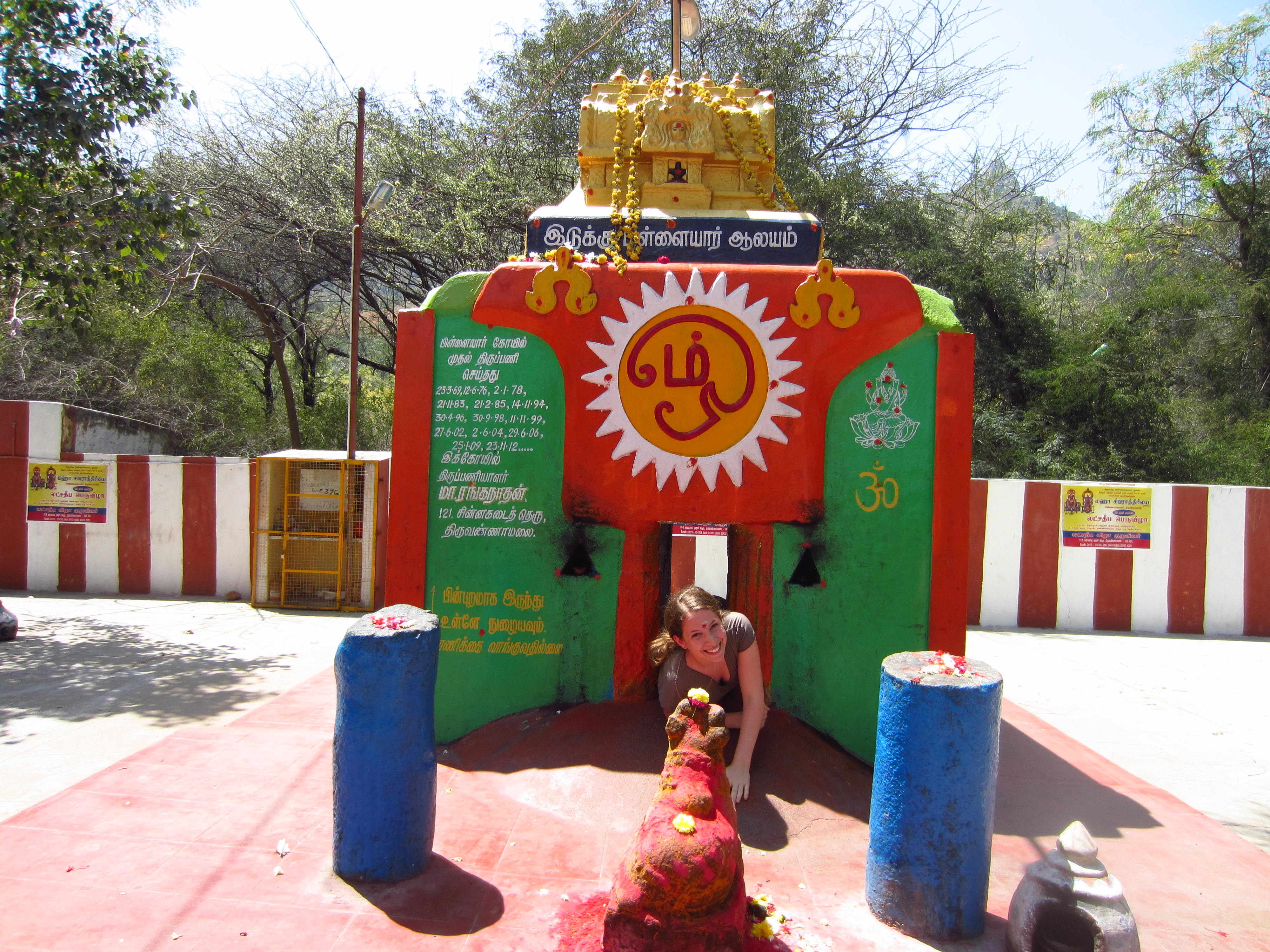
Getting the bad juju squeezed out of us
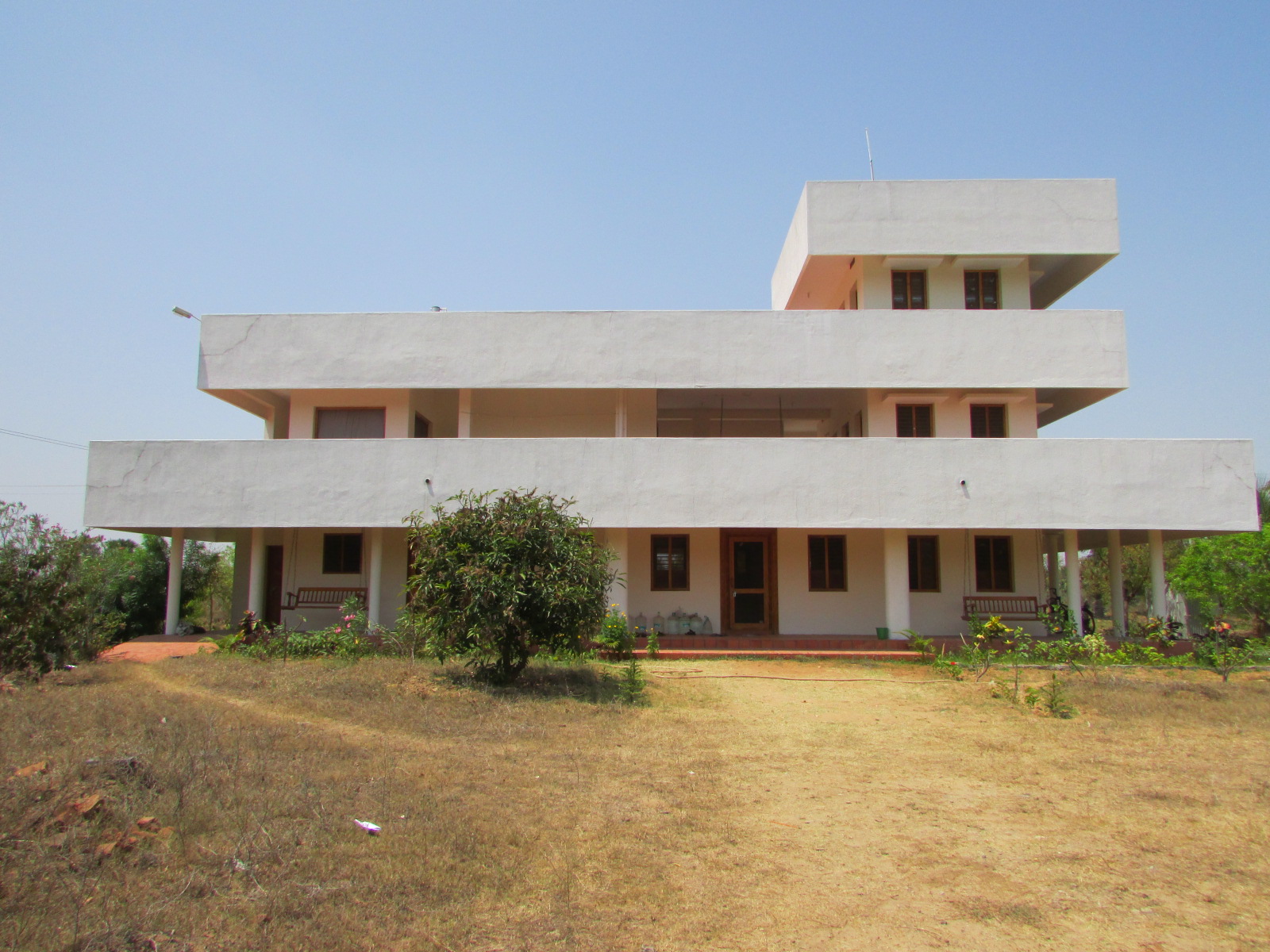
The “villa” in Tiru
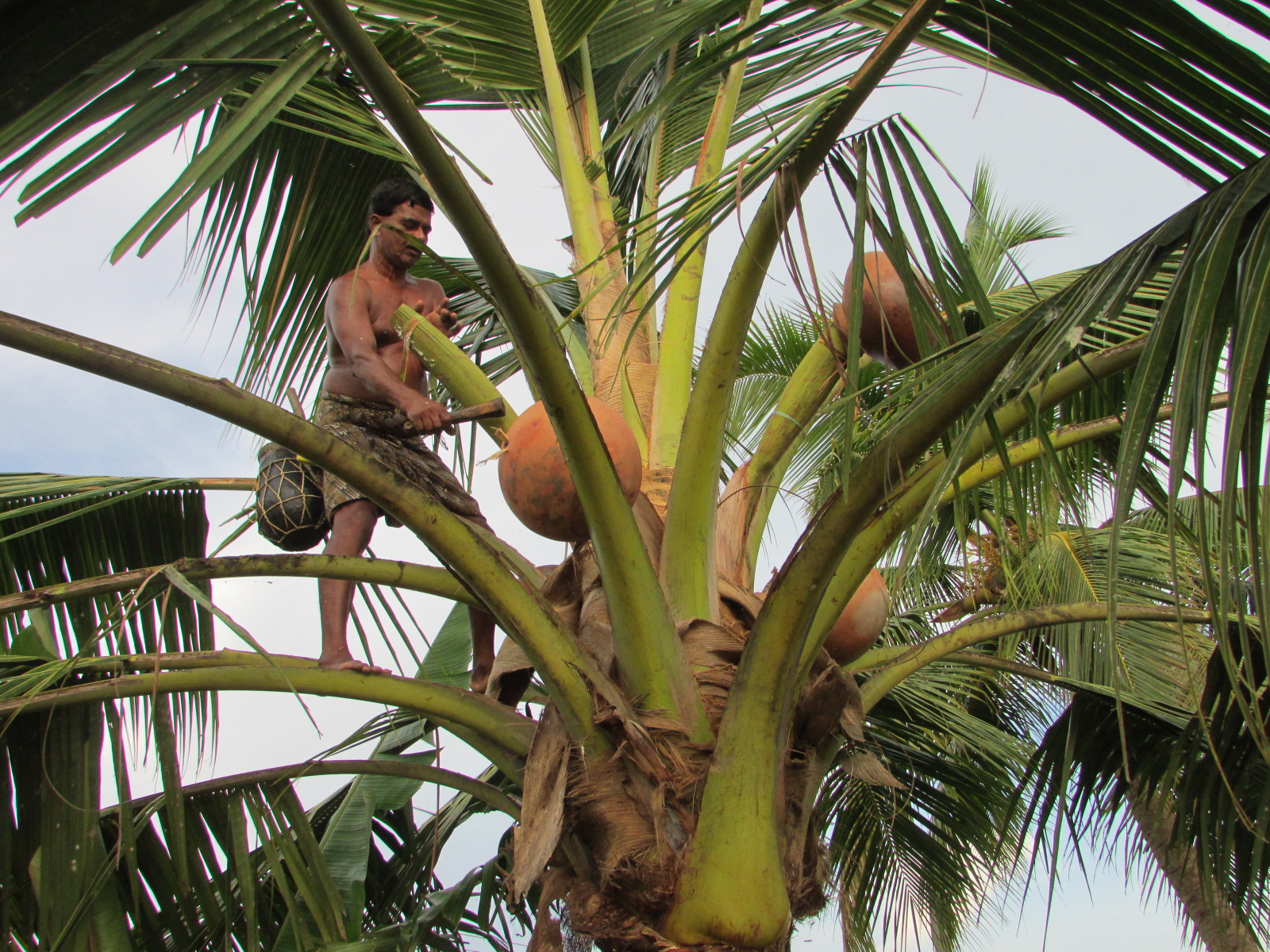
Getting fresh toddy (palm liquor) from a tree in Alleppey
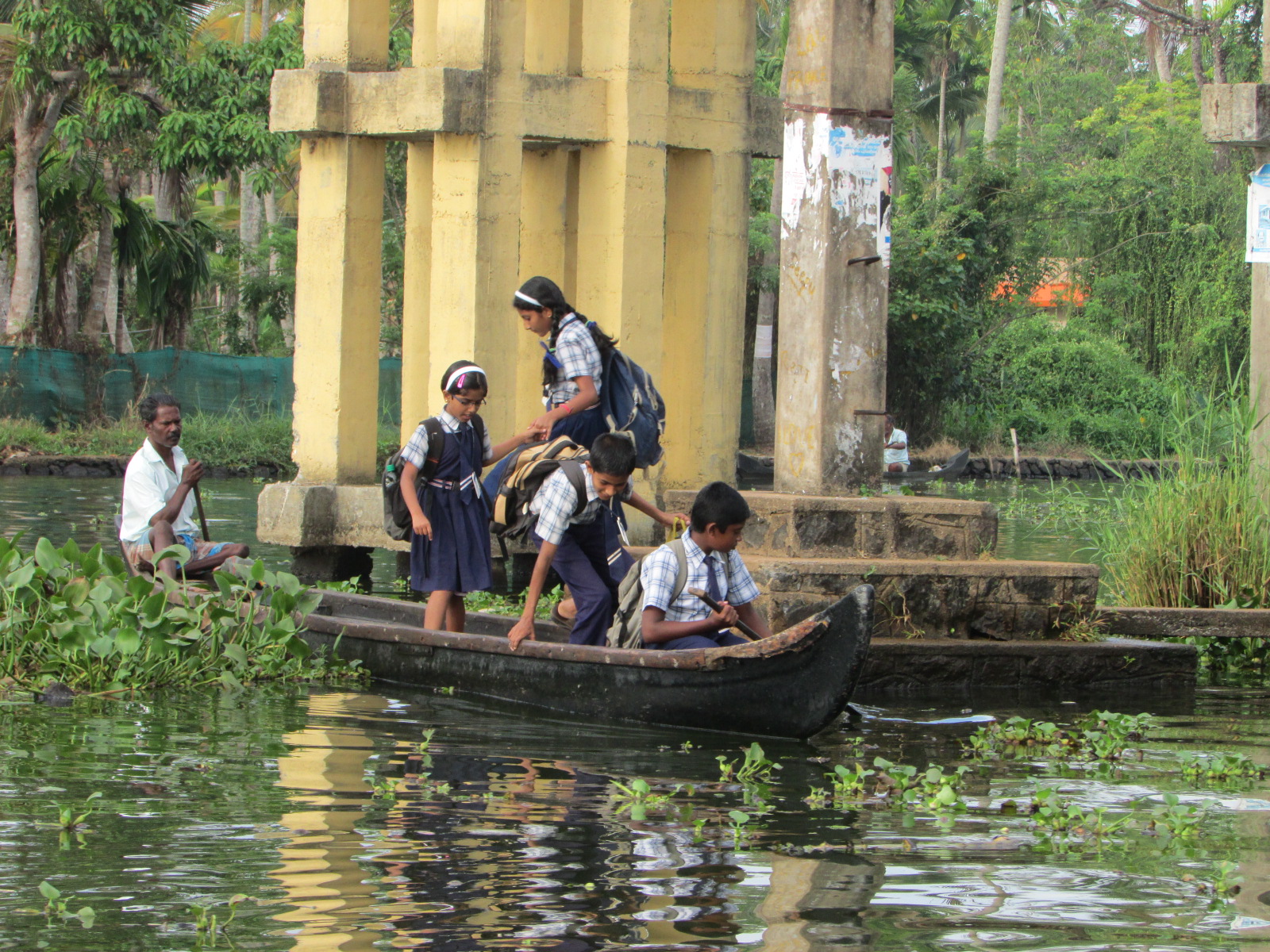
Children going to school via boat in the backwaters of Alleppey
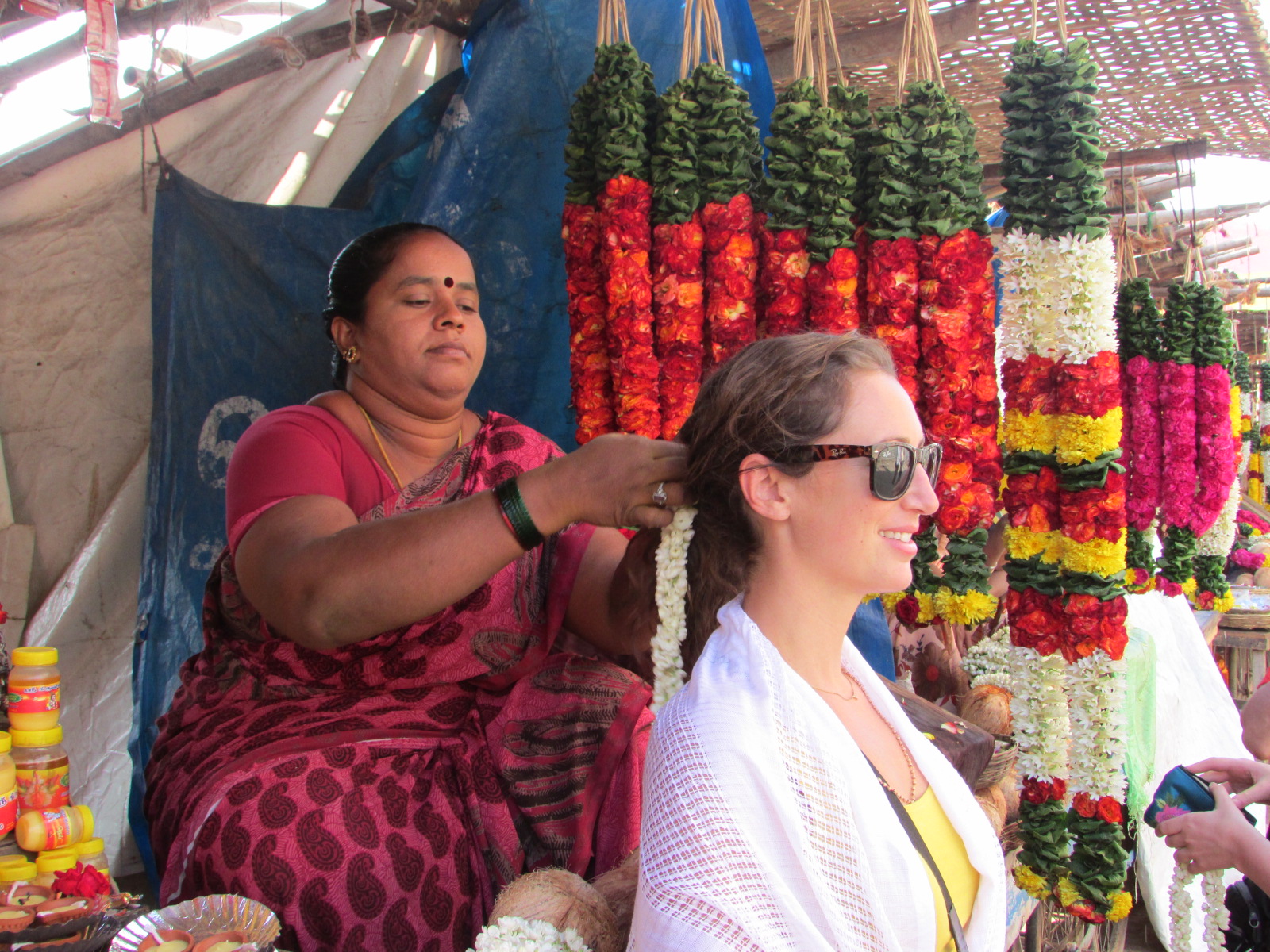
Getting flowers in my hair before going into the temple
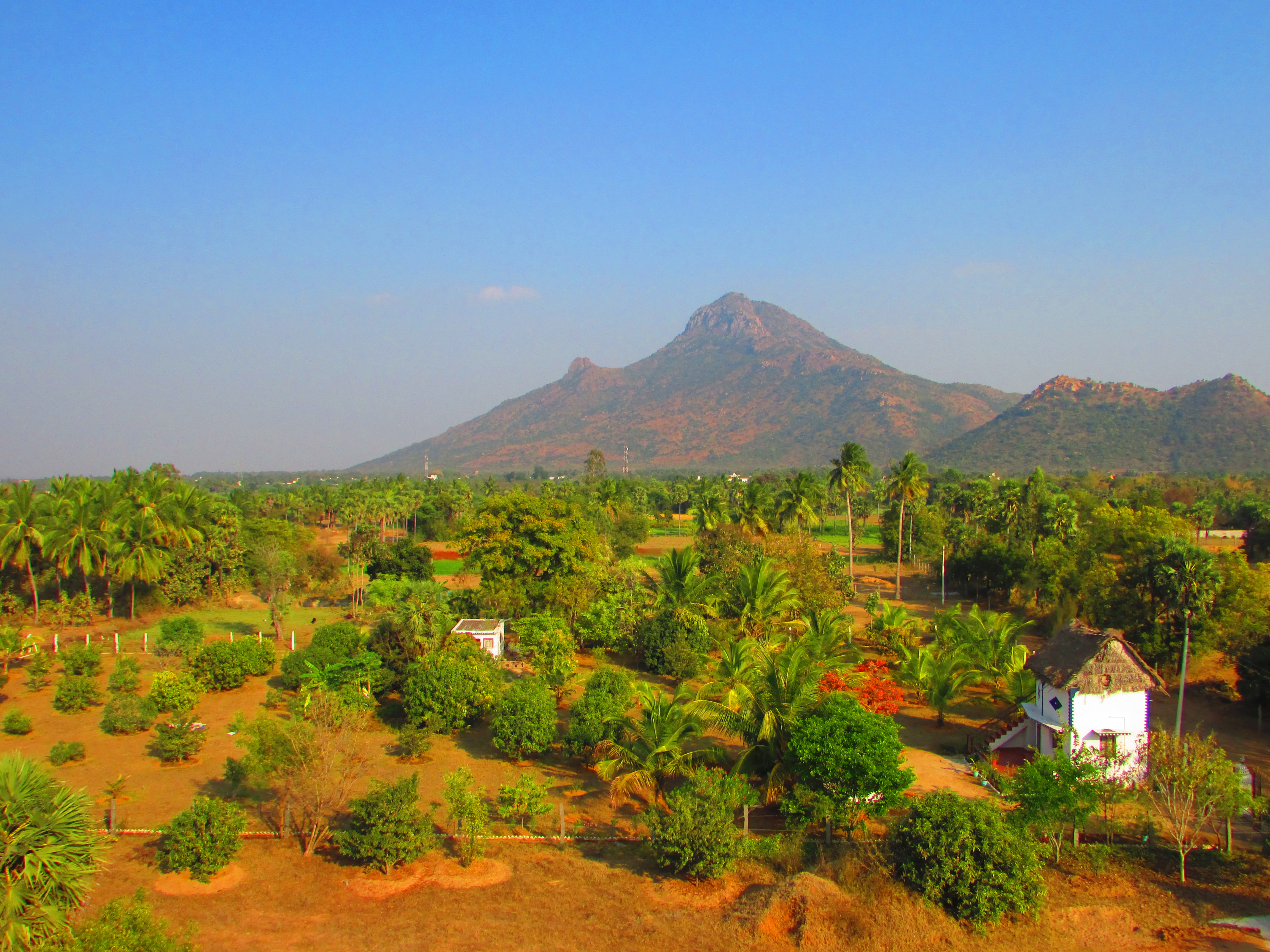
Mt Arunachala
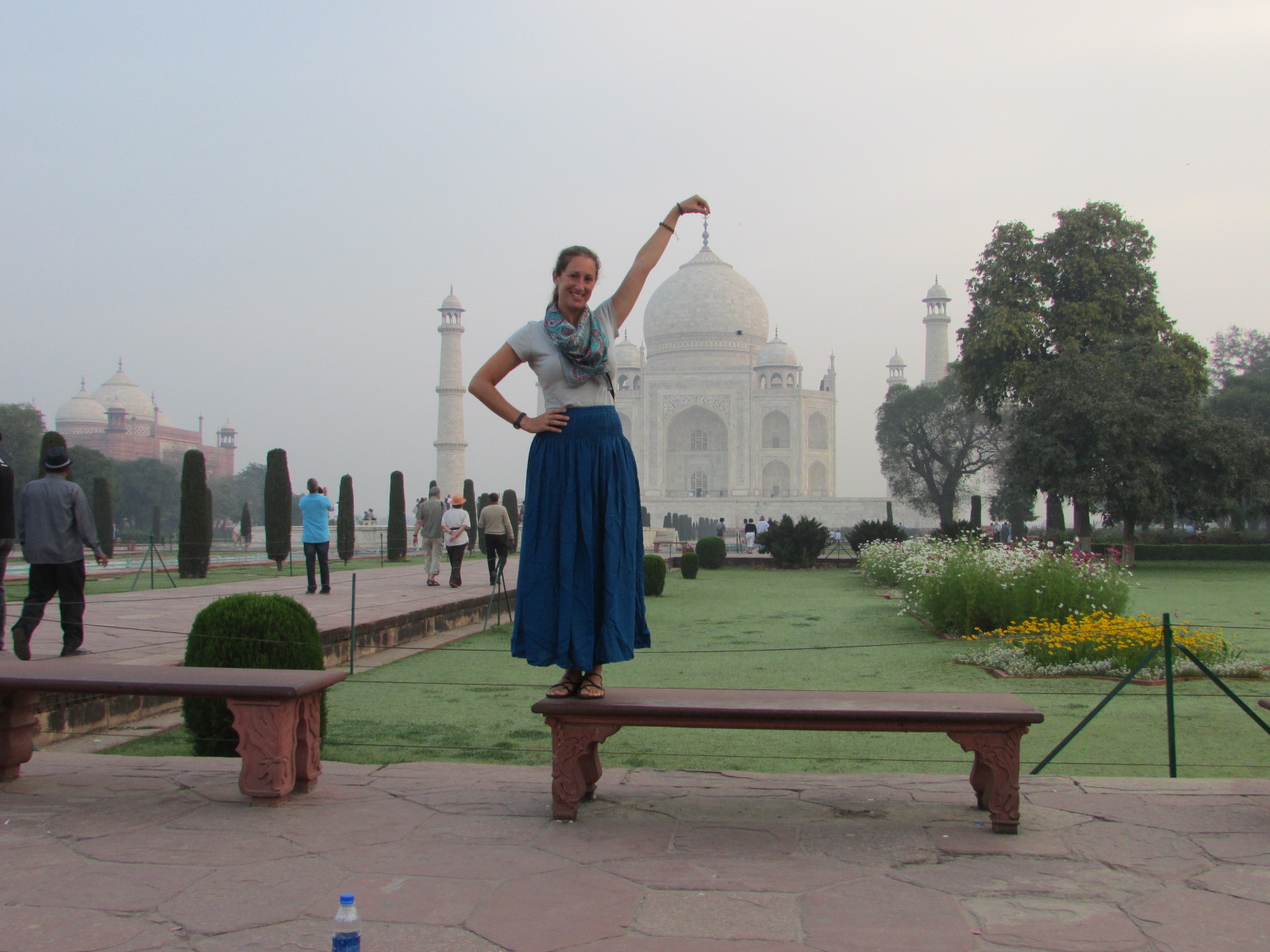

Compliments of our tour guide
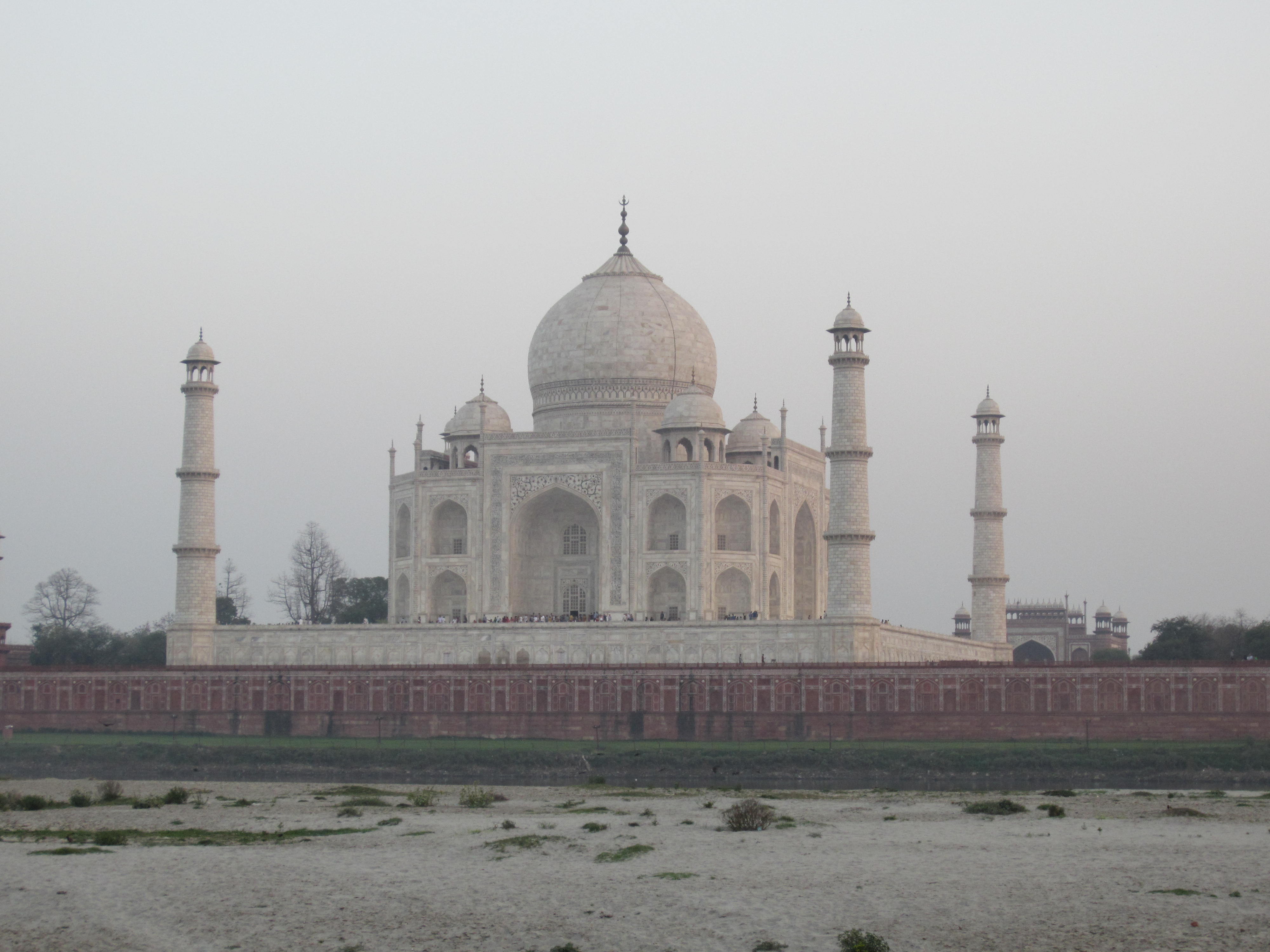
Back of the Taj

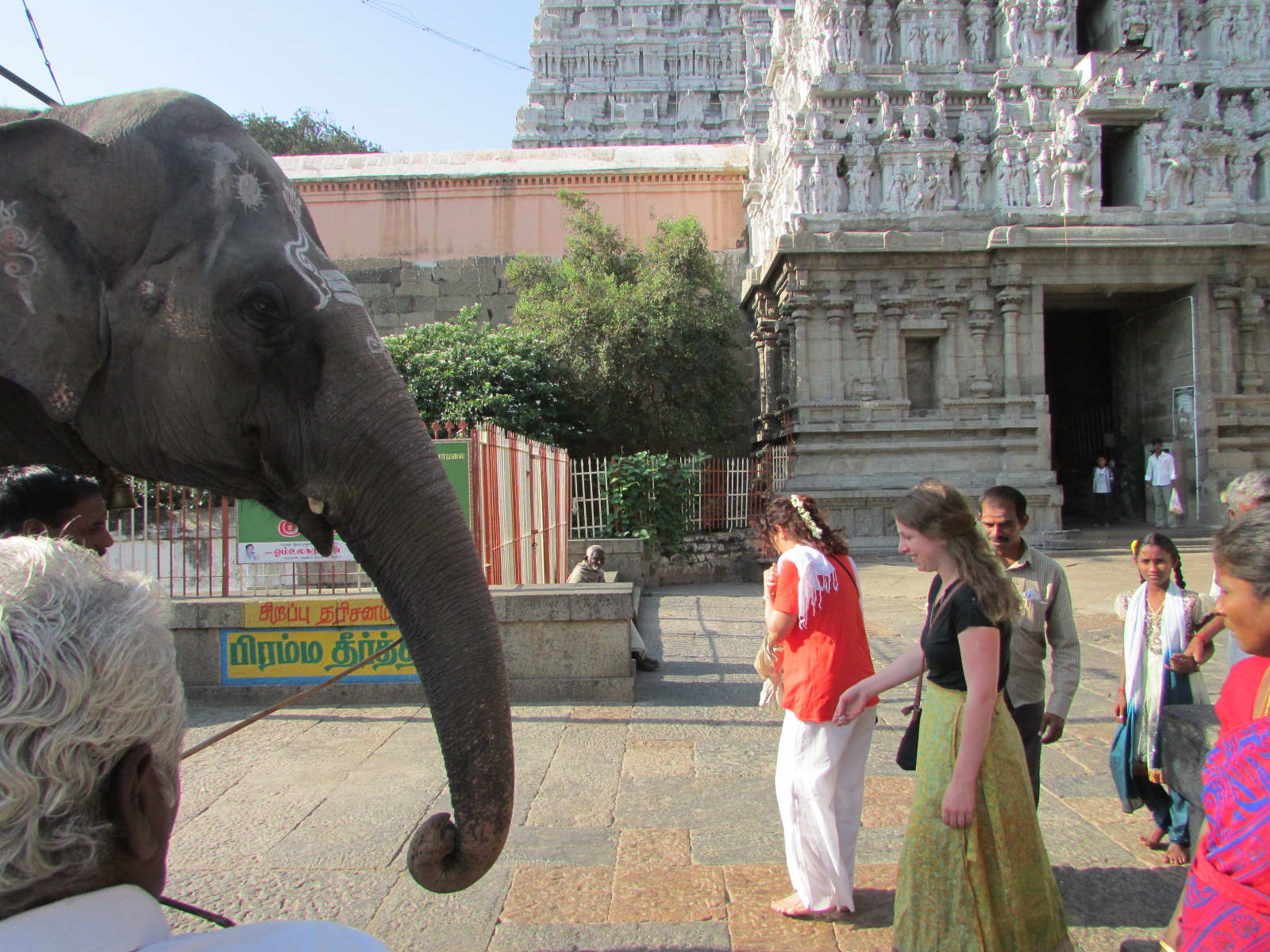
The elephant bops you on the head for good luck
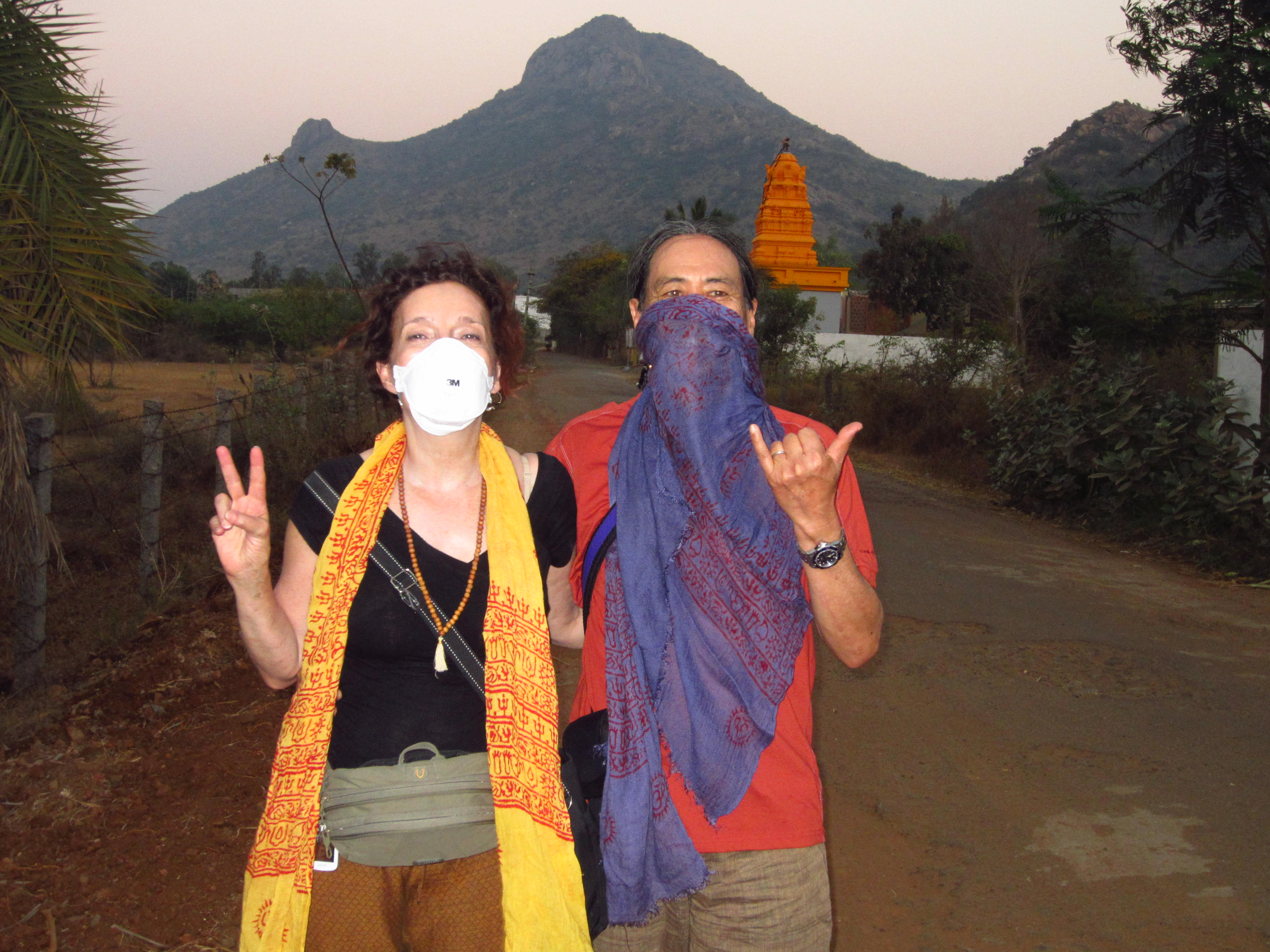
Ramana and Antoinette getting ready for productshana
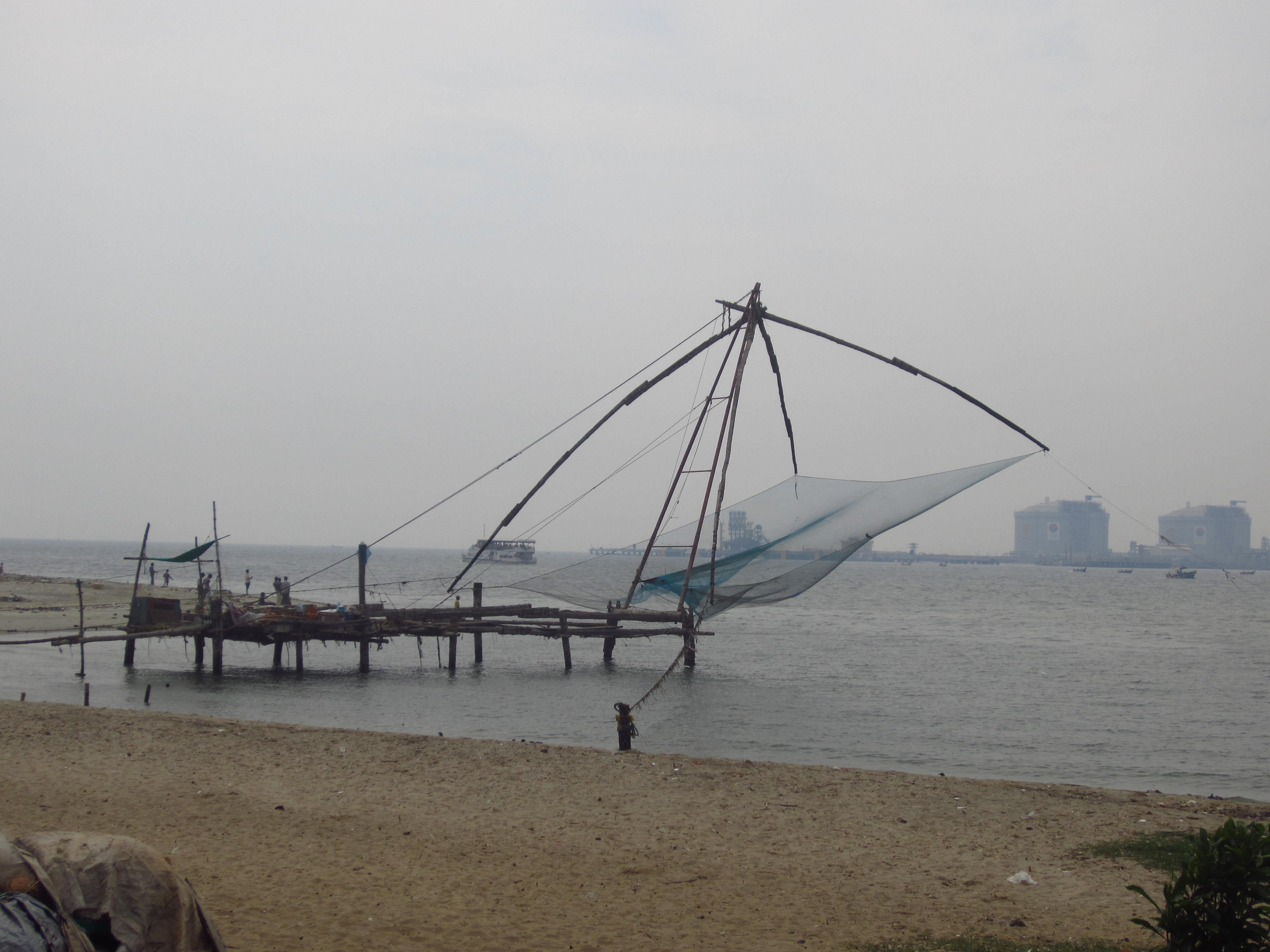
Chinese fishing nets in Alleppey
As we soaked in some luxurious relaxation from a rooftop pool in Bangkok, we knew this would be one of the last times we would find peace and quiet for quite a while … India was up next. We had mixed emotions and expectations regarding our upcoming trip to India. Excited for the cultural and sensory overload that was about to slap us in the face, but concerned for all the potential pitfalls a Westerner may experience there. We boarded a plane from Bangkok to Chennai and were welcomed by heavy doses of Indian men sporting there best Tom Sellek mustache impressions and hauling scores of flat screen TV’s over the border. The flight consisted of lots of snoring, hawking, coughing and other bodily noises that we weren’t so used to hearing on flights. Upon arrival, the flight attendants walked up and down the aisle spraying some sort of aerosol can throughout the cabin. While the attendants announced the spray was recommended by the country’s “health administration”, we quickly put on our face masks and hoped for the best. Our Indian neighbor saw the concerned looks on our faces and told us it was typical on all flights … Welcome to India.
As we passed through the arrival gate, we were eagerly greeted by Andy’s mom, Antoinette and husband, Ramana and whisked away to their “villa” in Tiru, a four hour drive Southwest of Chennai. We predictably made a stop at our first chai tea stand (at 2 AM) and experienced our first authentic cup of chai … delicious. Tiru is a town that Westerners and Indians alike flock to for its spirituality. The town is home to Mt. Arunachula, a mountain named after the Hindu God Shiva that many believe has a certain energy that draws people there. The mountain is located in the center of the town, has a 10 mile circumference and the top is shaped like a head of an elephant. Dotted along the road encircling the mountain we found many shrines, where followers come to receive a daily blessing by the Pujari (priest). Tiru’s locals and guests will also participate in productshana, the act of walking around the mountain to find an answer to your intention or prayer. We of course participated in all these rituals with the education and guidance of Ramana and his friend Venkatesen. Without them, we would be completely lost when we met with the Pujaris and completed productshana. Many thanks!
Antoinette said India is like time traveling, we didn’t really understand what she meant by this until we arrived. I would like to think that the term time traveling is a less derogatory way to describe the rough edges of a developing country. Regardless, after a week in, we completely agreed. We did our laundry by hand and hung it out to dry, drank freshly squeezed milk from a cow, had coconuts directly from a tree, watched people bathe in the backwaters, experienced life without a dishwasher and refrigerator, ate out of steel plates versus plastic, lived without air conditioning in 100 degree temperatures, watched cows cart men down main city roads, saw goats treated like dogs, took cold bucket showers, etc. This wasn’t the 1960s, it’s the 1860’s.
After a week or so of living comfortably in Tiru, we hopped on a plane and traveled even further south to sweltering heat of Kerela, a region touted by the Christian majority as “Gods Own Country” … whatever that means. You may be saying to yourself, “Christians in India?” Well … the Portuguese developed this part of Indian in the 1500’s, which was later occupied by both the Dutch and British. During that time, they rather successfully implemented Christianity to the region. Throughout Kerela, you’ll find numerous beautiful, white-washed churches and many examples of classic European architecture located along quaint alleyways. Our first stop was Fort Cochin, where on top of some impressive churches we found a rather bland Dutch palace and area known as Jewtown (no joke) and walked through the oldest functioning synagogue in India. Fort Cochin was pleasant since we were able to freely walk the litter-free streets without harassment from touts or rickshaw drivers, a true rarity in India. We also headed further South and spent a few days in Alleppey, an area known for its backwaters (tributaries to the Arabian Sea). Many tourists will rent a house boat for a day or two and cruise the backwaters, hoping to catch a glimpse of life on the water. We opted for a small guesthouse on the water, with a few day trips around the backwaters. It was truly incredible to watch the locals live their daily lives, a stark contrast to our relatively cushy lifestyle back home. We were able to cruise down narrow canals and see families bathing and brushing their teeth in the same river water that was full of litter and gasoline from the house boats, washing laundry on a large rock near their house, fishing with nothing more than a stick and string and kids heading off to school by small boat or wooden kayak. Some homes were quite beautiful and colorful, while others were nothing more than some rock and a tin roof with no running water. Even in these unsettling conditions, we received countless bright smiles and “Hello’s” from waving children as we cruised by. The backwaters of Alleppey are truly a unique place.
Fast forward a few days later and we are traversing through the streets of Delhi in our rented Toyoto Innova with our driver, Sirgit, on our way to pick up Antoinette and Alexandra (while we were traveling Kerela, Antoinette and Alexandra headed up to Darjeeling). Due to our group size, we decided to hire a car service to take us through Rajastan. After pushing through the suffocating Delhi traffic, we headed south towards Agra, home of the Taj Mahal. The next day we woke up early and made it to the Taj for sunrise. Even with all the hype, it’s truly a magnificent site. The stunning white marble mosque dominates the complex and you can certainly understand why this is the most visited tourist site in all of India. We hired a guide who probably performed better as a photographer than an educator; however, I think he was worth every rupee. After meandering around the Taj for a couple of hours we headed out to the Agra Fort, a lesser known Agra attraction but with some interesting history (nothing like seizing power from your King father and locking him up in his own fort!).
Gladly leaving Agra and we are off to Rajastan.
 wheresmyberger
The pictures are amazing- you guys really captured what life seems to be like there. Love you!