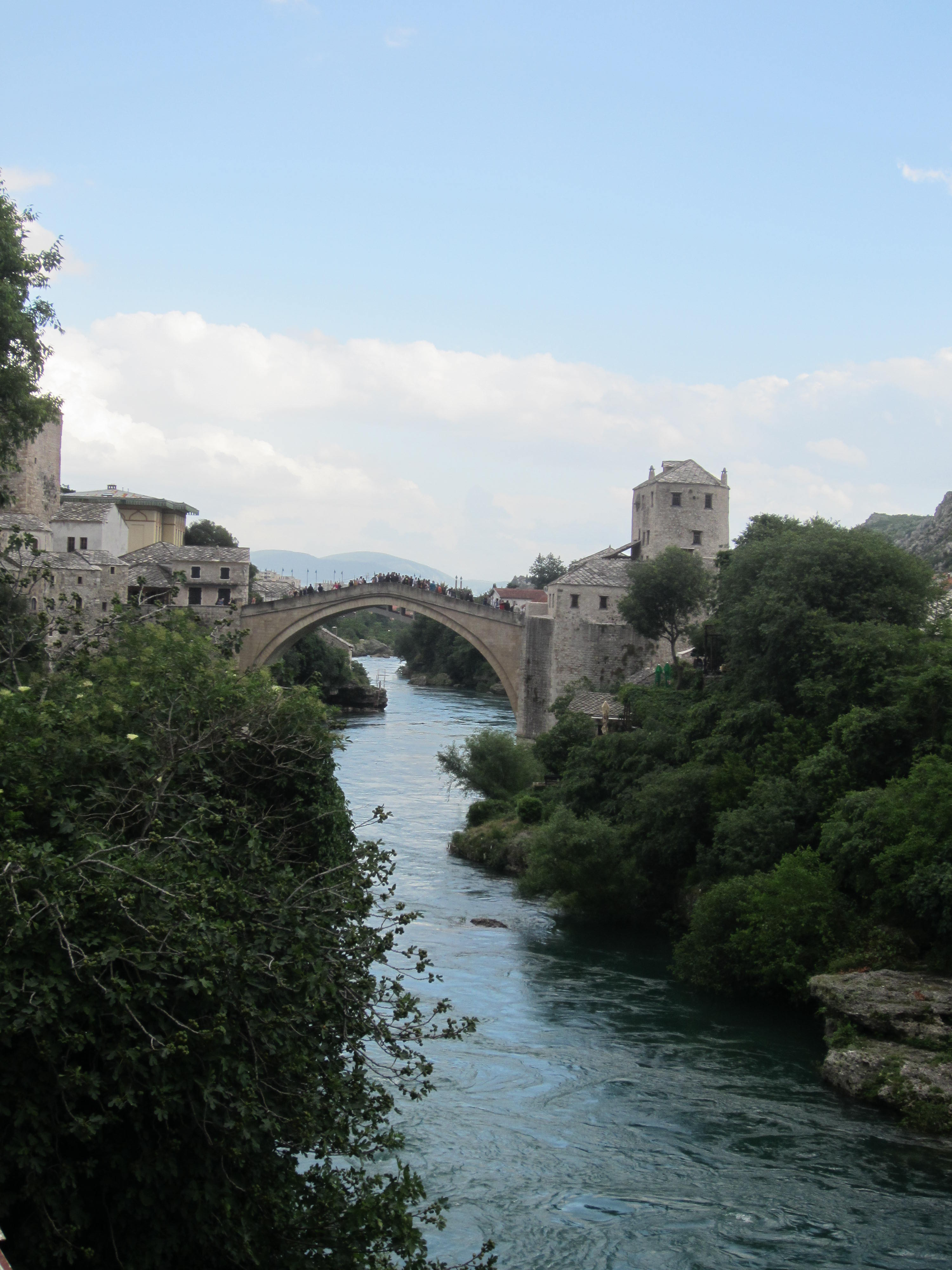
Stari Most bridge in Mostar
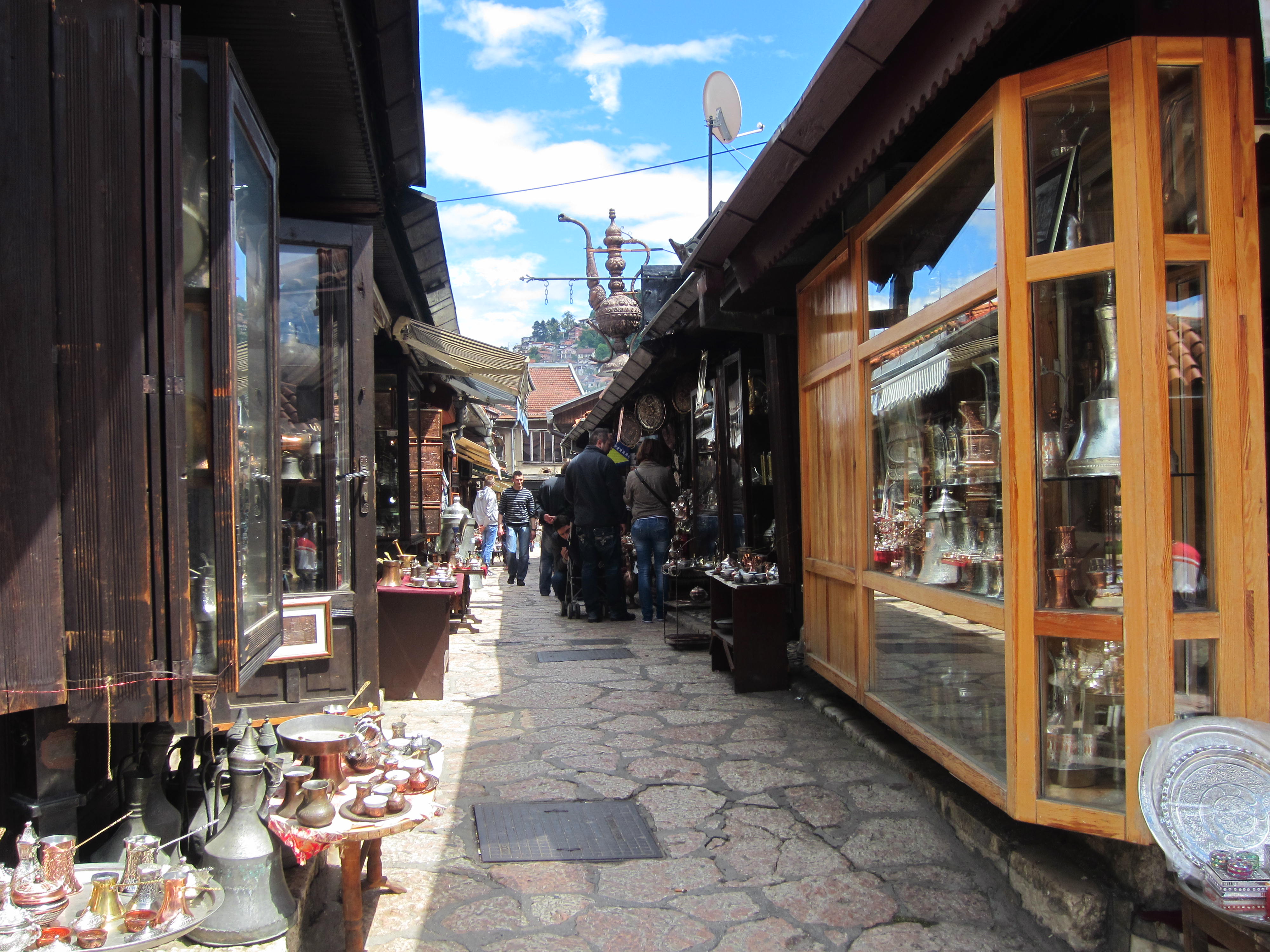
Ottoman streets of Sarajevo
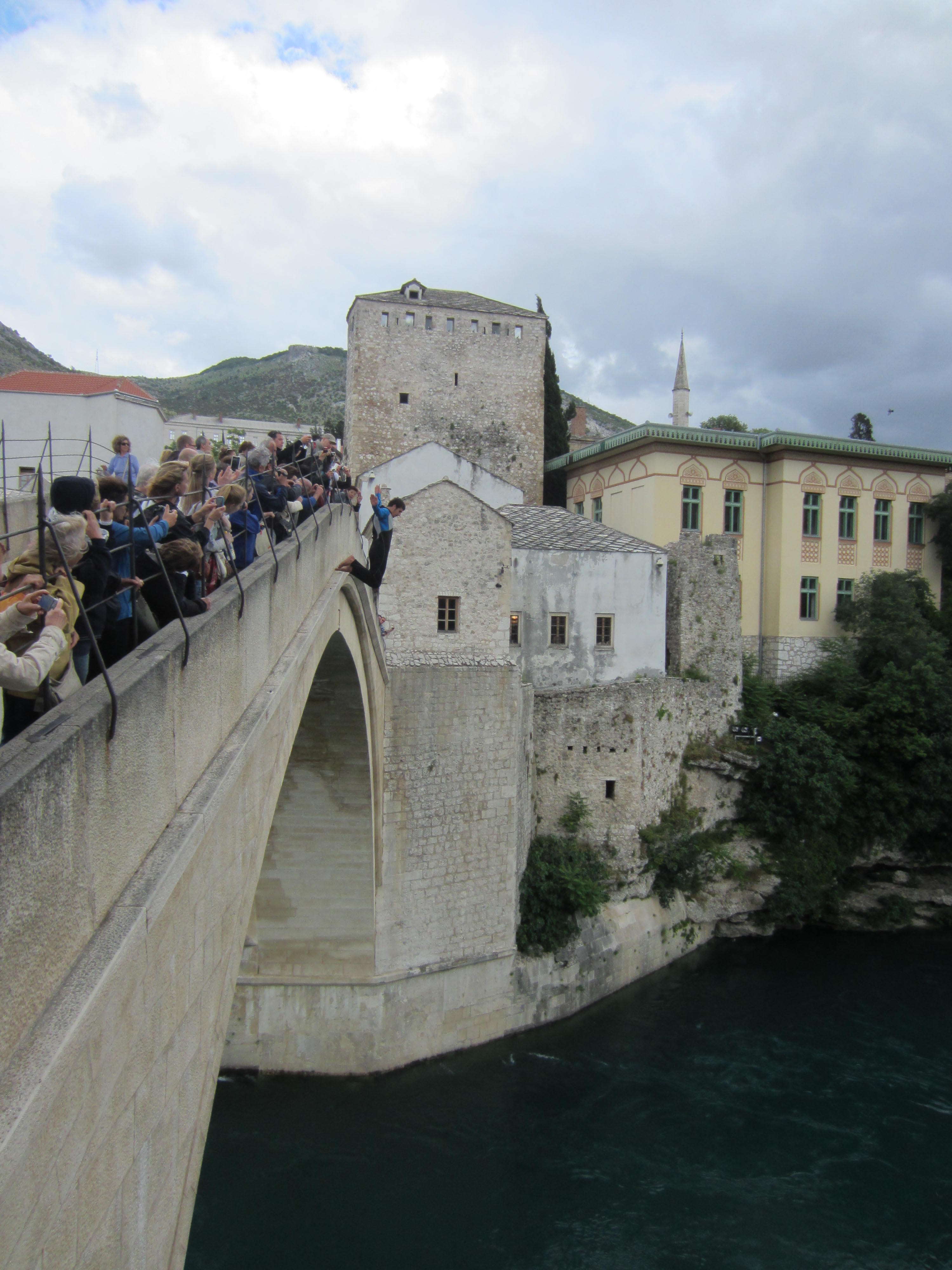
Mostar diver leaping from the bridge
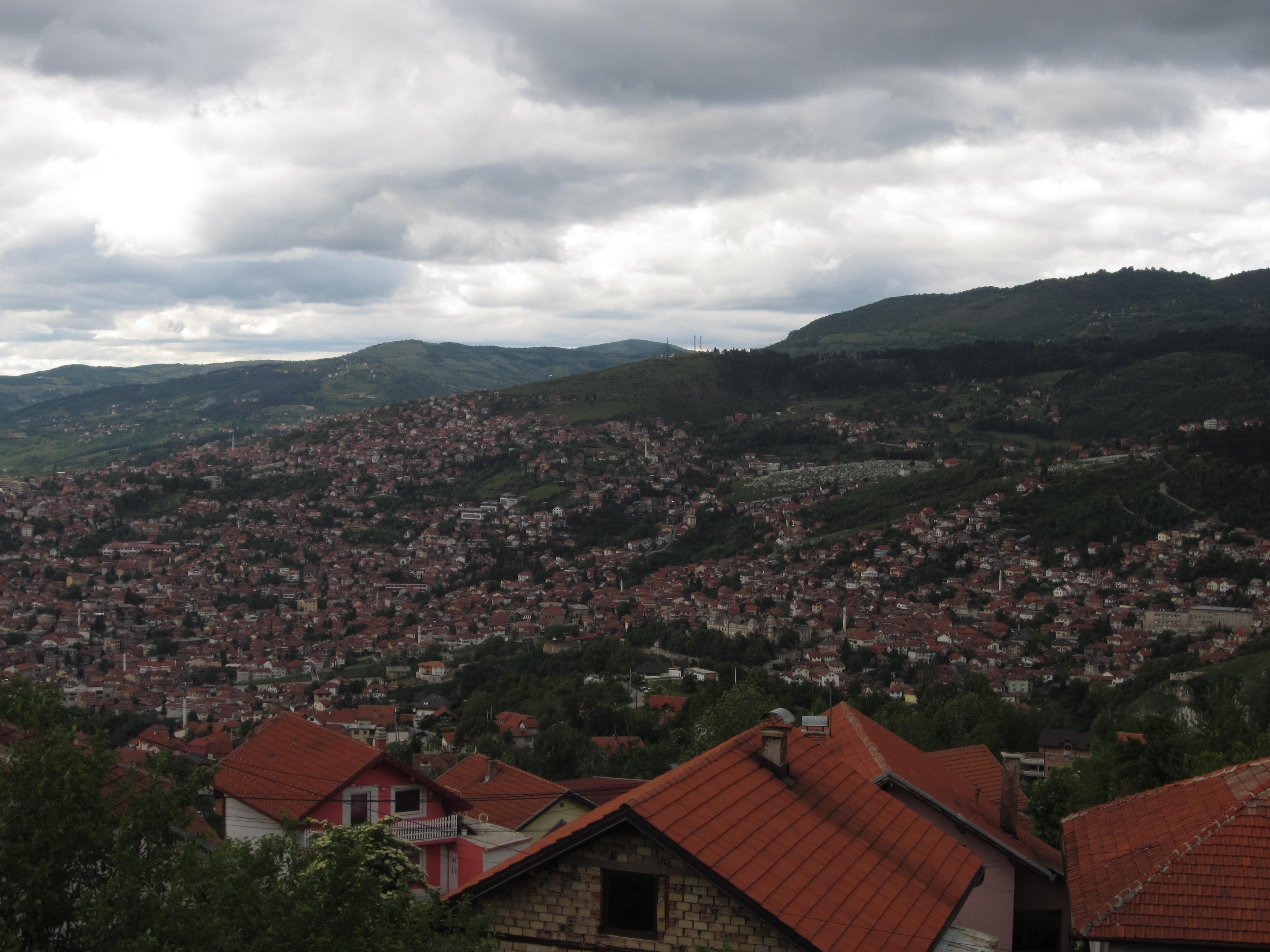
View of Sarajevo
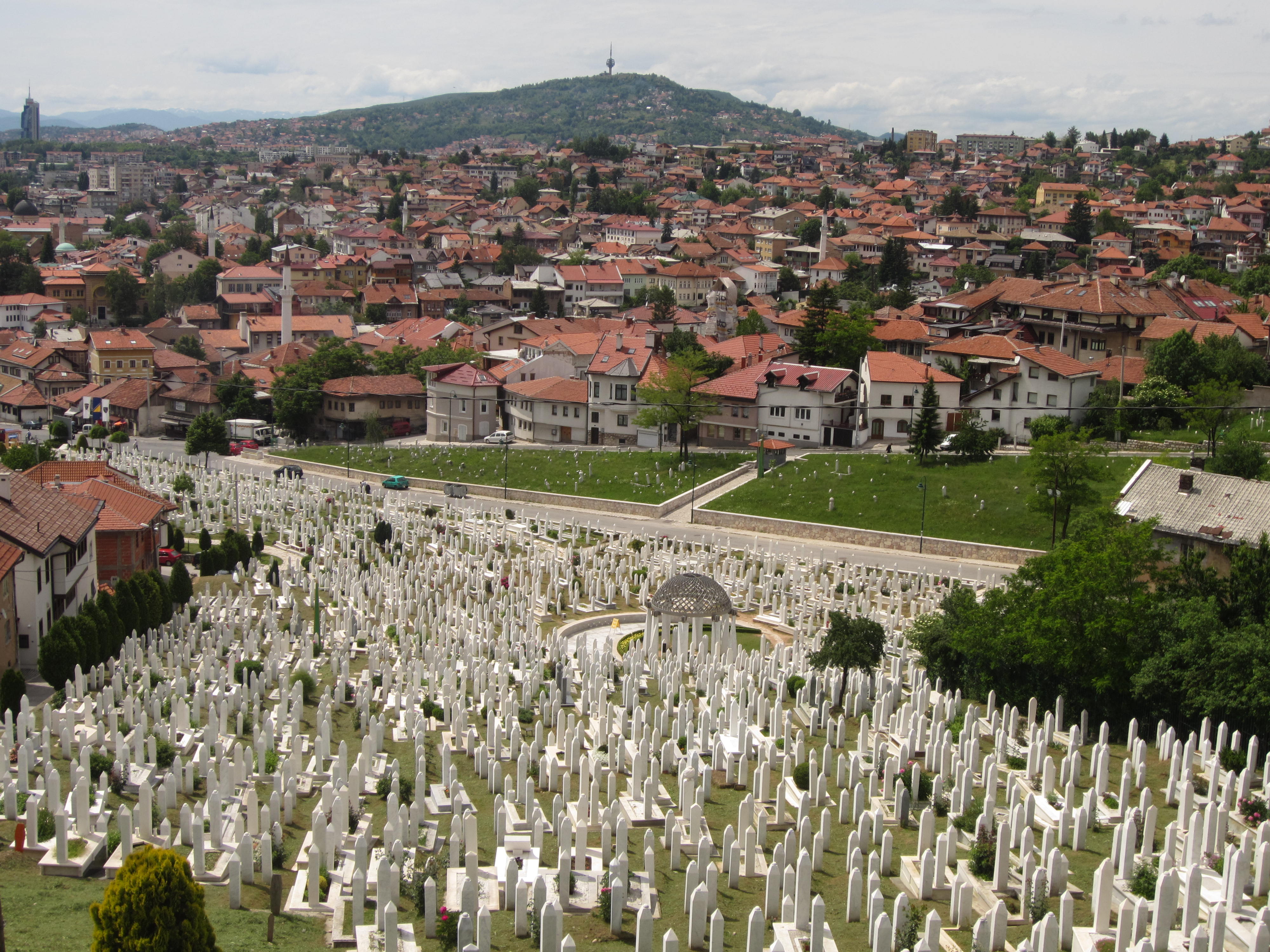
Cemetery and view
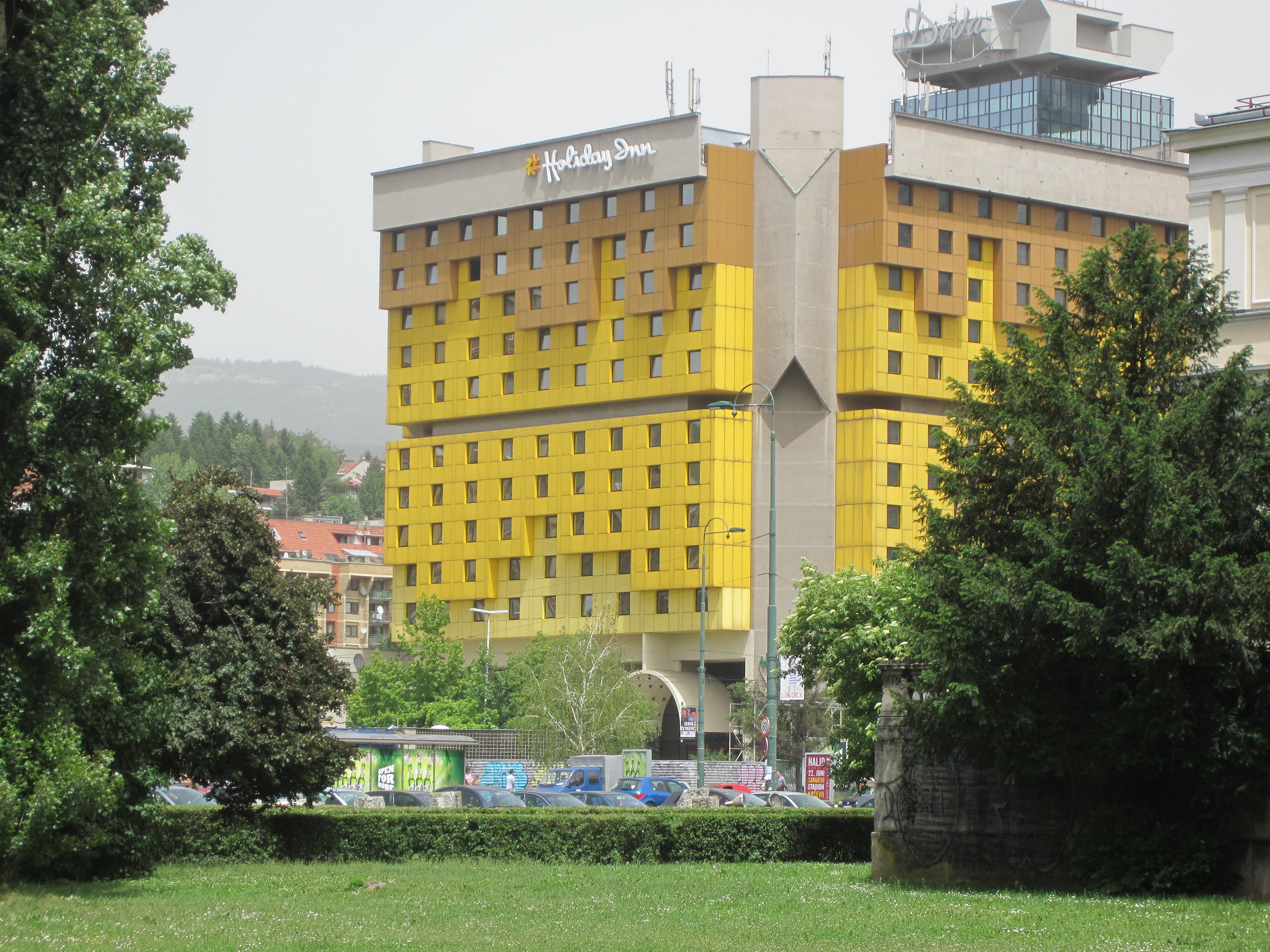
Holiday Inn of Sarajevo – famous for housing most international journalists during the war
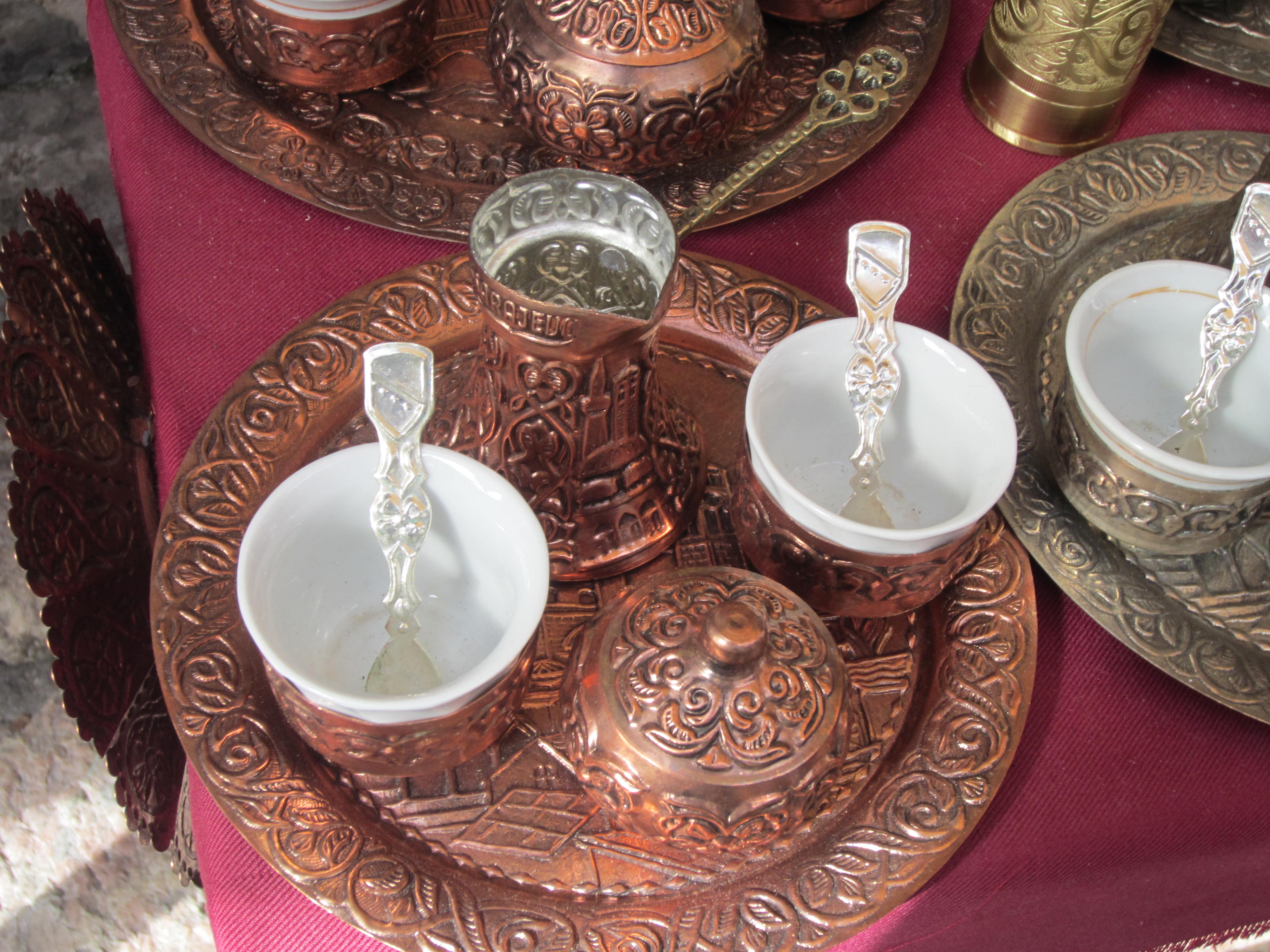
Bosnian coffee set

Medieval streets of Mostar
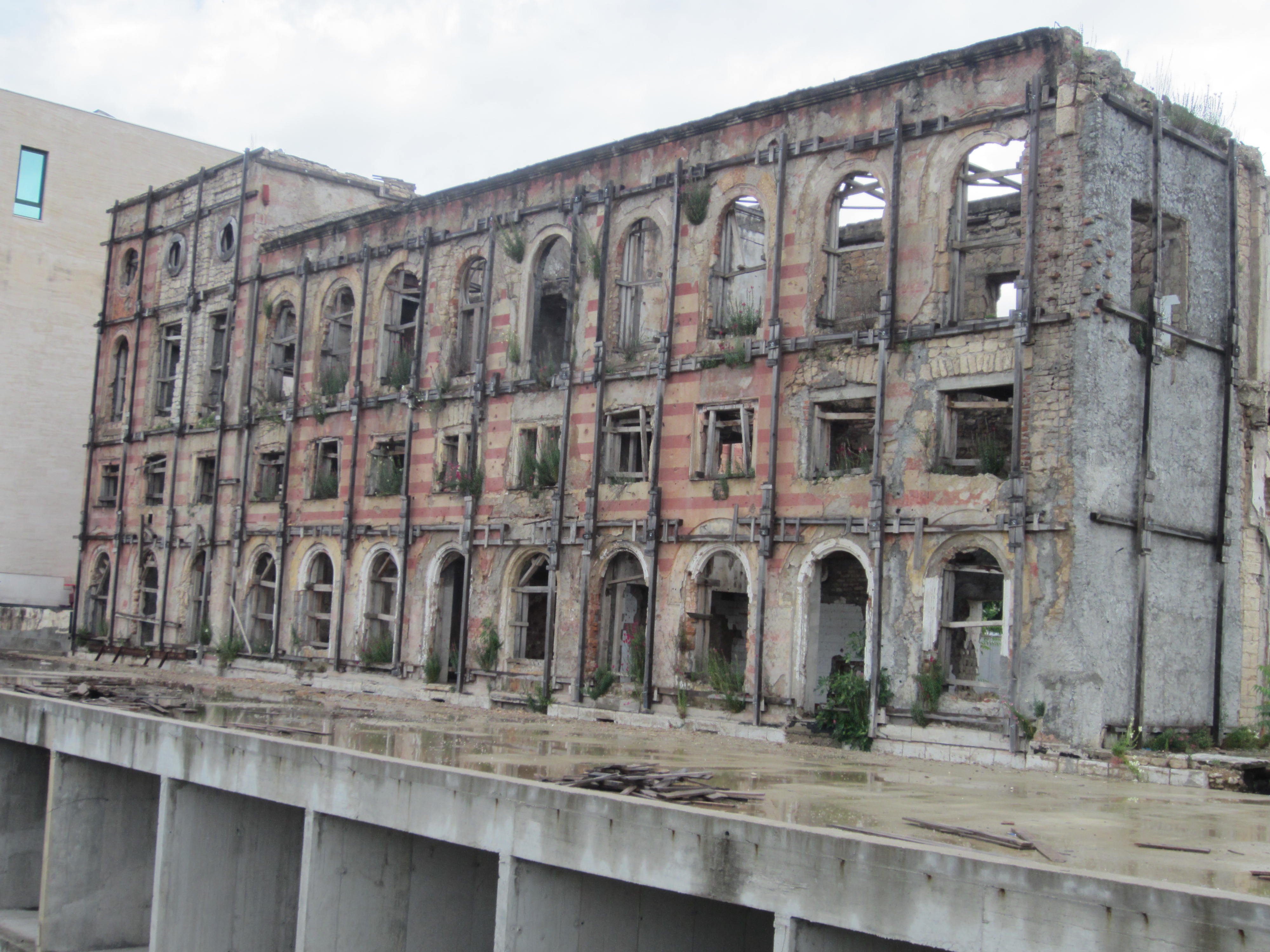
Bombed out hotel in Mostar

Mostar
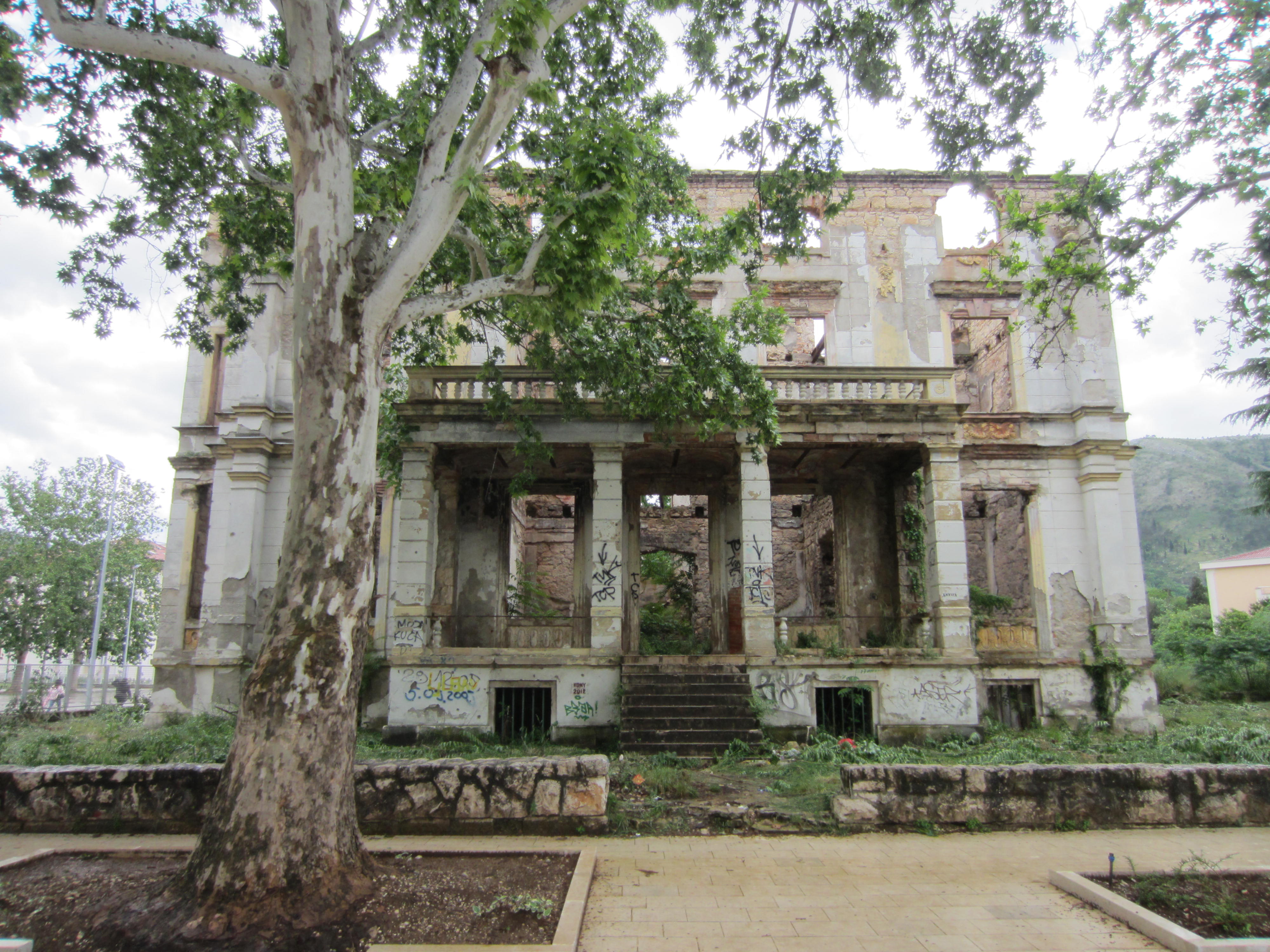
Old house in Mostar
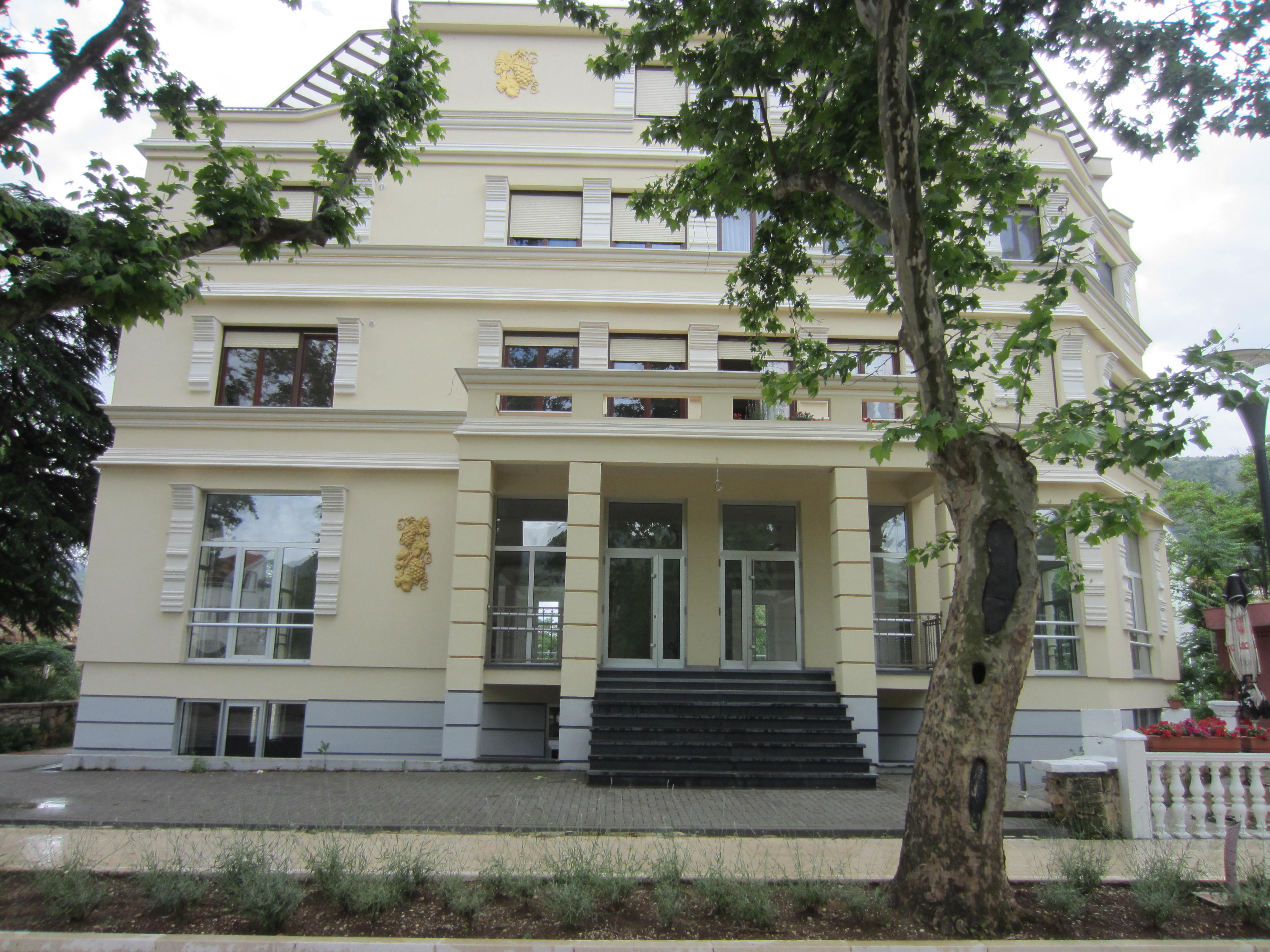
New house in Mostar

Behind us is the bridge that triggered WWI due to the shooting of Archduke Franz Ferdinand by a Serb
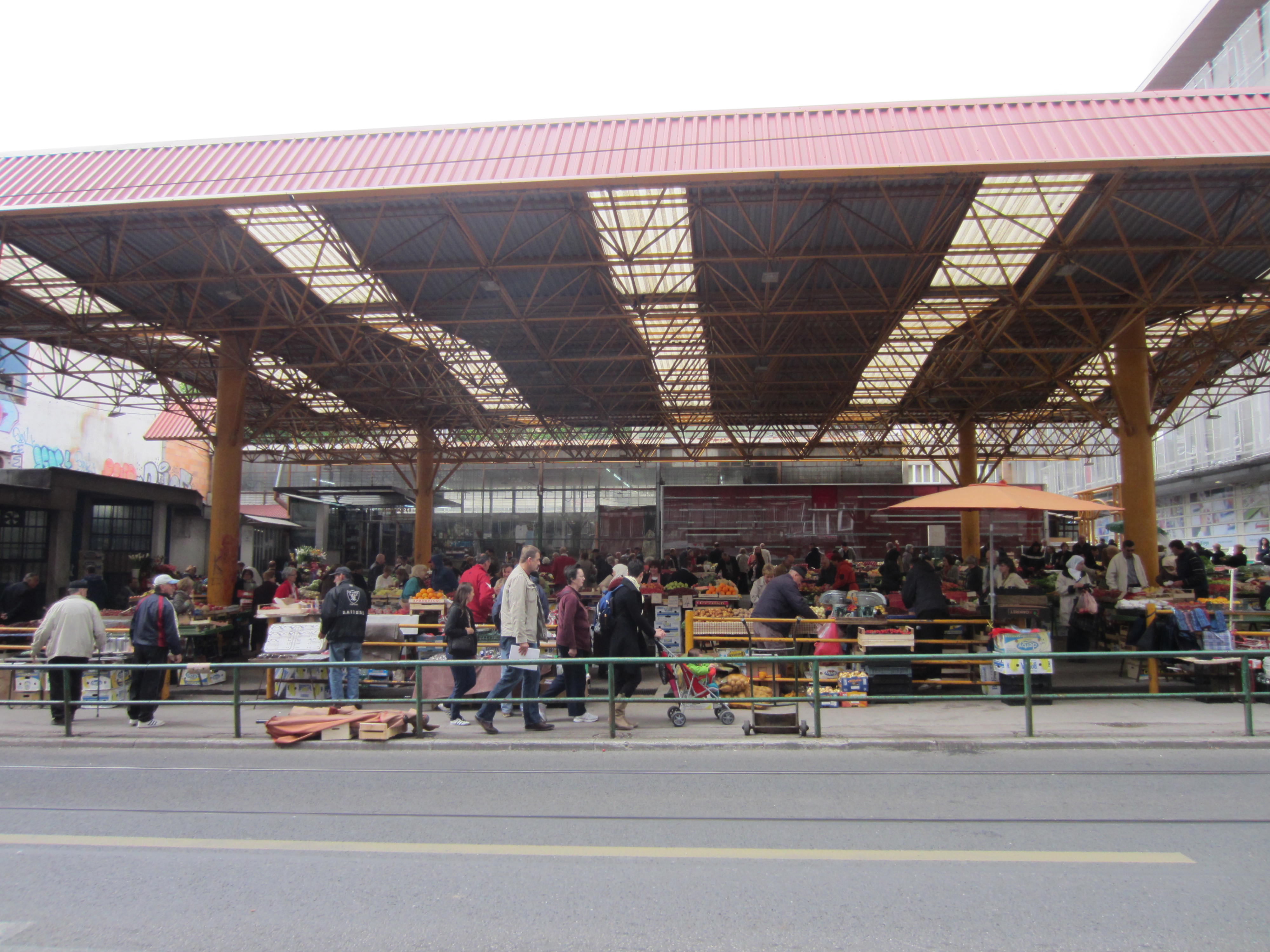
This market was bombed by Serb forces which was the last straw before NATO intervened militarily in Sarajevo

Sarajevo Rose – memorials all over town where someone was killed on the street
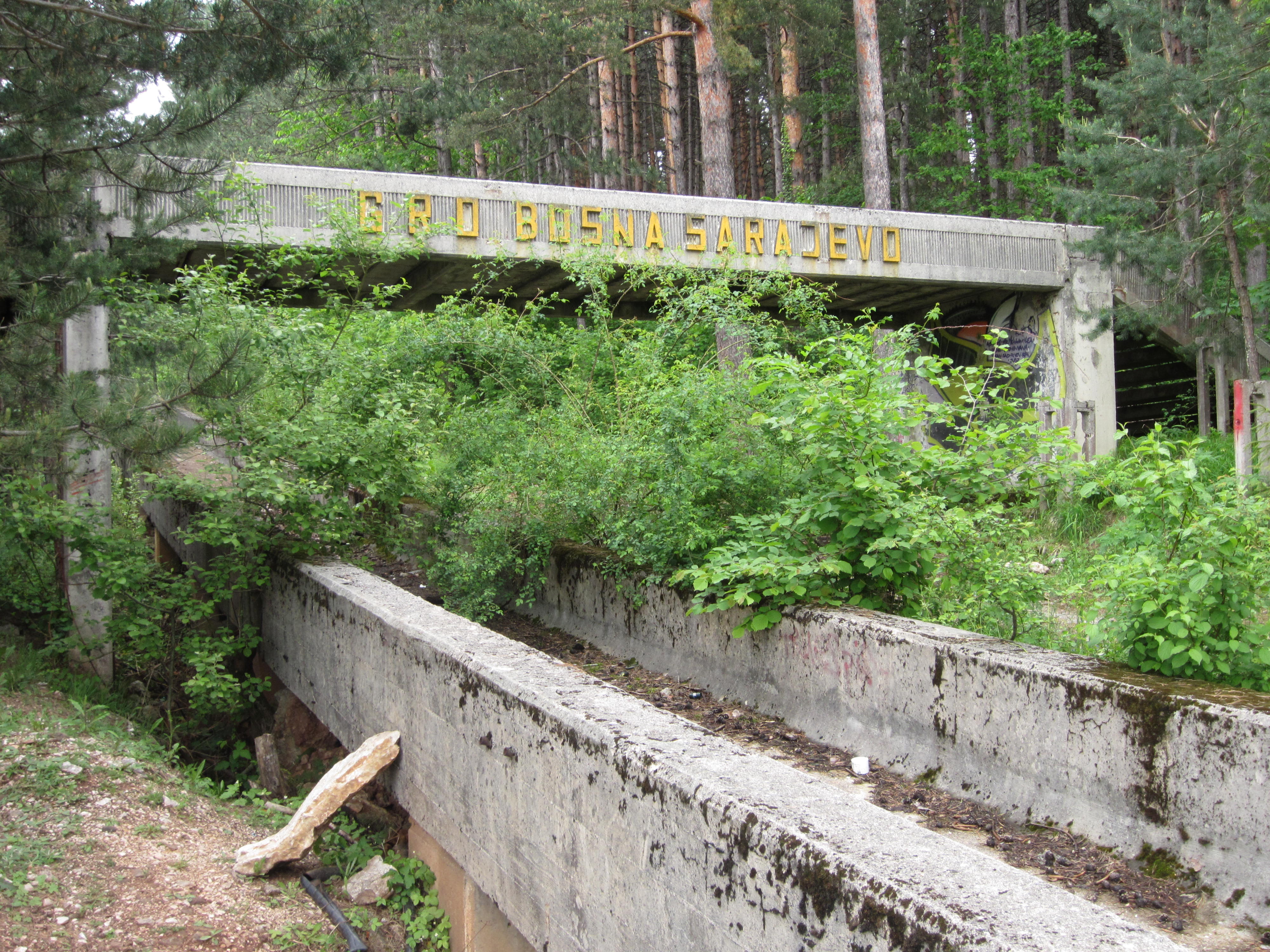
’84 Olympic bobsled course
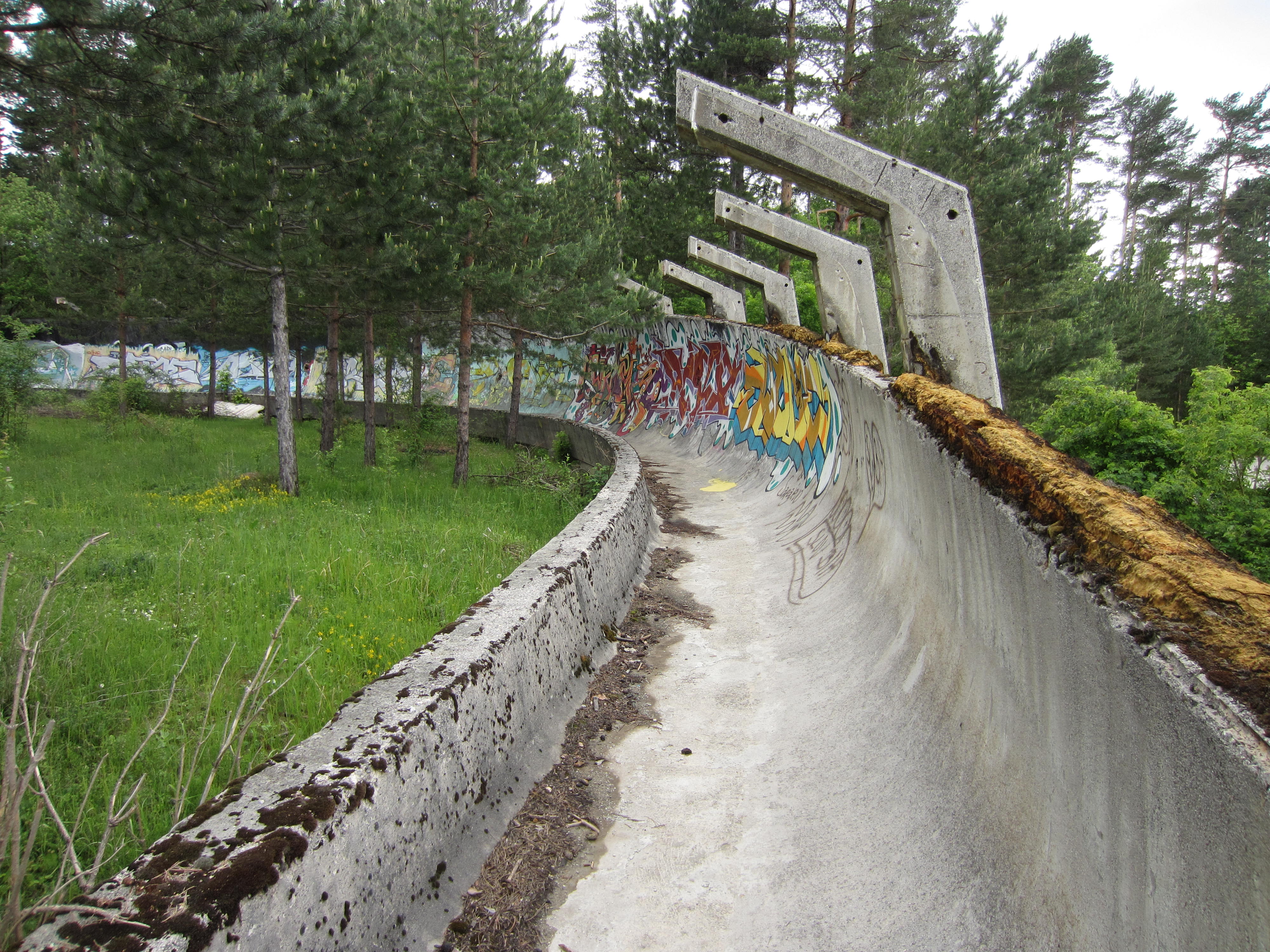
Remnants of the bobsled course
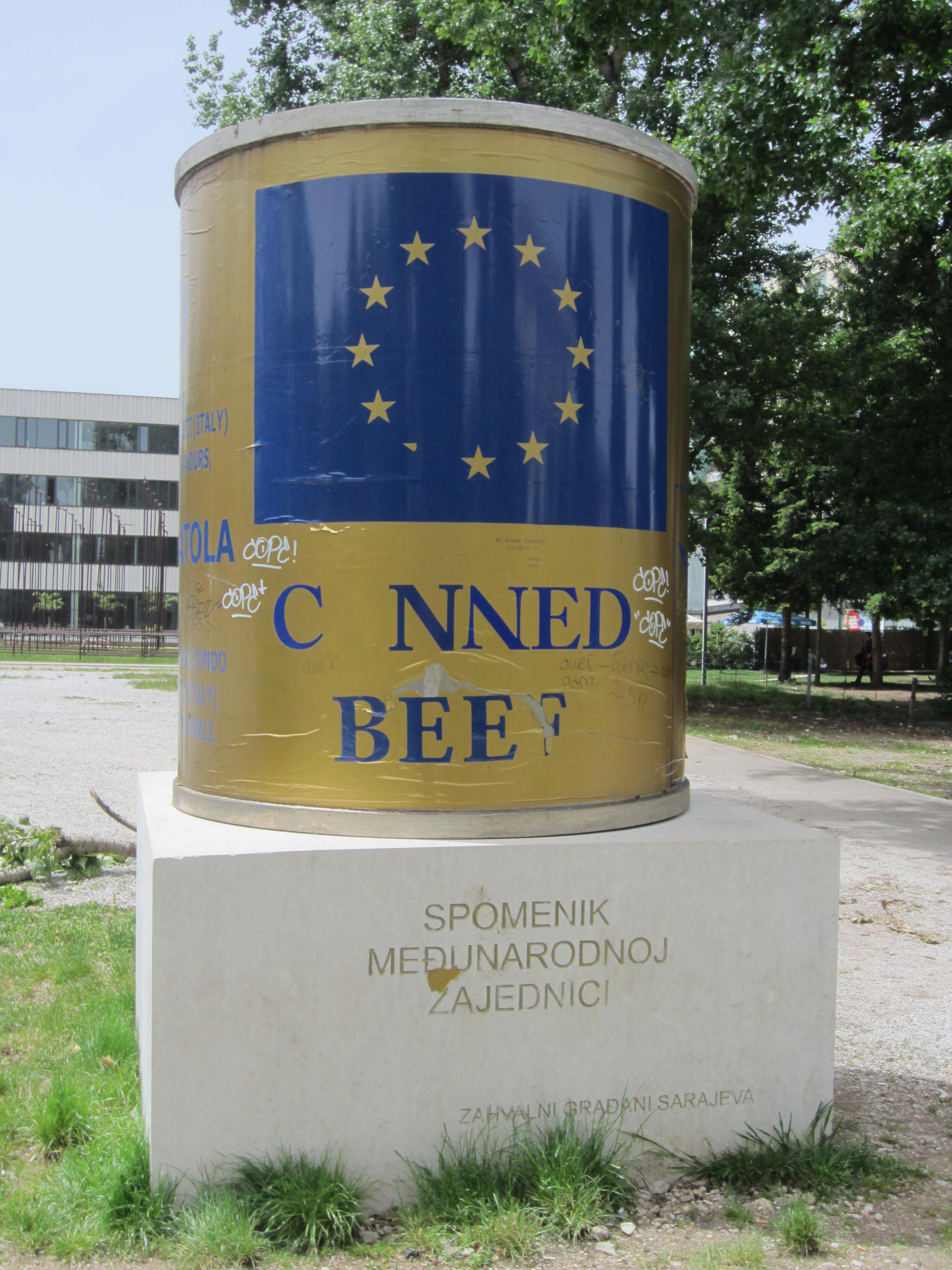
The (un)aid from the UN – a memorial to the people
We’ve spent the last week continuing our tour of the Balkans in surprisingly beautiful Bosnia. Prior to this visit, when I heard “Bosnia” I conjured up images of UN tanks patrolling the streets as they did so in the early 90’s. However, this mountainous country is incredibly beautiful, full of lush forests, streams and animal life, and I can understand why the 1984 Olympics were held here. The fact that less than 10 years after hosting the Olympics the country was under siege and nearly blown back to the 19th century makes this place (and the entire Balkan region really) one of the most fascinating places in the world.
We crossed over from Split, Croatia via bus to Mostar, Bosnia. Mostar is a small Ottoman town famed for its bridge jumping squad of young males from the Mostar Diving Club, who for a modest fee will leap off the 70 foot tall Stari Most (old bridge) into the freezing waters below. It’s akin to a high school prank a guy I know would do when he would run his head into a beam in the high school cafeteria, but only after receiving enough financial compensation beforehand to justify the stunt.
There are some incredible relics of the Bosnian War including bombed out office buildings, hotels and large homes, lying lifeless just outside the core of the old city. This was our first up close and personal experience with the devastation caused by the War. Unfortunately, the city is known not only for the devastation caused by the Serbian forces, but later for the cross town civil war that erupted between its Muslim (Bosniak) and Roman Catholic (Croat) residents. While we would encourage fellow travelers to make a stop in Mostar, we definitely spent one night too long and would recommend a single day for the sights.
A quick train ride through the Balkans from Mostar led us to wonderful Sarajevo. At first glance the run-down buildings, 60’s era tram system and rainy weather put a damper on our expectations, but after four days here we found Saraejvo to be one of our favorite cities on our trip. First, the city is located in a valley, surrounded by mountains. Walking a few blocks outside of the city center means you will encounter some steep uphill climbs, but they inevitably result in incredible views of the valley below. Second, the unique orientation of the Turkish quarter (think cobblestone streets, narrow alleys, mosques) backing up to the Austro-Hungarian district (wide boulevards, European architecture) is extremely unique. Saraejvo was simply occupied by two distinctly different empires that left their contrasting impressions on the city centuries later. Add in some exceptionally tasting and reasonably priced food and drink options such as the flaky goodness of Burek (pastry filled with meat, cheese or spinach), multiple stops at the Sarajevsko beer brewery, a great café culture, throw in some urban hiking and reasonably priced attractions and Saraejvo is looking pretty good.
We spent one afternoon taking a hike that the tour books or Trip Advisor failed to mention to do while in Sarajevo. We befriended some fellow Americans and hiked about two hours into the hills to the decaying bobsled course from the 1984 Olympics. This course was built with $8.5 million dollars and it is now in complete devastation. We have seen more than our fair share of ruins on this trip, anything from the temples of Angkor Wat to remnants of the Roman, Byzantine and Ottoman empires, but these ruins may be the most impactful, partly because they were in use so recently. The Serbian military used the track to hide out behind as they shelled the city of Sarajevo below and you can see the resulting shell holes and burnt cement throughout the course. It was kind of creepy being up there as we were the only people in sight and it was eerily quiet. I also couldn’t stop thinking about stepping on a UXO (unexploded bomb) the entire time we were off the path. However, it was well worth the climb to see this once amazing, but now devastated course. If you have time you should Youtube it to see its past and present condition.
The city of Sarajevo is a trying city, trying to develop, trying to attract tourism, trying to modernize but at the same time retaining its classic architecture, trying to lower its unemployment and poverty rates, trying to live in peace and still trying to remember those unbelievably horrific times but looking forward to the future. It’s hard to imagine that almost everyone over the age of 21 has some recollection of the War. Be it racing between UN tanks at city intersections to avoid sniper fire while on your way to work or receiving an education in the basement of an apartment building with no heat in the middle of winter, these resilient people are looking towards a brighter future. However, it has not and will not be an easy task. For all Bosnia and Saraejvo have to offer, their infrastructure is abysmal; reduced international train service, limited airport connections, closed or dilapidated museums. In addition, the country is effectively split into two geographic areas, populated with Serbs on one side and Bosniaks and Croats on the other and far less integrated than they once were. Add in the five “presidents” and over 100 political parties and it’s obvious why not much is accomplished on a legislative level. Bosnian politics actually makes the US system look good!
On a final note, Adena is a Bosnian name and is constantly asked about it. Who would’ve known!? Next up, Serbia.
 wheresmyberger