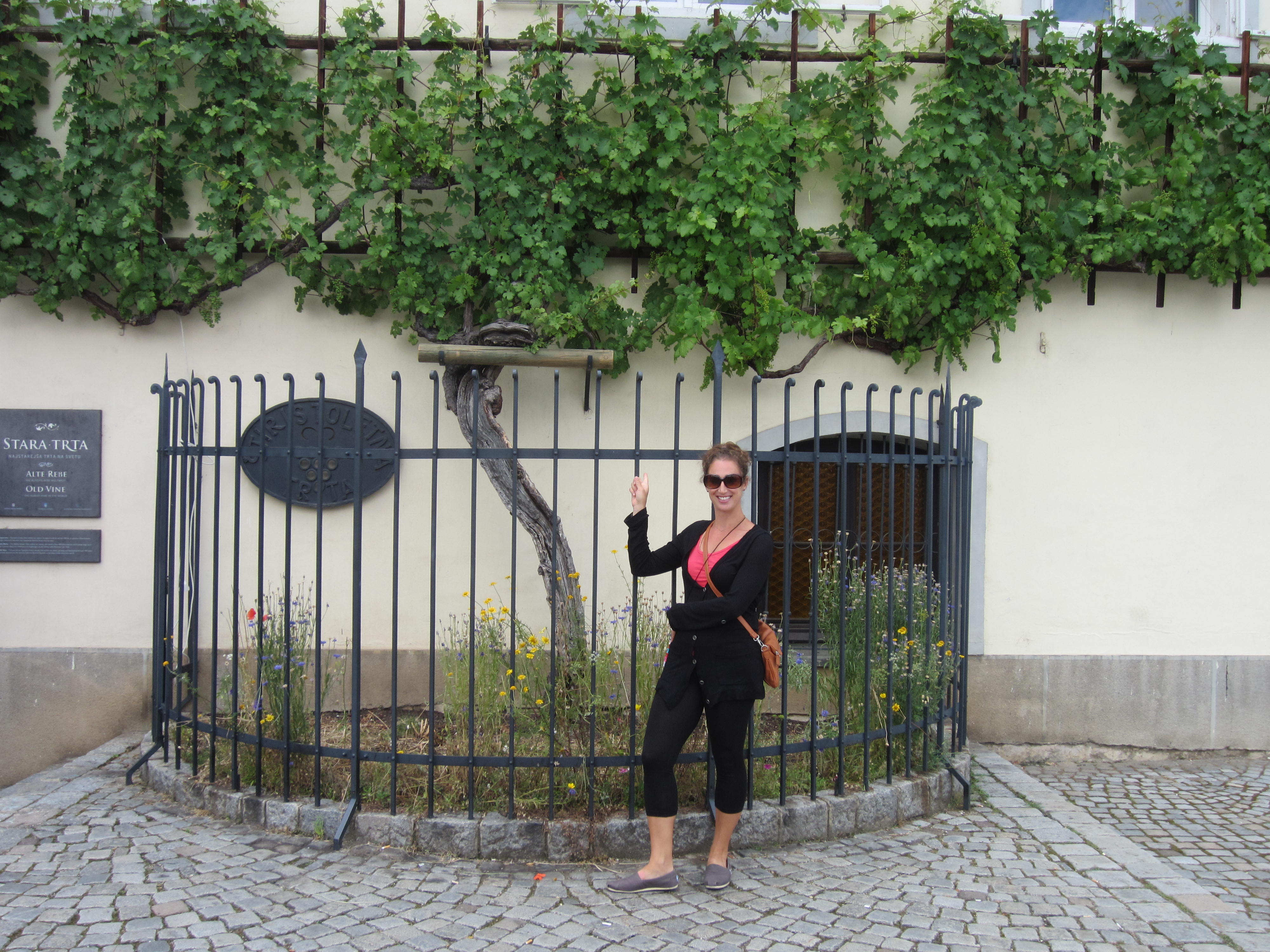
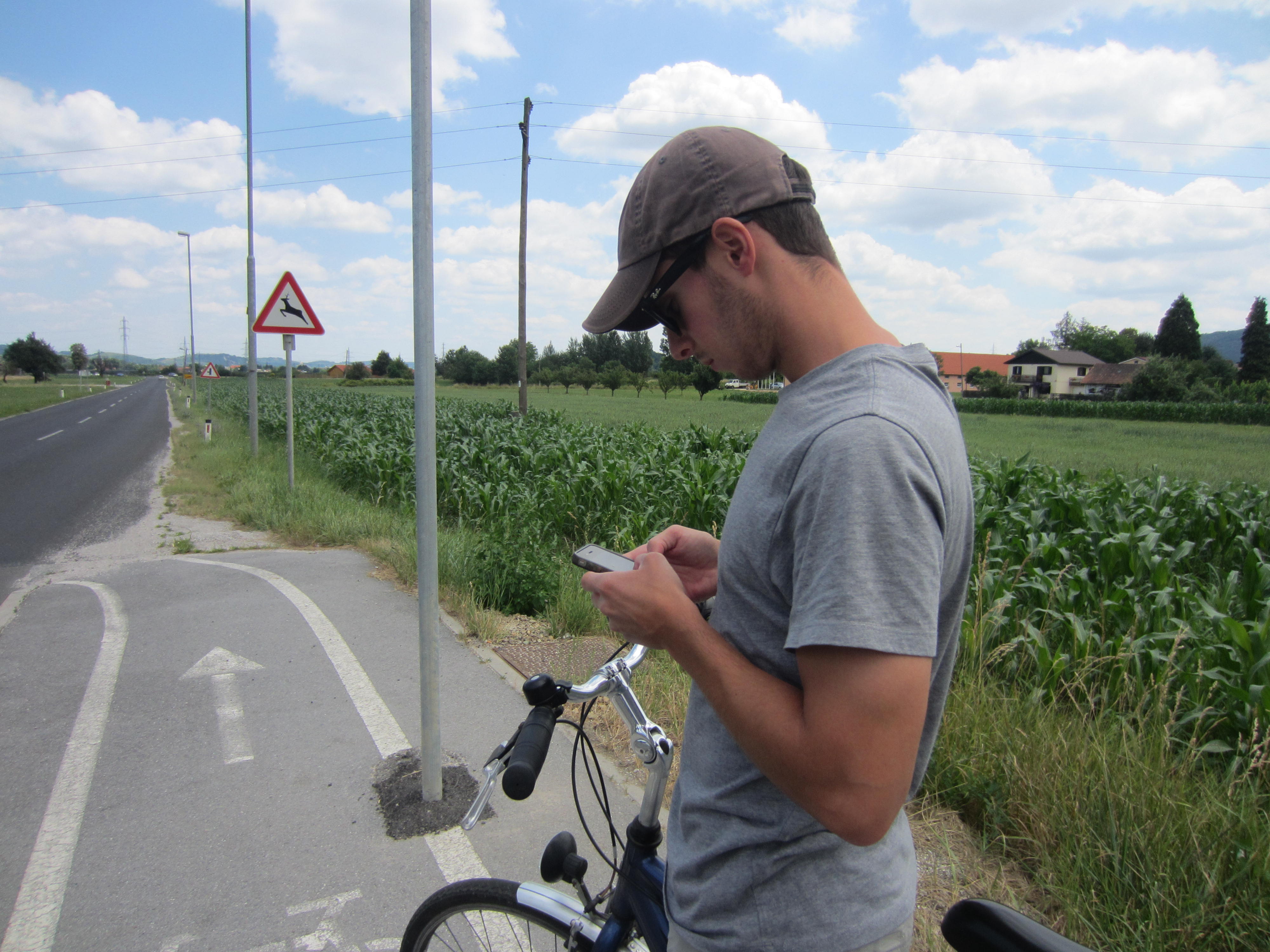
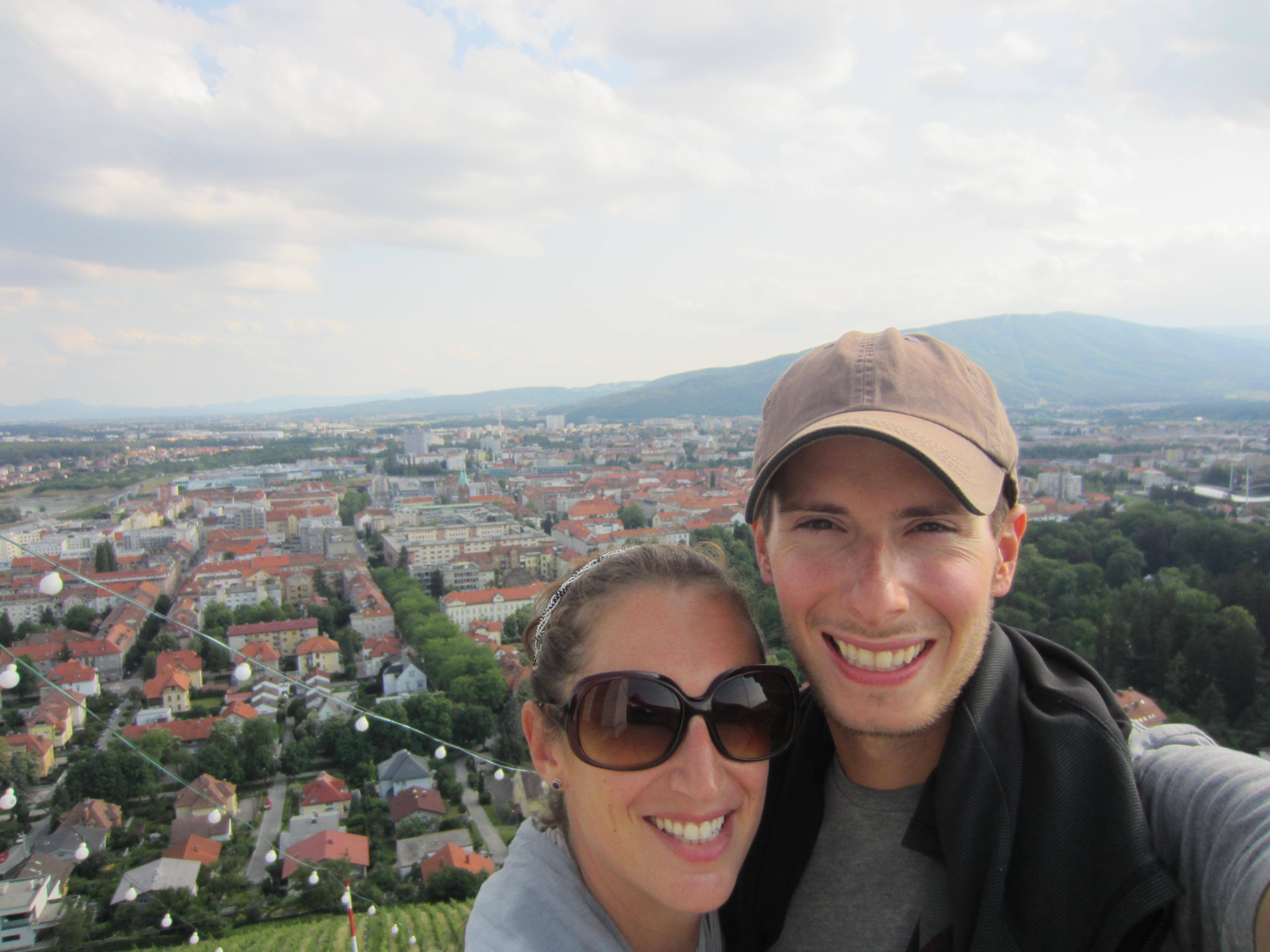
After spending a week enjoying our final Balkan stomping ground of Slovenia, it was sadly time to move on. After Ljubljana, we spent a couple of days exploring the city of Maribor in NE Slovenia before heading to Vienna. Maribor was the 2012 European Cultural Capital (whatever that means) and was in the midst of a two week waterfront festival with live music and food tents, not unlike an event you might find stateside. However, as we putzed around the waterfront at 10PM on a weekday it was clear that Slovenians of all ages have no problem with a bit of a weekday bender. By day, we rented bikes and obviously got lost trying to follow a bike route through the countryside. It was a valiant effort nonetheless.


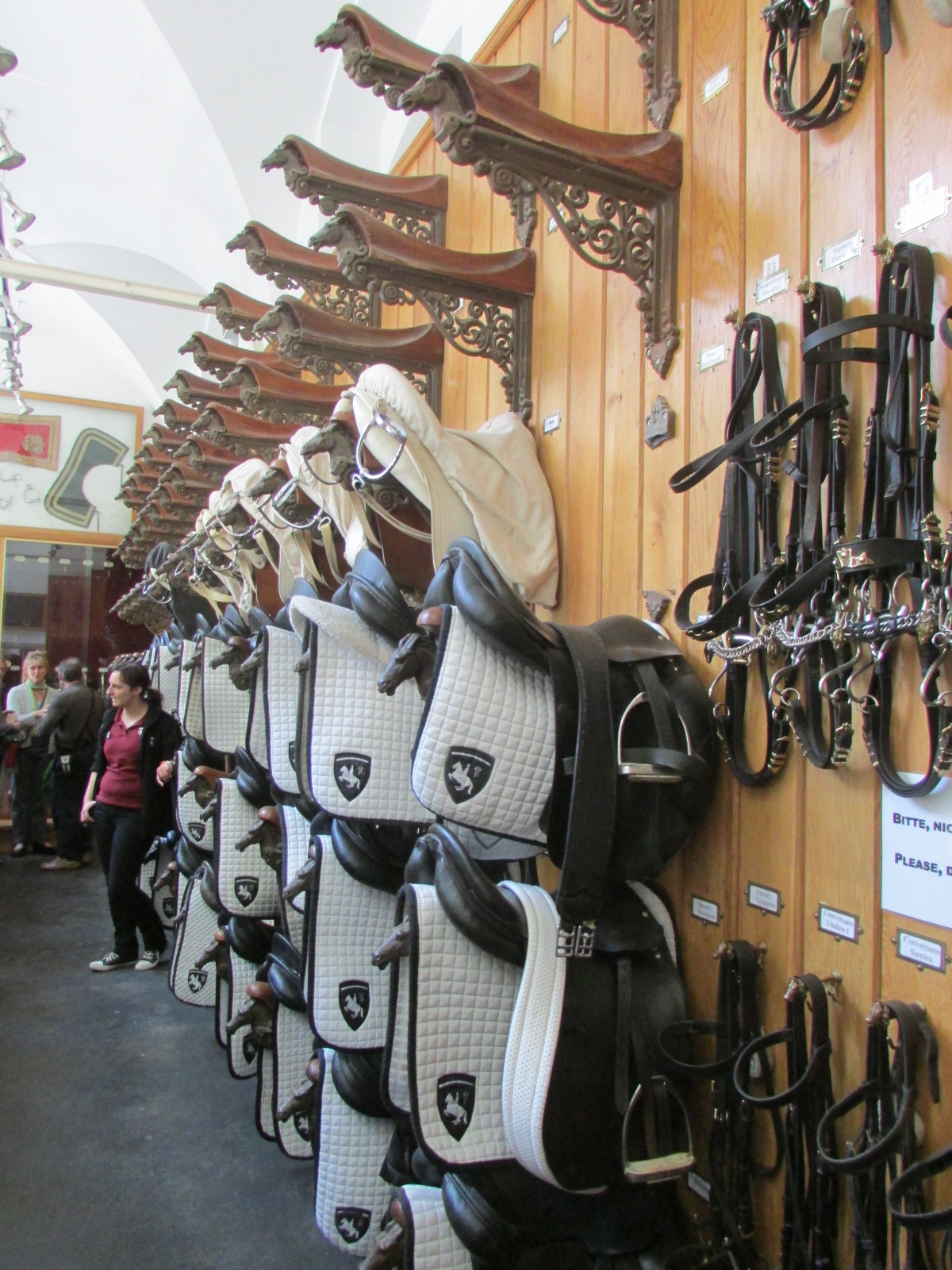
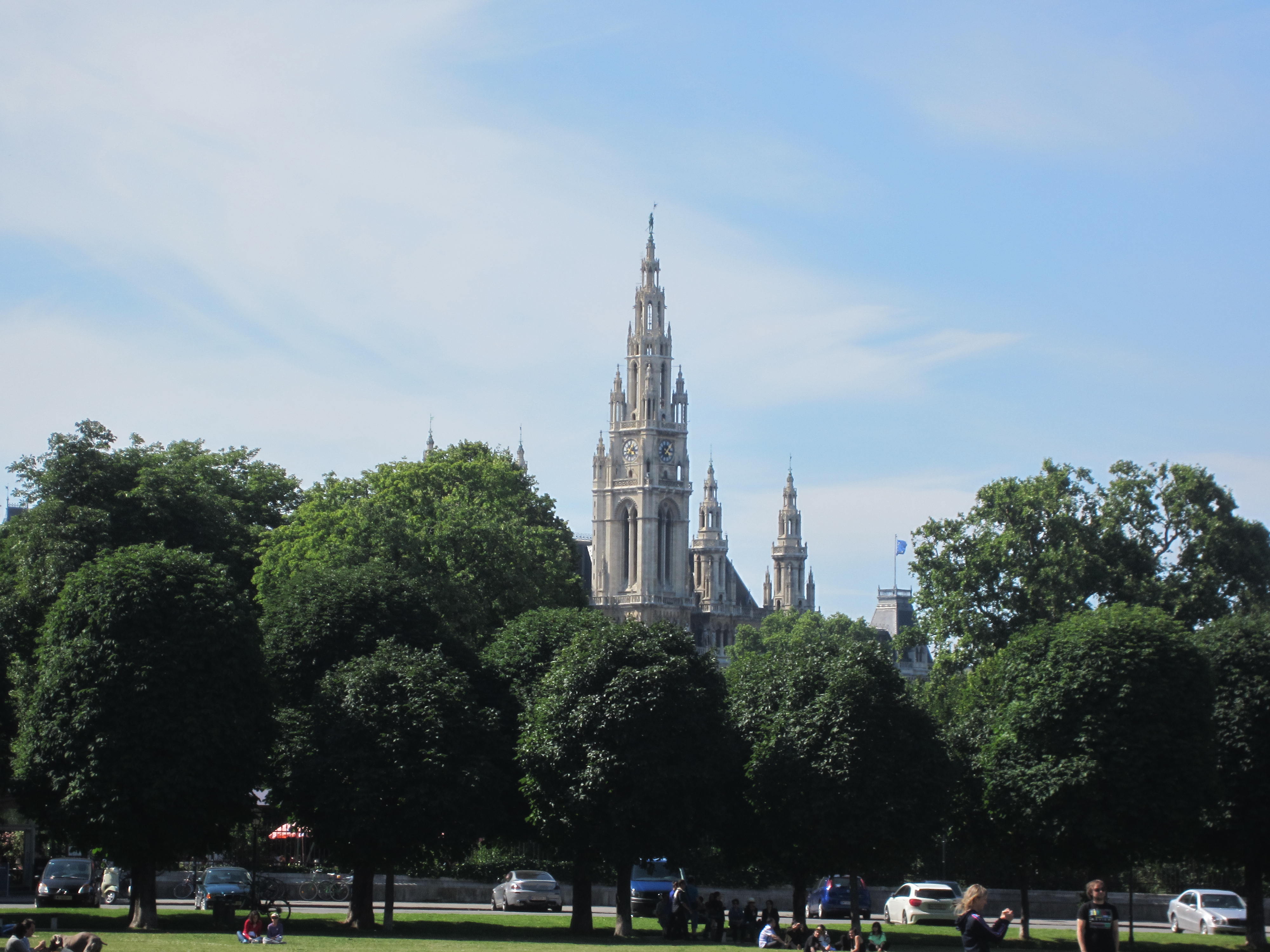
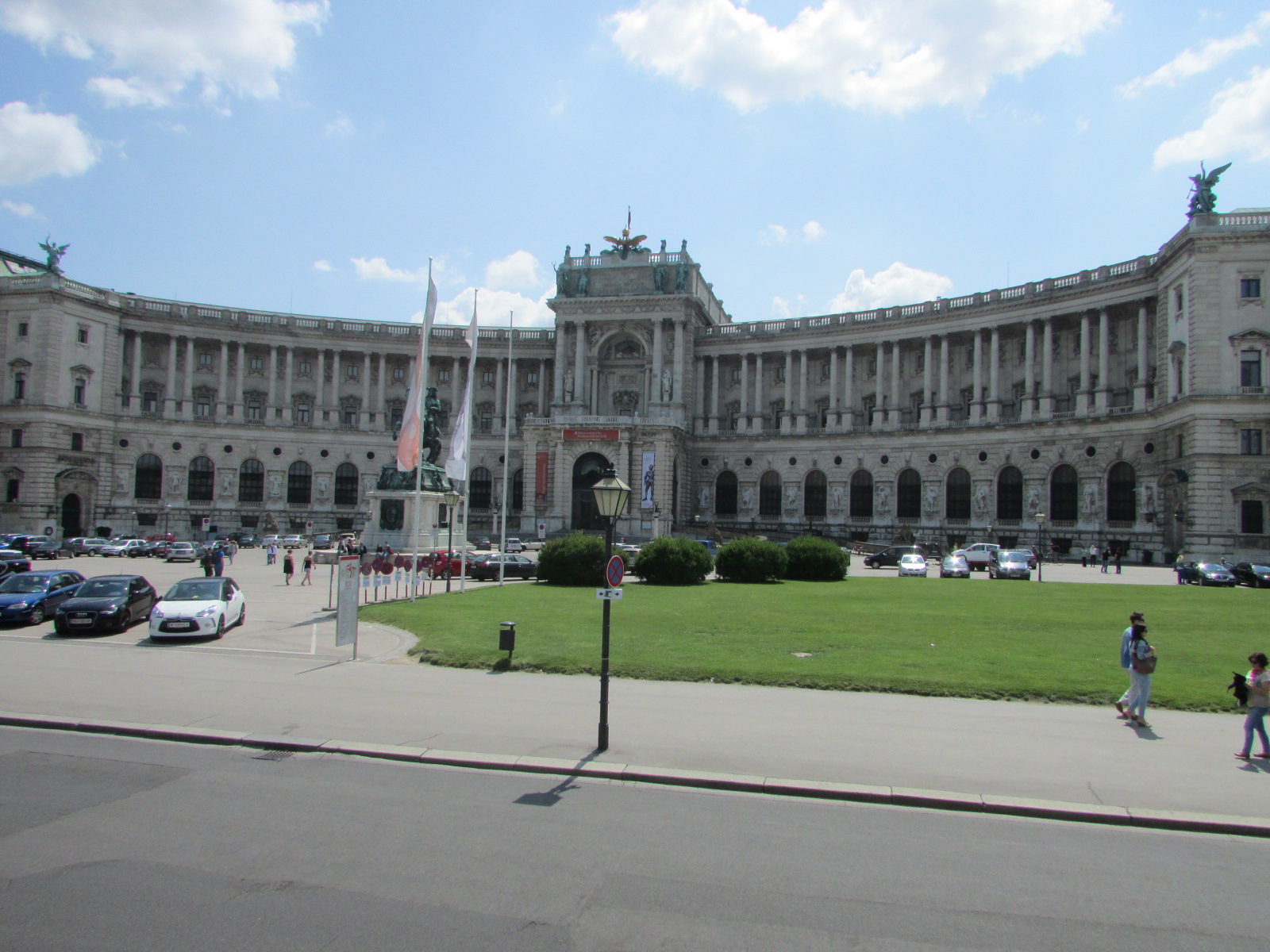
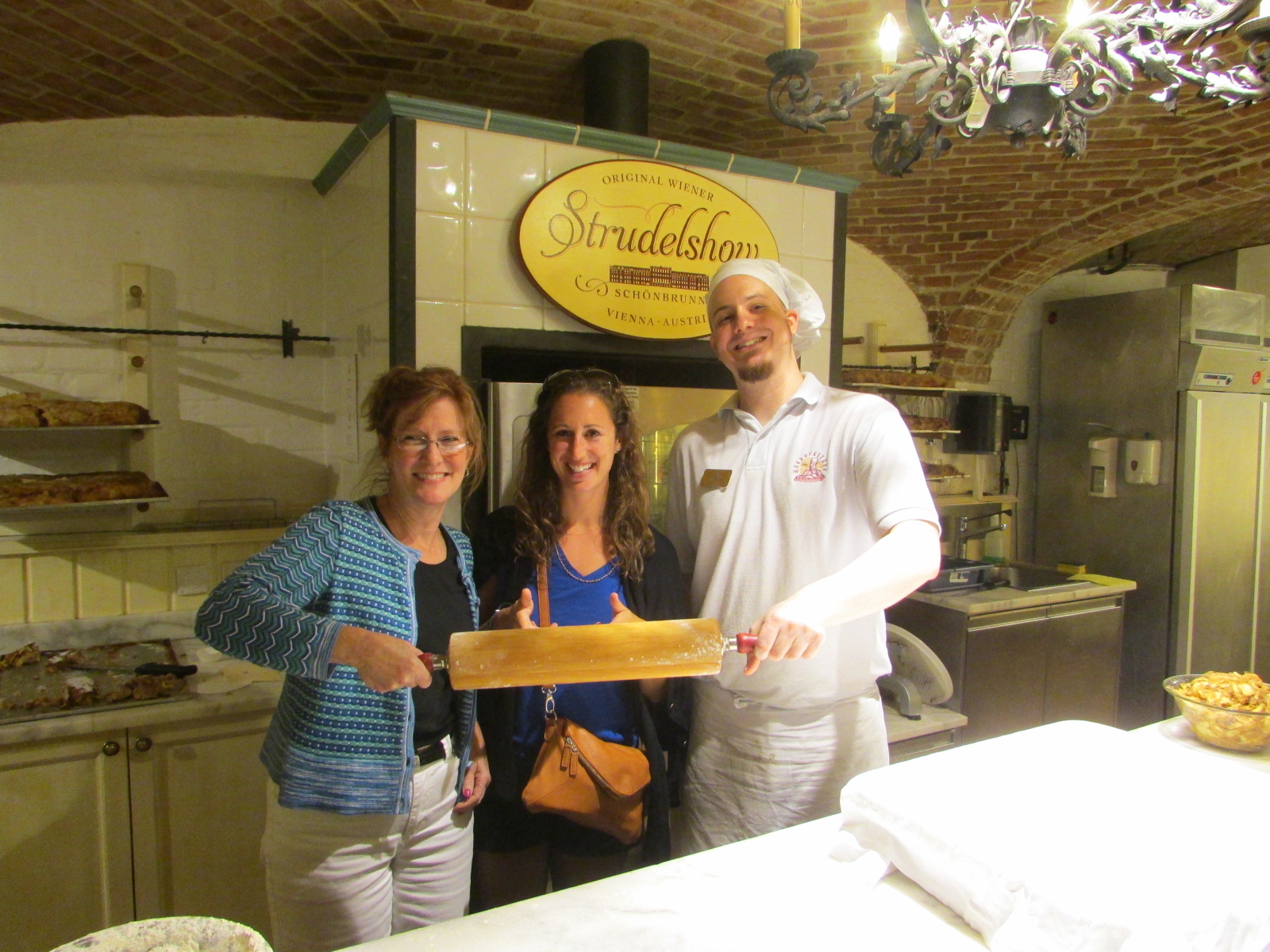
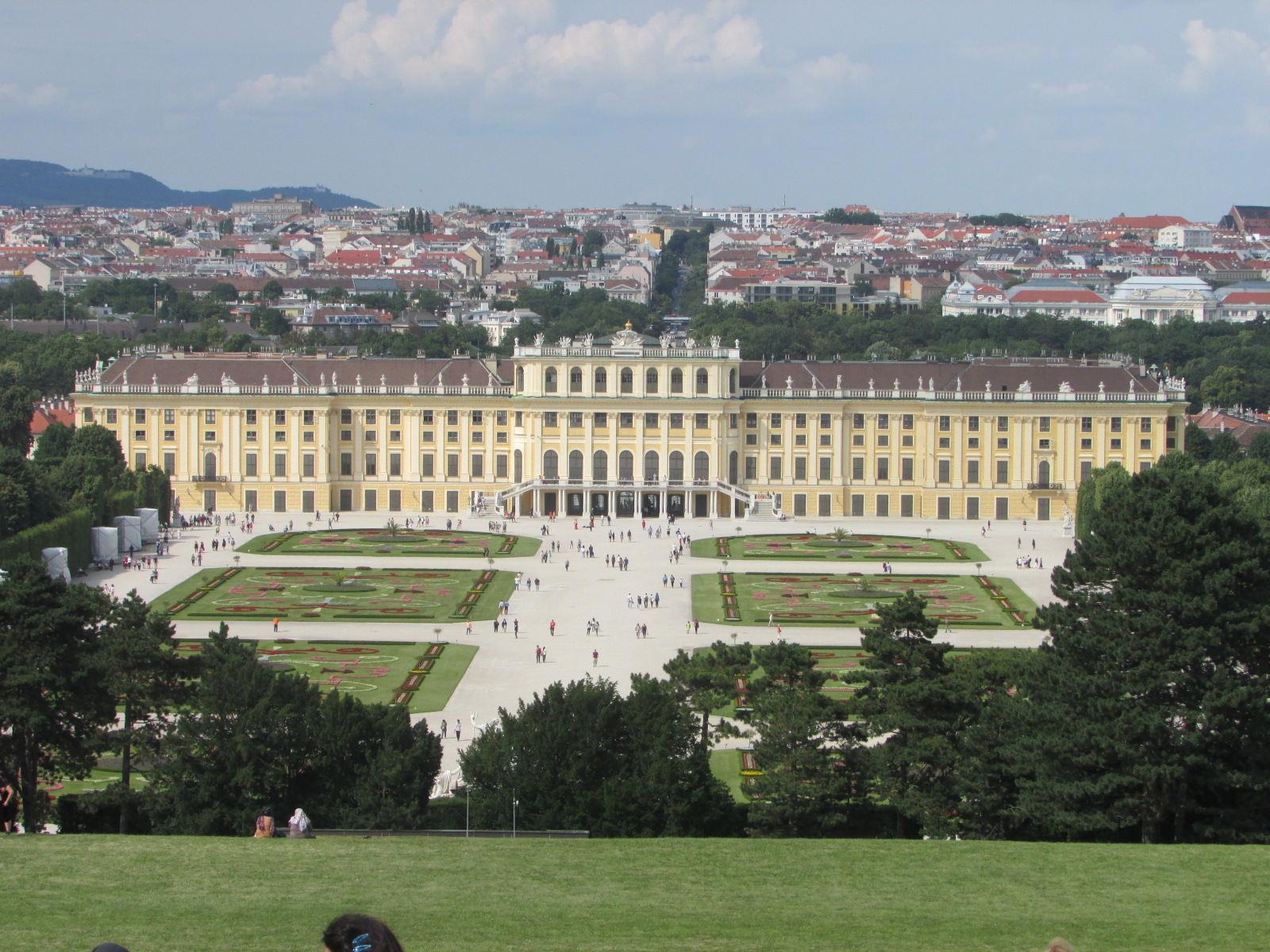
Departing Slovenia, we took a scenic train ride from Maribor through the mountains and arrived in Vienna a few hours later. We were very anxious to arrive in Vienna for a few reasons. First and foremost, we were excited to see Andy’s dad and step-mother, who were finishing up a couple of days of sightseeing in Munich and Salzburg. Secondly, it was important for us to see the epicenter of the Hapsburg Empire and originations of the famed Austro-Hungarian architecture. Over the prior months, we visited multiple cities that were once part of the Hapsburg Empire (Prague and Budapest) and later the Austro-Hungarian Empire (Balkans). While buildings in Budapest and especially Prague were immaculately preserved, Sarajevo and Belgrade’s relics had seen better days. However, nothing compares to the sheer grandness and pristine condition of the structures in Vienna. Everywhere you looked you were confronted with an enormous palace, state house, museum or concert venue that was more impressive than the last. Literally, if we took a building the size and grandeur of the White House and placed them on every block in DC, you might have an idea of what Vienna feels like. Courtesy of the parental units, we were actually able to participate in some touristy activities that are usually outside of our budget, such as a Vienna bus tour and entrance into the Schonbrunn Palace. We had a great time exploring the Schonbrunn Palace and were amazed to find that it was only used as a summer residence. Talk about living in excess. We also took a tour of the Spanish Riding School. Just something to think about, they have over 80 stables in the middle of downtown Vienna, inside an enormous palace with an indoor and outdoor practice and performance areas. The horses don’t know how good they’ve got it. Also, something the city did very well was to transform many of the former private palace gardens into public parks with beautifully manicured gardens. As budget backpackers, we enjoy free things, so ipso facto, we love parks.

After consuming heavy doses of schnitzel and spending some very much appreciated family time together, we were off to Venice. After a sequence of metro, train, bus and again train, we finally reached the “sinking” city of Venice. Yes, Venice might be one of the most touristic cities in the world and not somewhere any backpacker should go on a budget, but despite the high prices and the throngs of packed sightseers, it is simply an incredibly striking and romantic city. There are ways to do Venice on a budget and I will share our secrets with you:
1) Take the Vaporetto water bus from the St. Lucia train station to St. Mark Square and download Rick Steve’s free podcast to listen to while you cruise the Grand Canal. This is a great way to see and better understand the Grand Canal for only 7€ a pop.
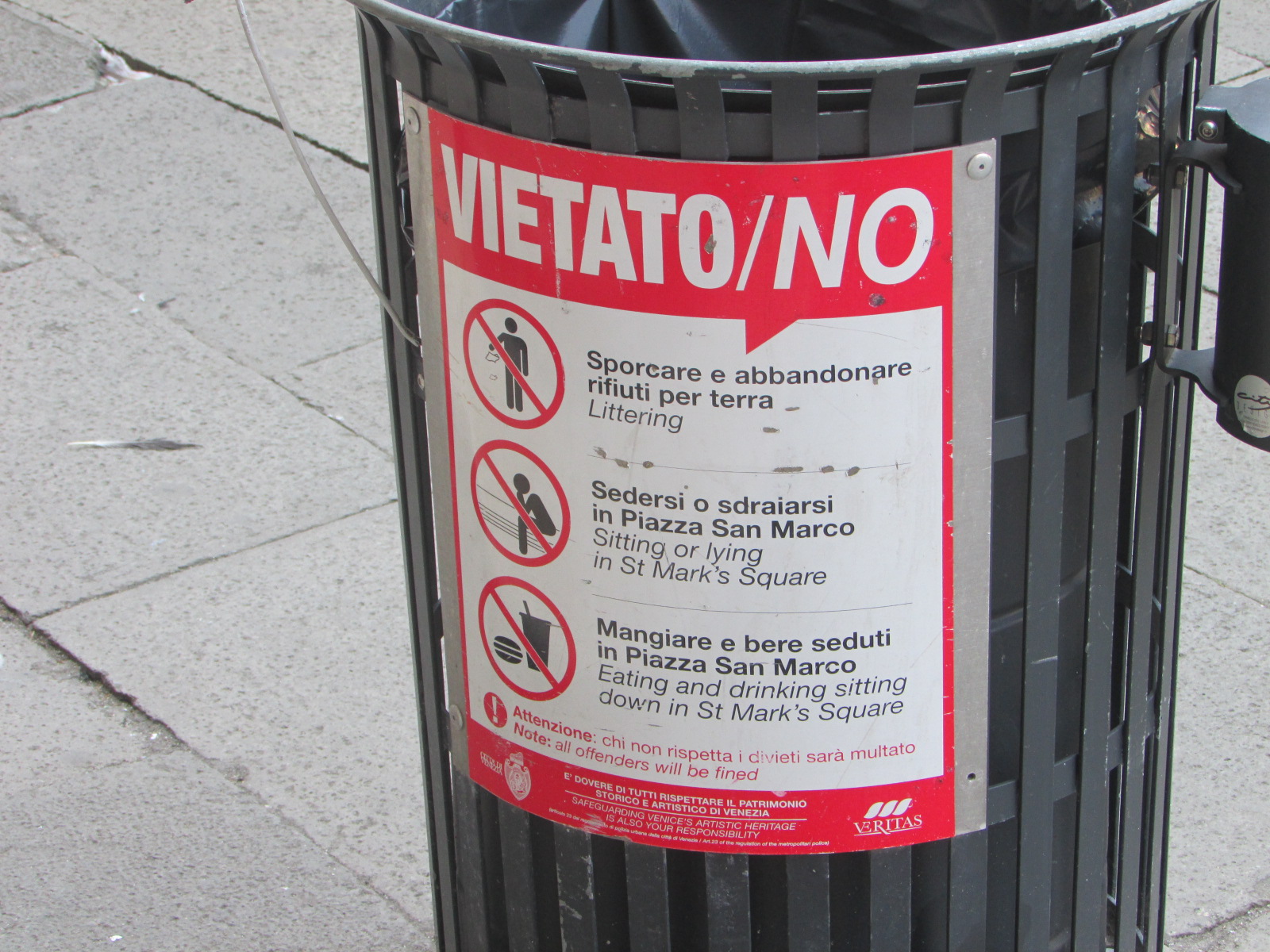
2) Eat at supermarkets and snack bars, remain standing to avoid the cover charge of sitting at a table (If you take food to go, beware Venice has a “no picnicking” law)
3) Take the Traghetto ferry (public gondola) for 2€ across the Grand Canal and skip the pricey Gondola ride.
4) Take a free walking tour with Venice Free Tour to discover little known gems of the city.

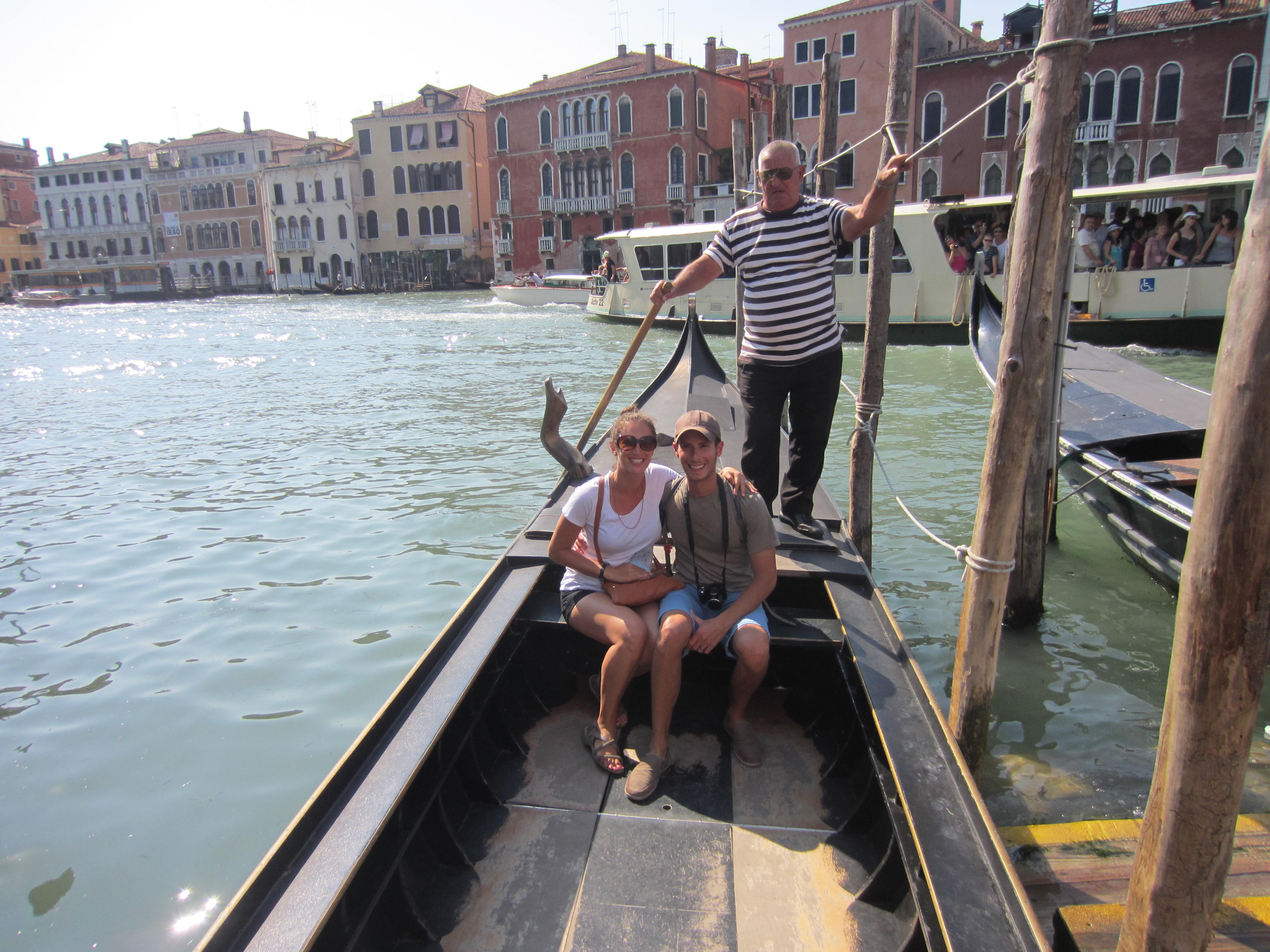

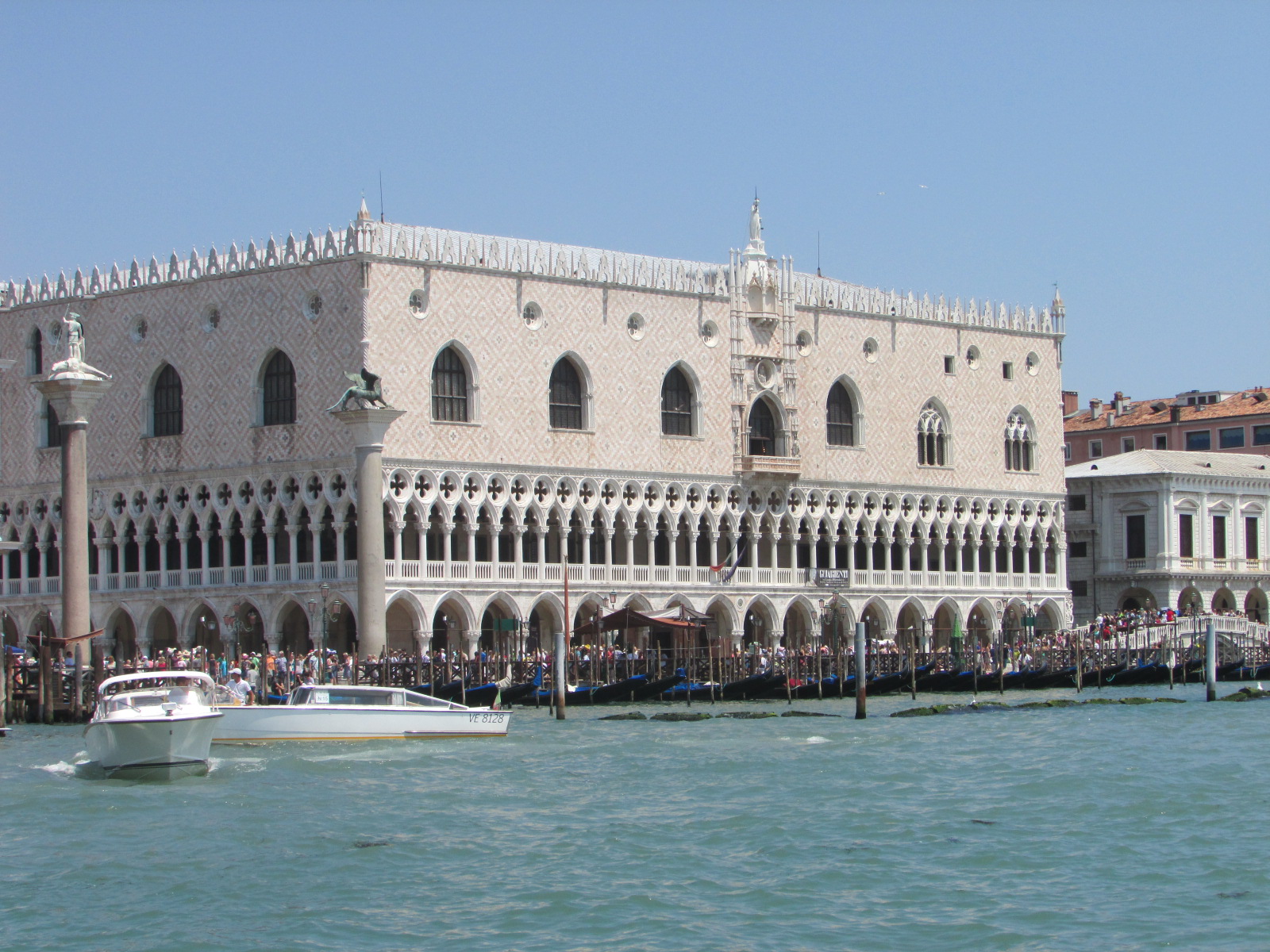

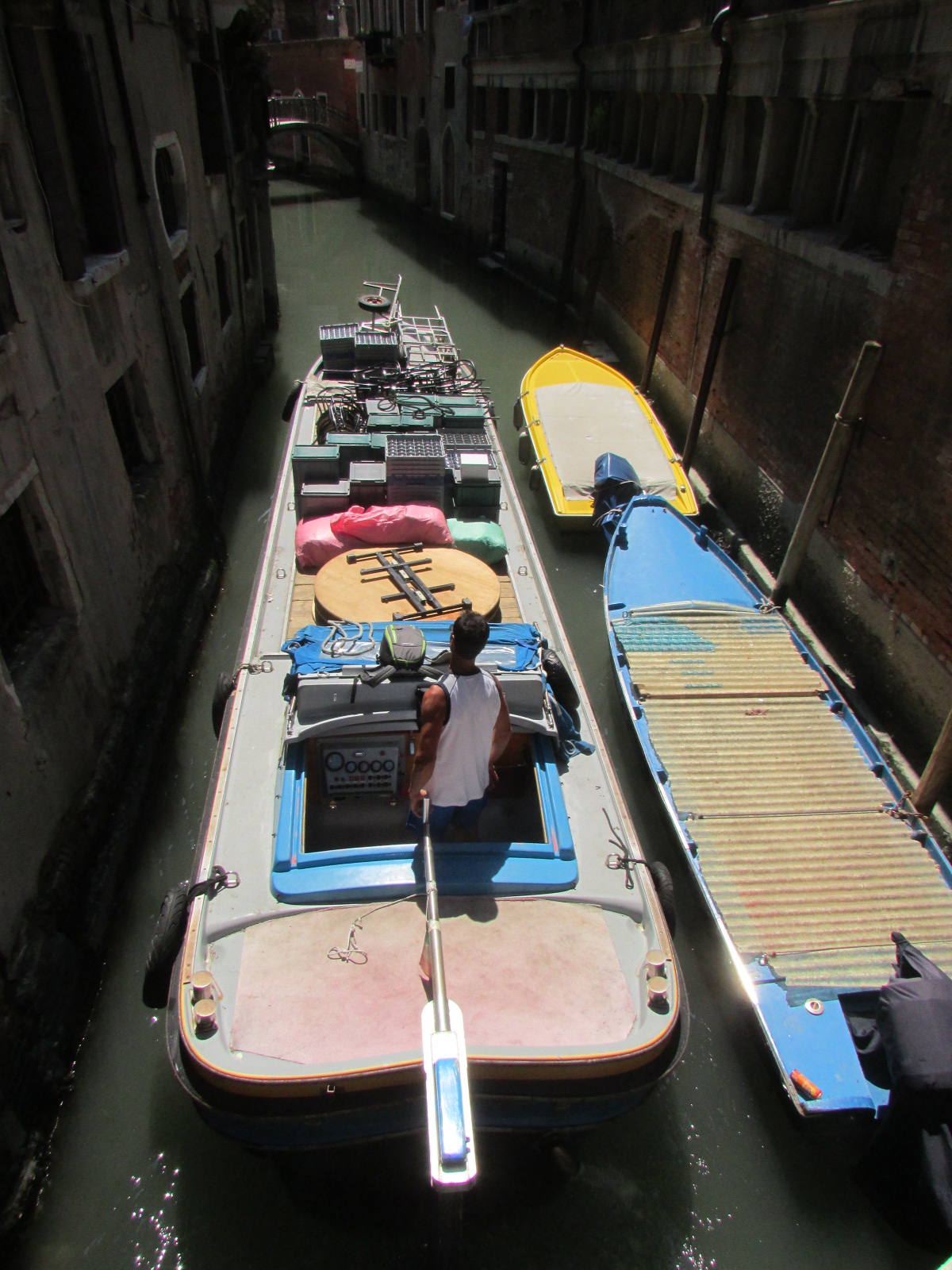
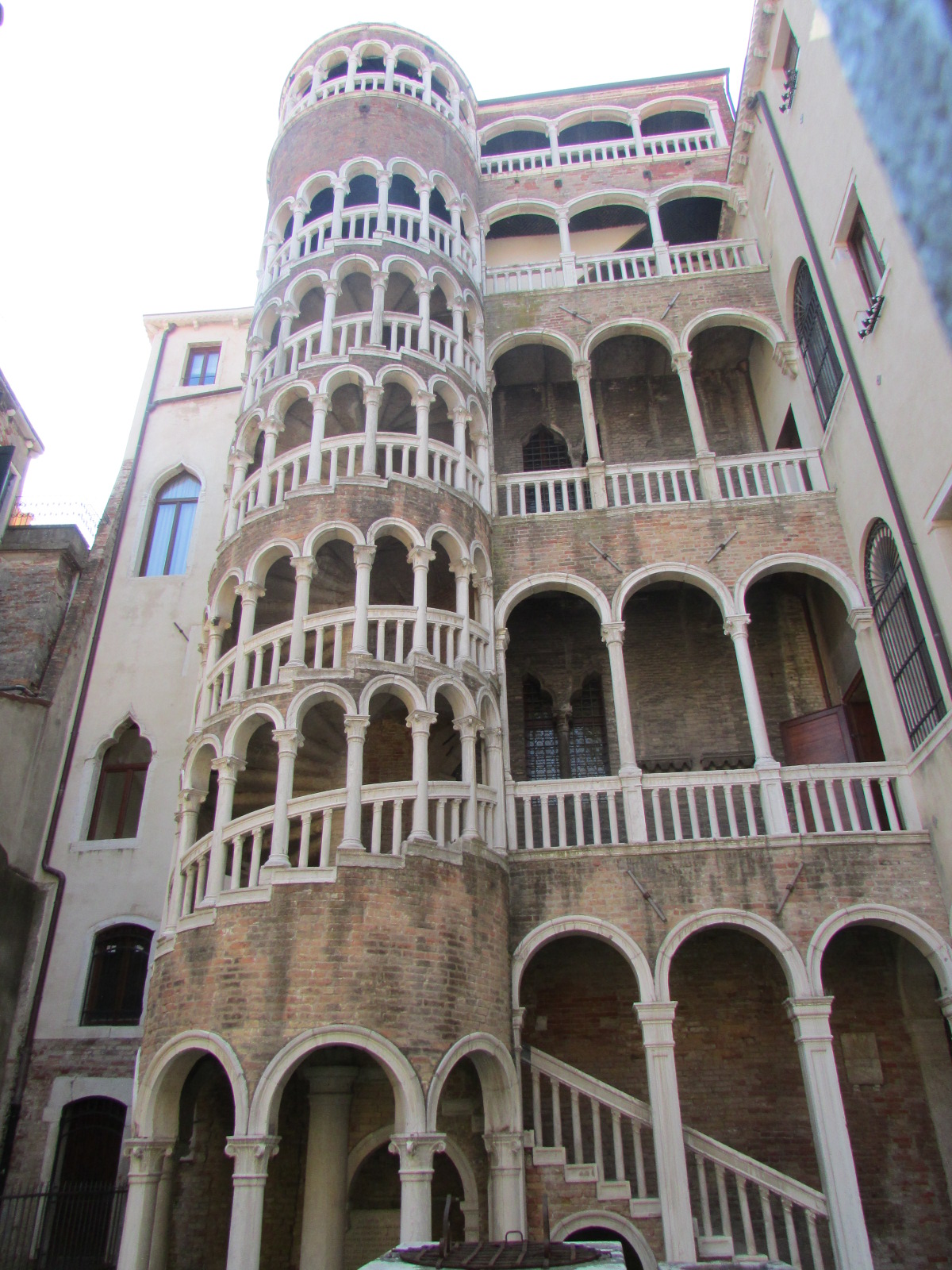
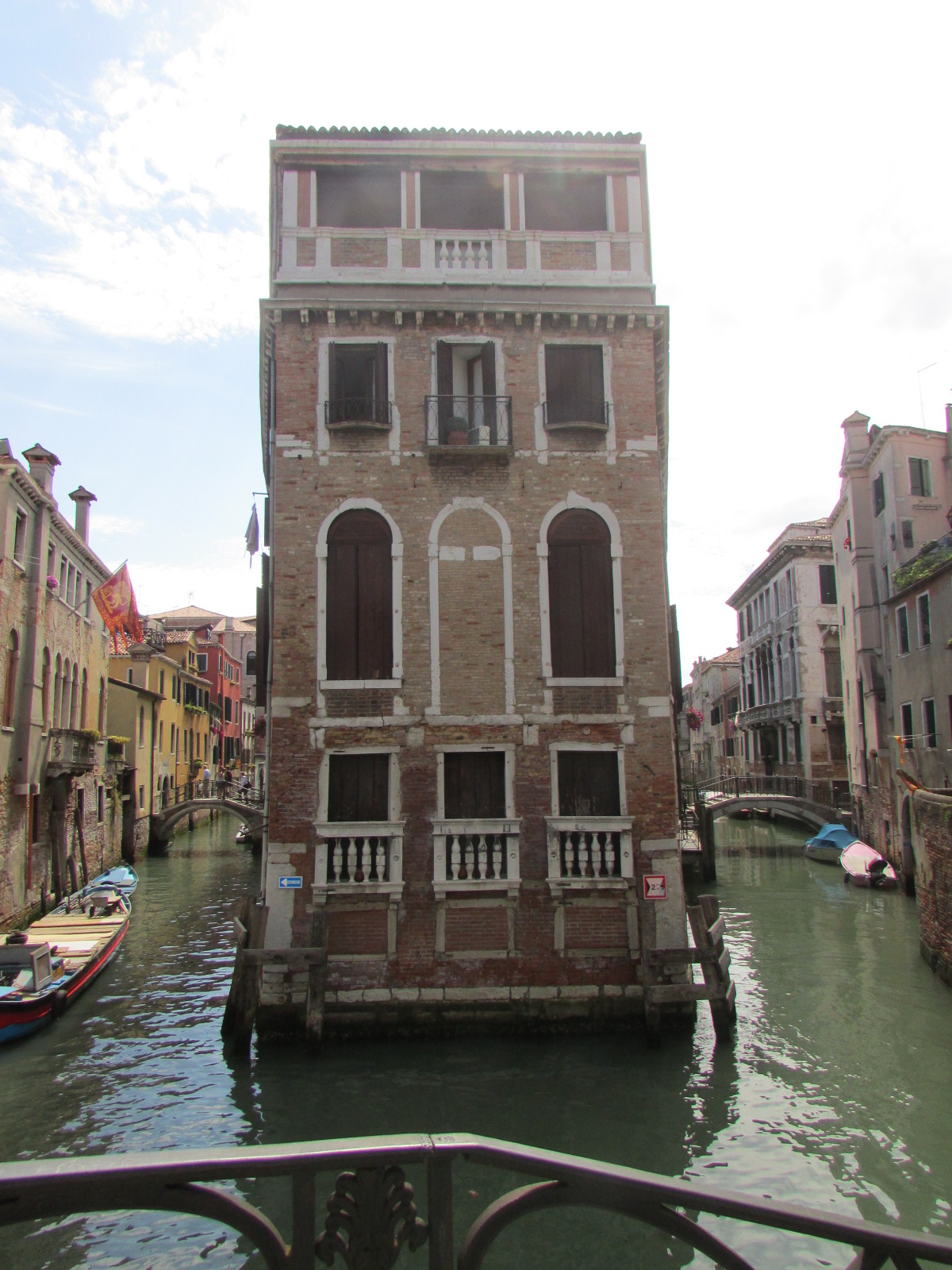
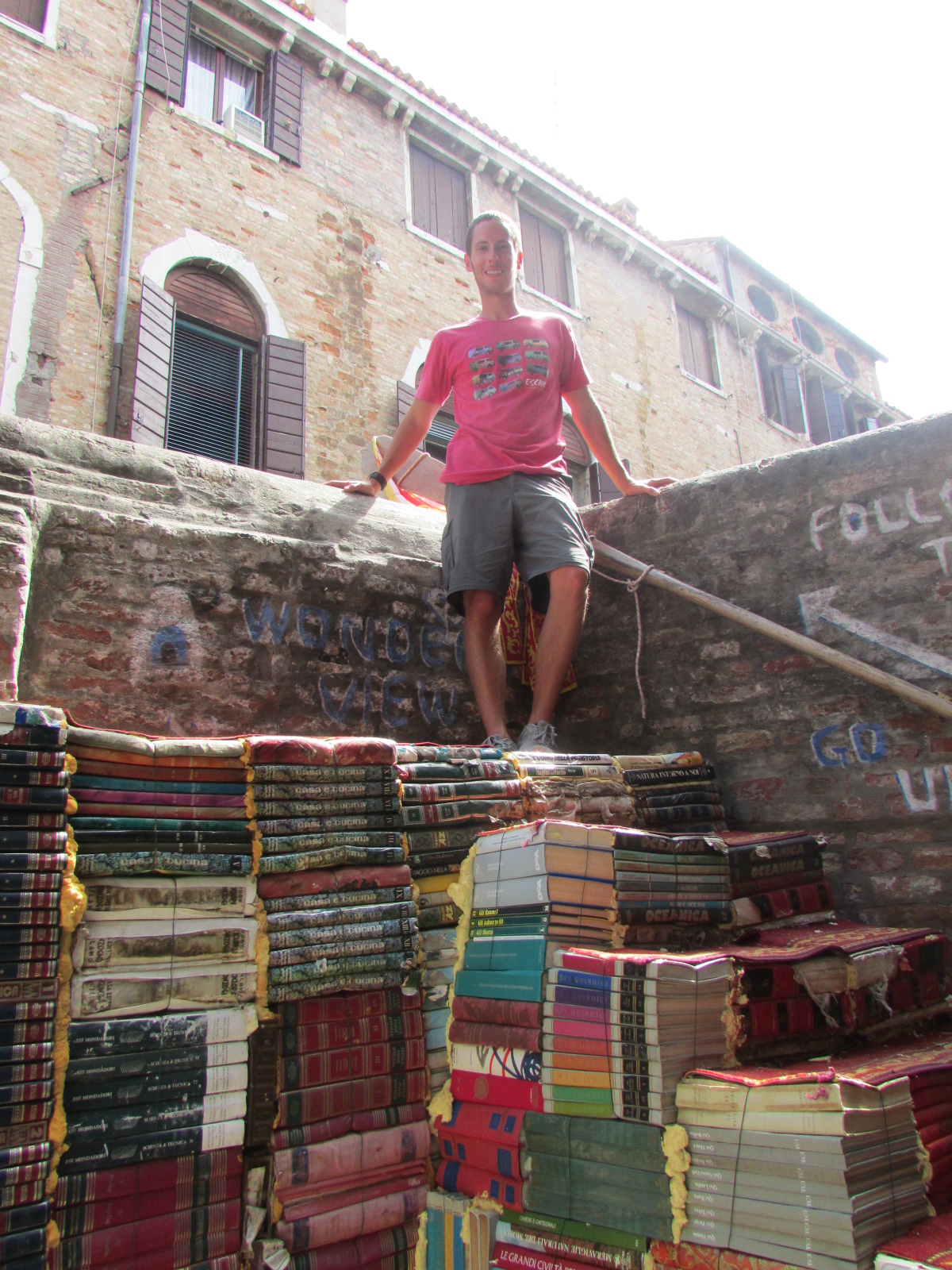
We were also lucky to be in Venice during a free art exhibition where many former palaces were open to the public for viewing. Even with all the hoopla of Venice, we loved our time there. We’ve visited many “imitations” of Venice that tourist bureaus have touted abroad (Perast, Montenegro and Allepey, India), but nothing comes even close. Simply walking the twisty, narrow cobblestone streets and stumbling onto bridges and over canals is a truly unique experience. You will absolutely get lost there (we did even with a smartphone) but once you end up on a silent, boat lined canal, you’ll realize it was all worth it.
We kept up our frenetic pace and trained it over to Milan. Milan is a big city and certainly feels like it. I always conjured up images of fashion police patrolling the streets of Milan and jailing sneaker and t-shirt wearing American tourists for violating some unwritten style code. However, I was relieved to find that while the fashion capital of Italy does have an Armani store in their train station, most other tourists and many locals dress casually. With only one full day in Milan we decided to cover as much ground as we could with Bike & The City and spent four hours cruising the city. This was an absolute blast and with Milan’s lax bike laws we rode on streets, sidewalks, parks, pedestrian areas, castles … everywhere. It was an awesome way to see the city and highly recommended.
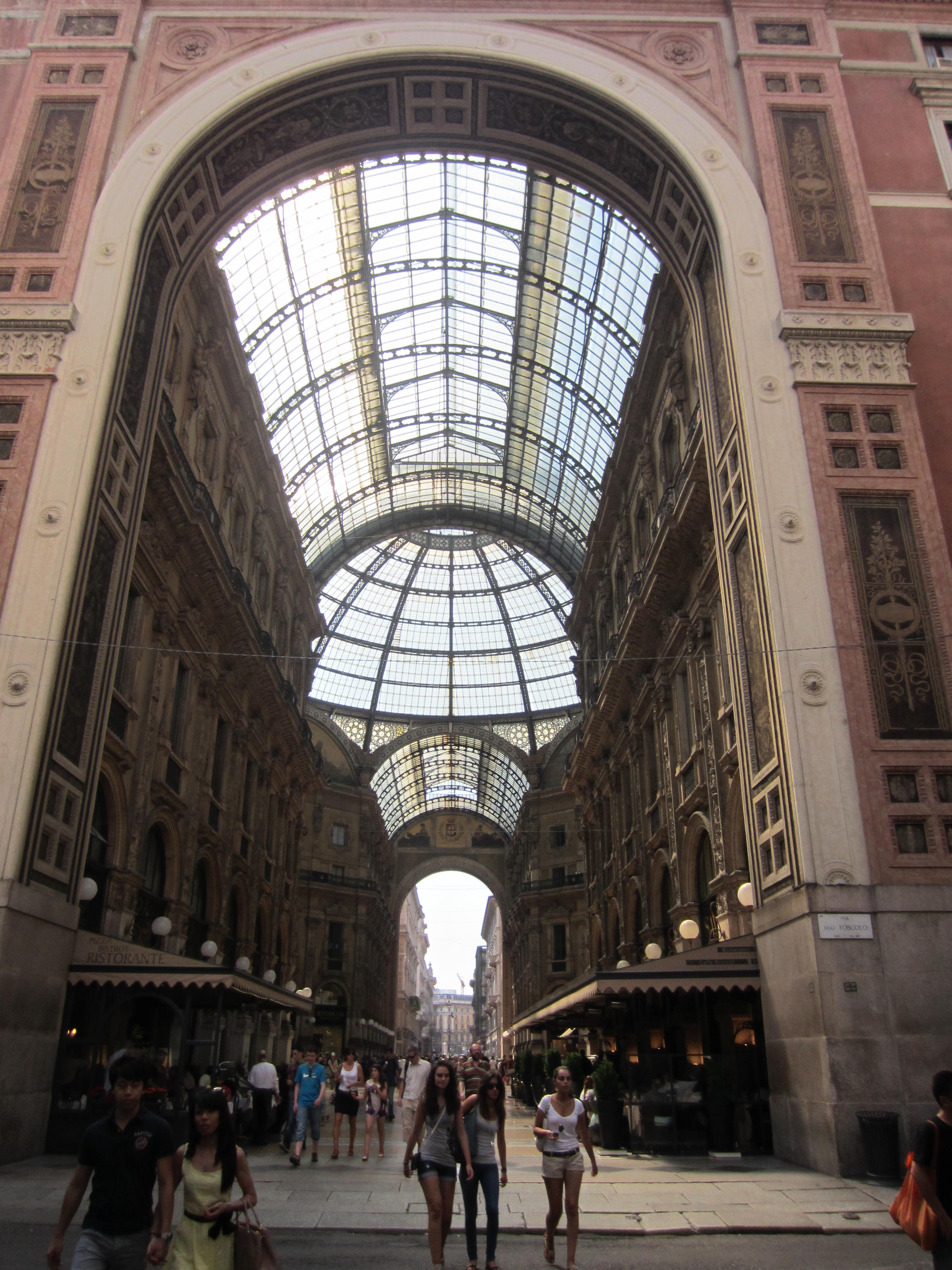
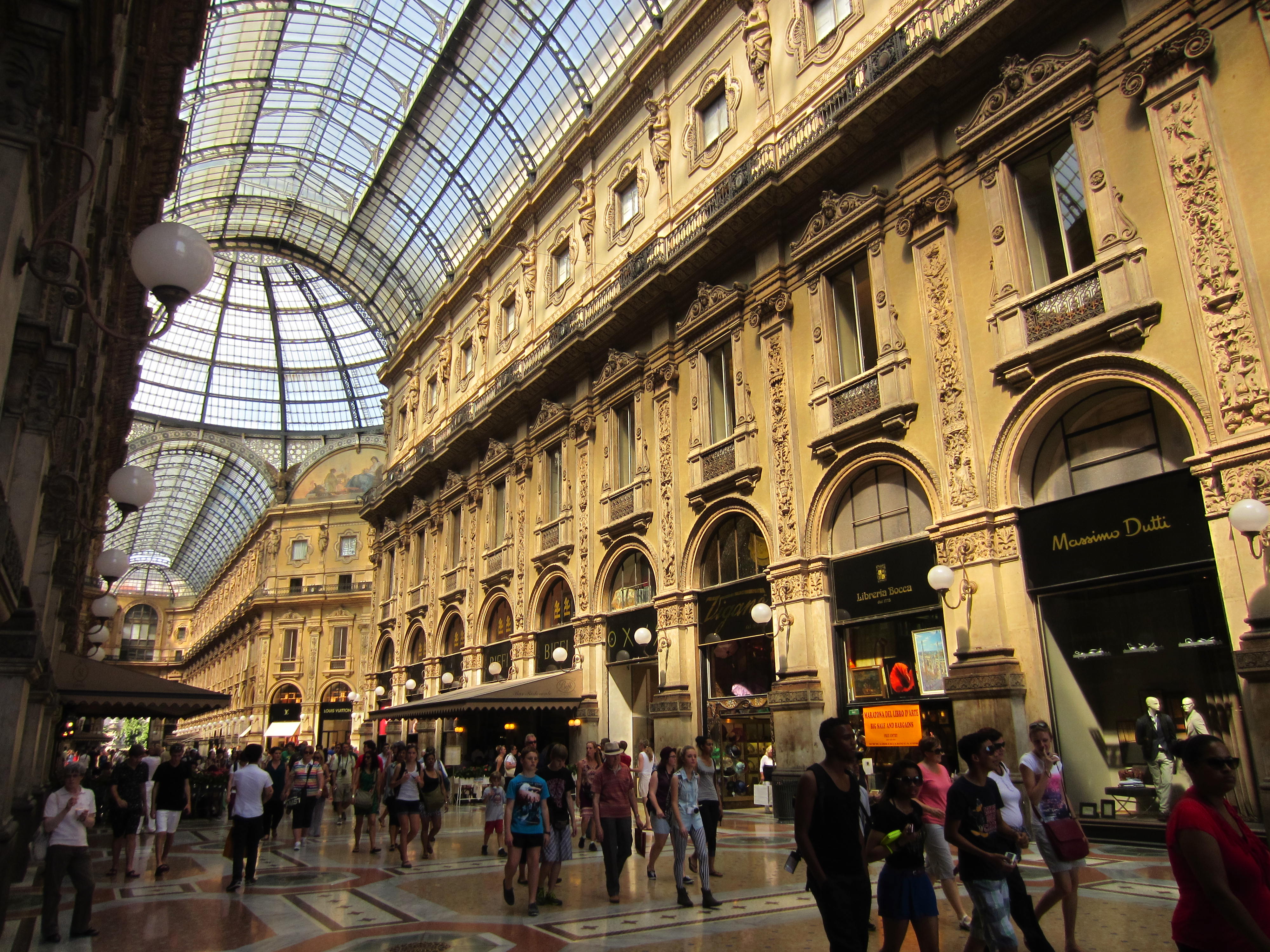
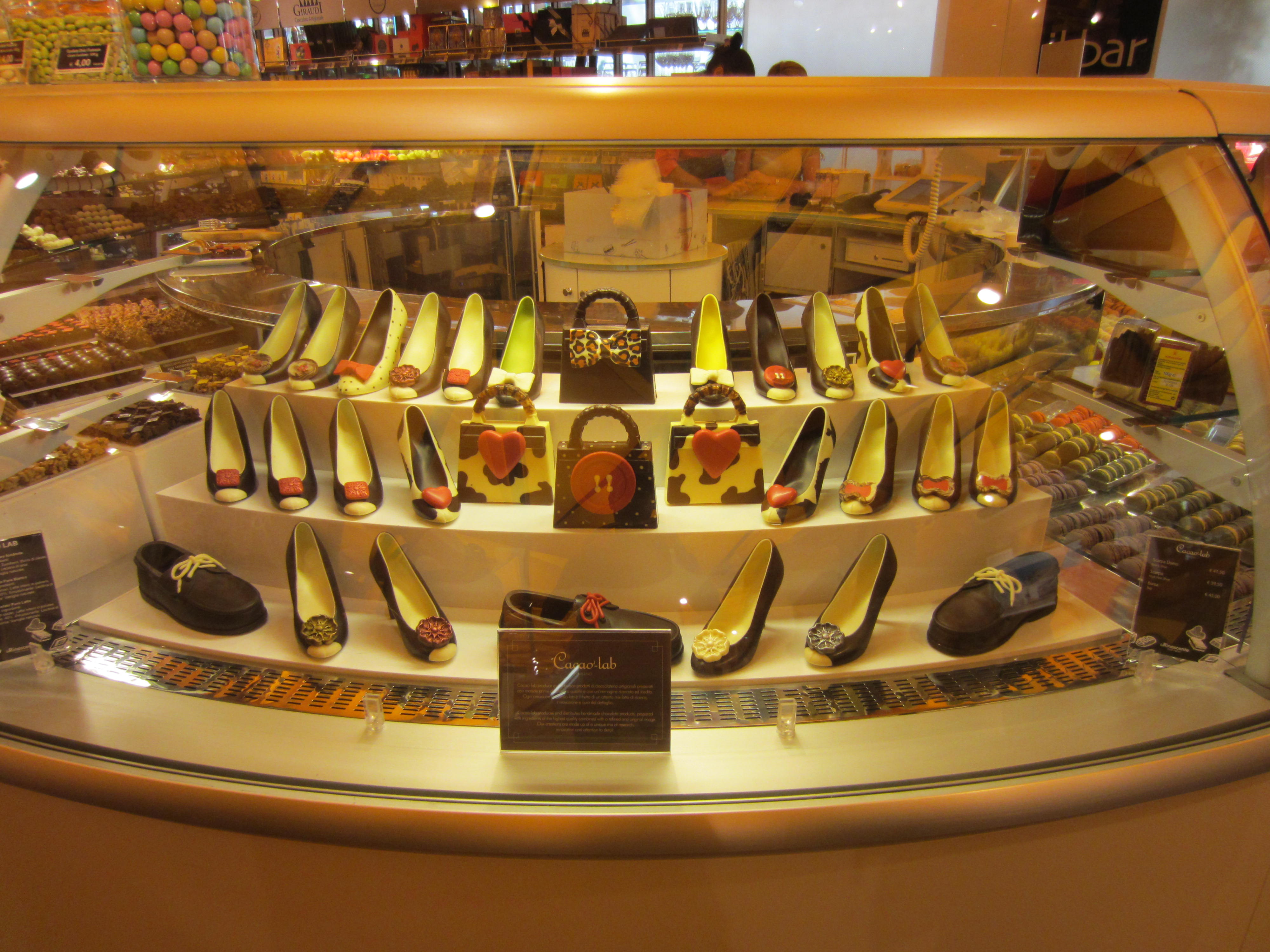
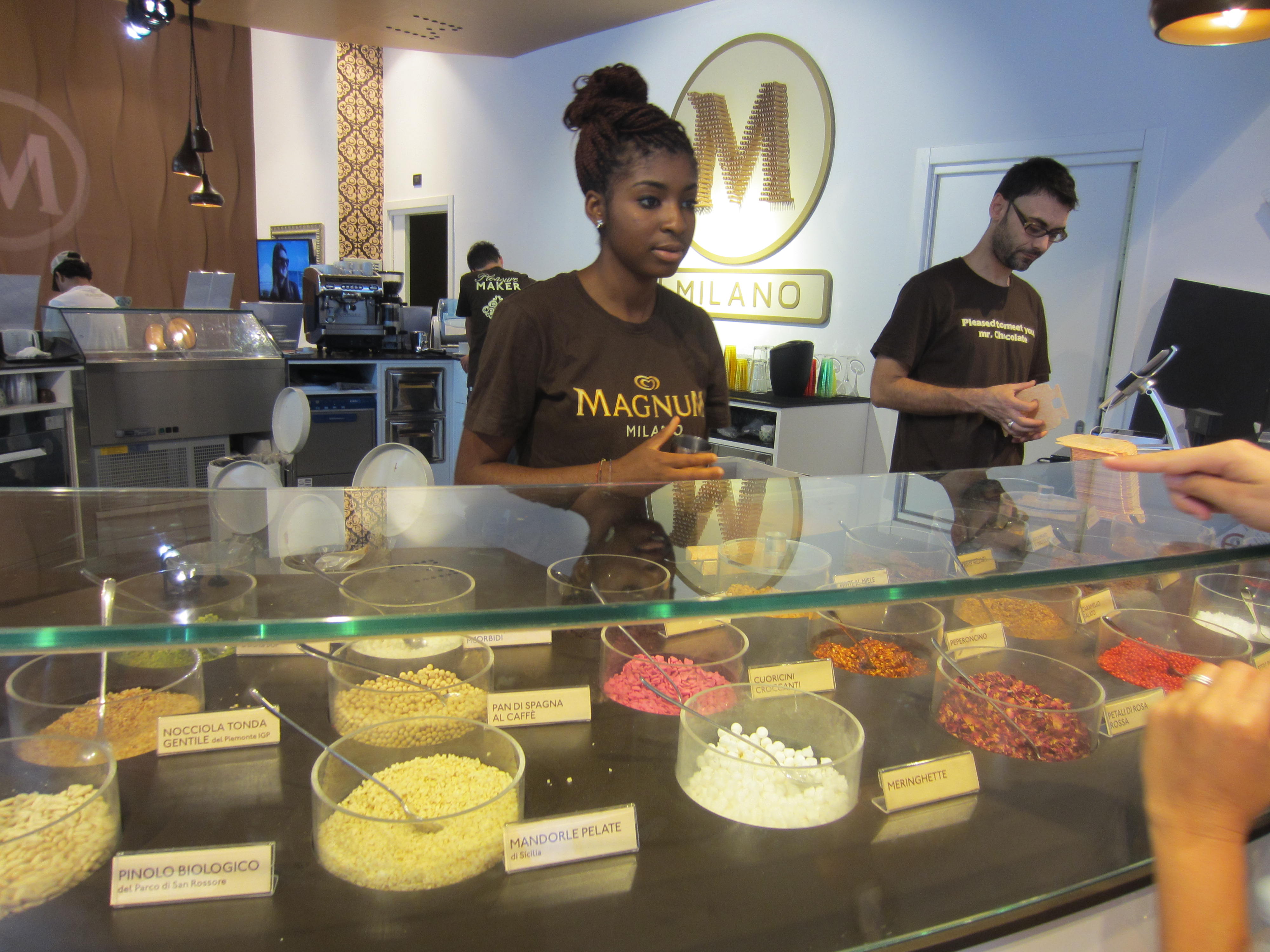
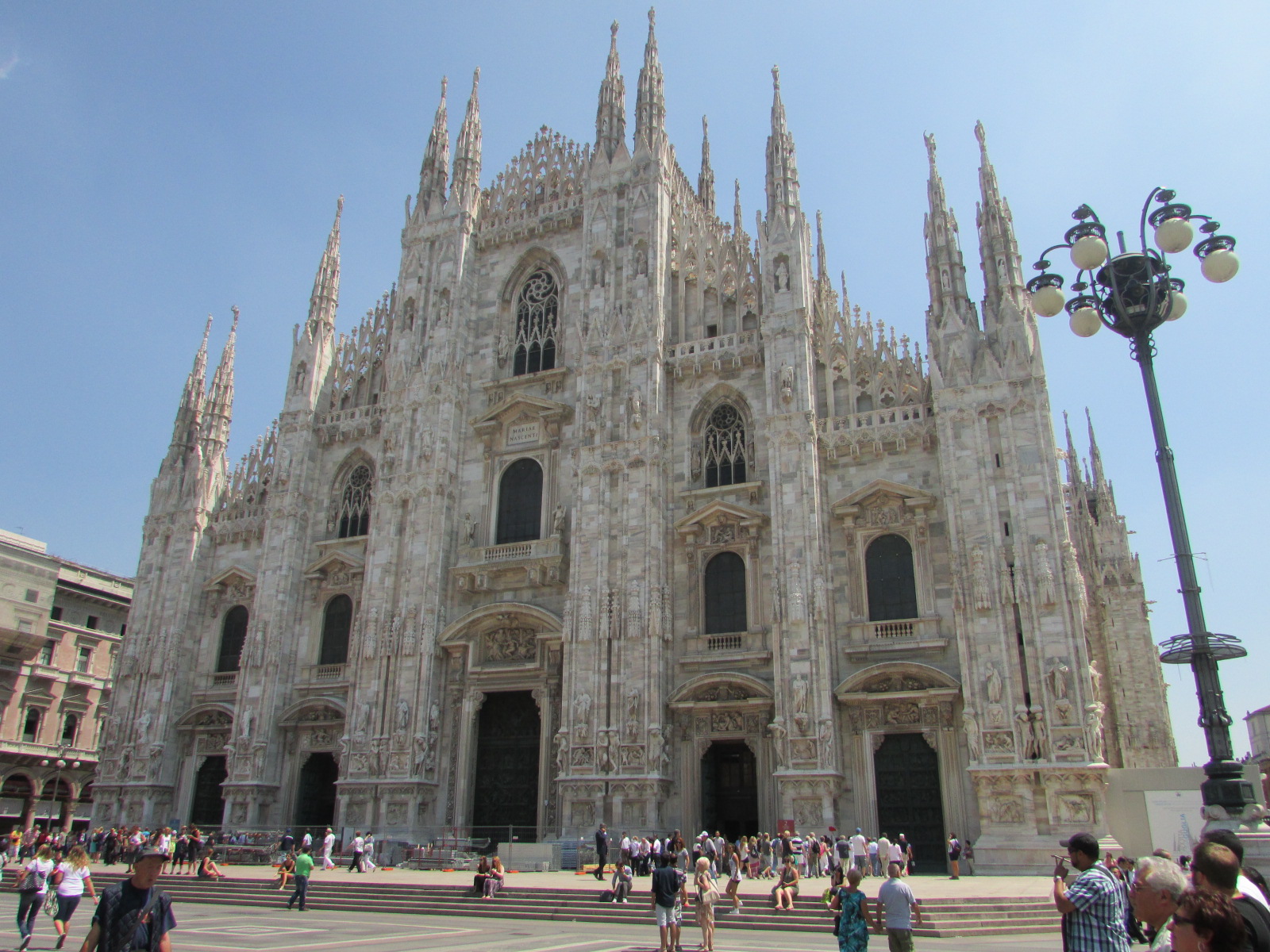
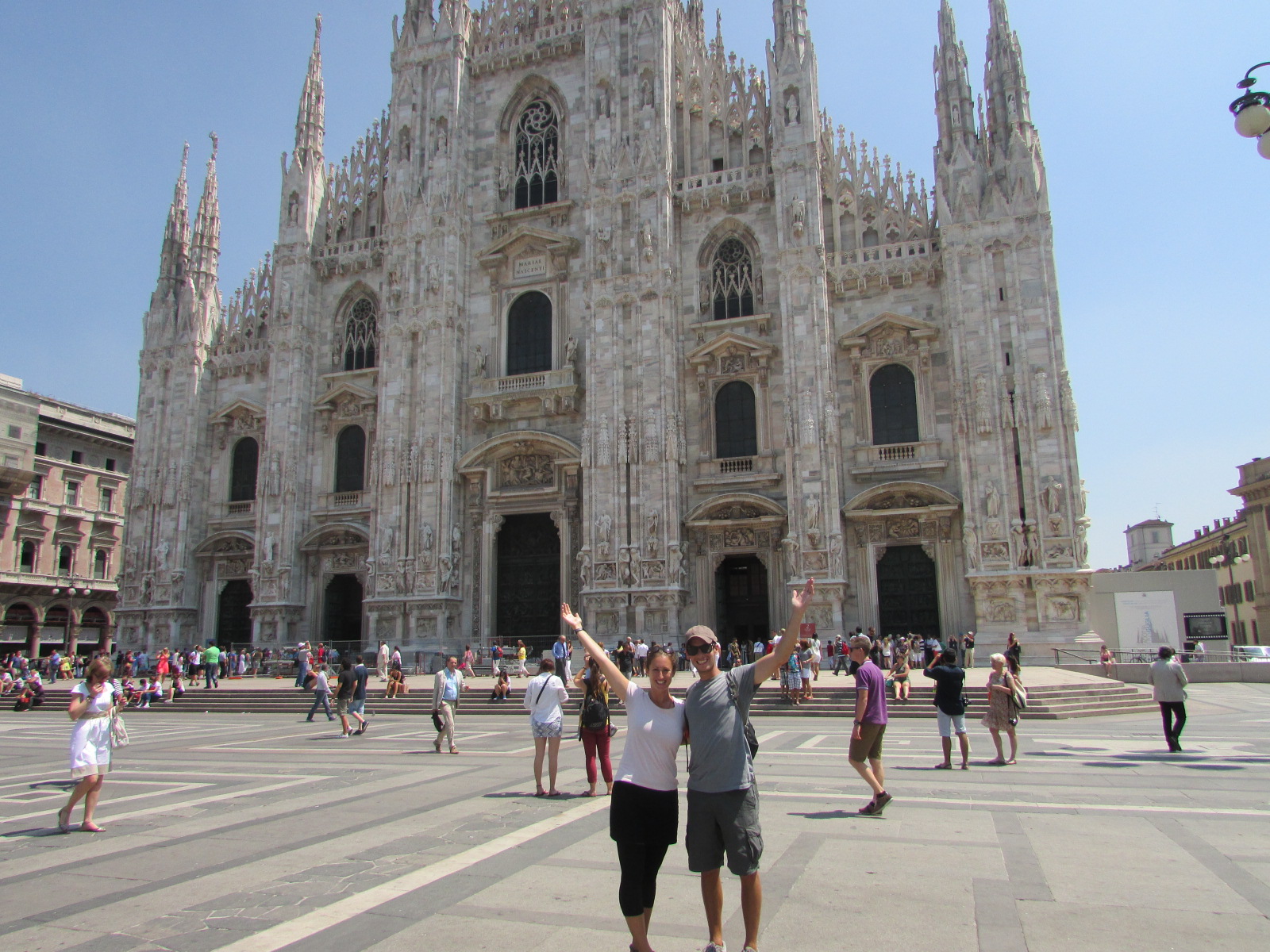
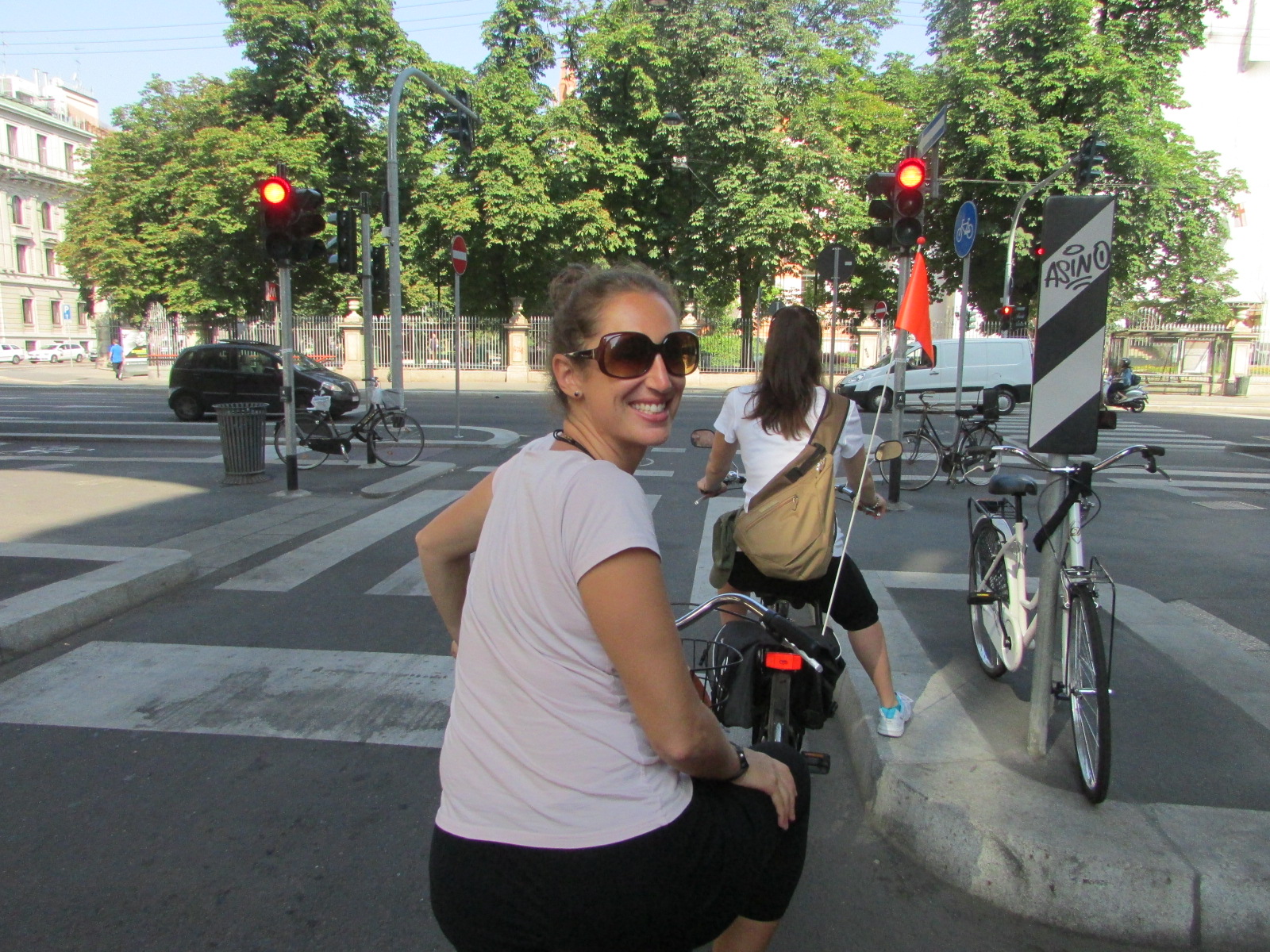
We are currently on a train from Milan to Genoa, a city located on the Ligurian coast between its more notable neighbors of Nice and Cinque Terre. We’re hoping for a brief reprieve from mass tourism, but this is Italy after all.
On a side note, we are becoming frustrated with a couple of Italy’s less loveable traits. For starters, dining out has become a challenge. If we wanted to share a pizza (note that sharing a pizza is not common) at a sit-down restaurant for 7€, we would end up paying about double after all the extra charges and non-food related items were tallied up. As previously mentioned, if your butt hits a seat, it’s cost you 2€ a pop for “coperto” or cover charges (overheard expenses, not tip). Secondly, while water fountains are ubiquitous on city streets, tap water is generally not served at restaurants and a bottle of aqua minerale can range from 2-3€. All of sudden my reasonably priced pizza lunch just blew the budget. Second, is the ominous “City Tax”. A couple of years ago, the municipality of Rome decided to mandate that all hotels charge an additional tax on non-resident tourists that would be based on the class level of the hotel, number of guests and be paid in cash upon check out. Officially, tax revenues would be used for infrastructure and tourism outreach; however, most people believe the funds are used to pay down the absurdly high city debt. Regardless, not long after Rome initiated the tax, the floodgates opened and all major Italian cities (plus some smaller ones) have enacted a tax of their own. In Milan, the city tax was reported to be 3€ per person per day, but since it was July (an apparent low season), it was reduced by 50%, but apparently the tax had just been raised to 4€ per day no less than a week ago but our hotel still hasn’t received the proper paperwork to display to guests. So, in the end we owed 8€ extra for two nights. Can you see how this gets a bit confusing? However, any guest has the right to refuse to pay the tax if they fill out the appropriate paperwork. While we were a bit nervous to bring this up with our very kind receptionist, he actually recommended it to us! If the guests don’t pay, there is no repercussion for the hotel and the hotel industry has been fighting to reduce or eliminate it all together. But what Italian likes to pay taxes anyways?
 wheresmyberger
I would have to rubber stamp your comments on Ljubljana and Plitvice one blog past. Thanks for the found memories of Venice, I felt like I was revisiting there. Alan