After a recovery day in Berlin, we picked up a train heading towards Wroclaw (pronounced vrot-slov), Poland. Are you ready to be confused? Prior to WWII, Wroclaw used to be part of Germany (then called Breslau). Post WWII, when the borders were redrawn, parts of eastern Germany were annexed to Poland, including Breslau. Simple enough … not so fast. At the same time, eastern Poland was annexed to Ukraine, including the beautiful city of Lviv (more on that later). So what happens to the local population when the city they’ve lived in for generations is suddenly part of a new and very different country? Forced population swaps of course! The Germans in former Breslau had to move west, back into modern Germany. The population from the now Ukrainian city of Lviv were shipped on trains to western Poland and settled in modern Wroclaw, taking many important Polish artifacts and history with them from Lviv. It was one of the largest population swaps in history and still difficult for us to fathom. Moving on … Poland used to have a huge dynasty from Poland all the way to Lithuania, but basically over the years they lost their country, then gained it back and then it was basically destroyed by the Nazis and Soviets and now it’s trying to make a comeback. Poland has pretty much gotten the short end of the stick all of these years and there’s a reason why the older generation are so tough and most often pessimistic. However, the younger generation is optimistic about their possibilities and with the continual increase in Western investment and a lower than average unemployment rate versus the rest of the EU, the outlook is quite good.
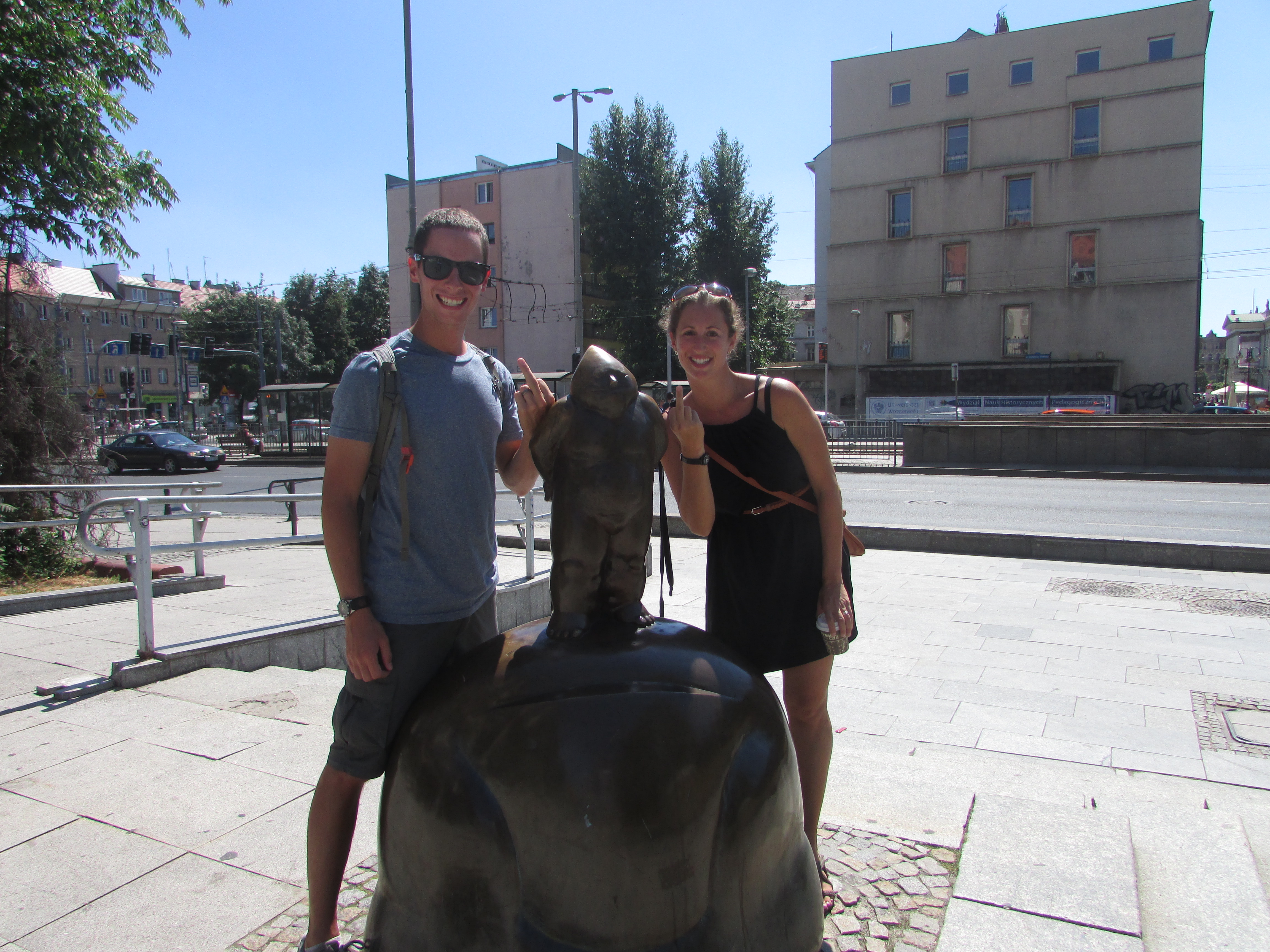

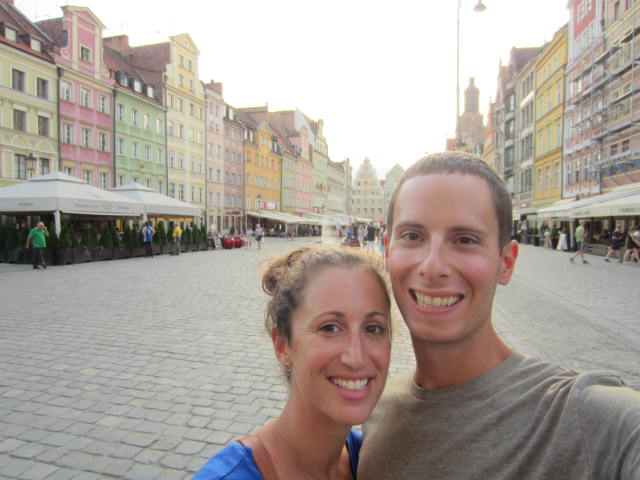
Wroclaw was nearly entirely demolished during WWII, but immediately following the war the city rebuilt its main square and its surrounding buildings and today it is a very picturesque small city filled with cafes, bars and restaurants all around the old town. In Wroclaw we really practiced our Polish eating and found that many of the Jewish foods we’ve grown accustom to during holidays are commonplace in Poland (ex. potato pancakes). We found a Polish bar open 24/7 with dirt cheap prices and made it our mission to decipher the entire menu of about 12 items. This bar was typical to Communist times when all food and drink items were the same price and the menu was rather limited. While these establishments faded quickly after the fall of the Iron Curtain, they are now making a comeback as trendy spots for the younger generation. We were largely successful but when it came to lard spread on bread and a gelatin ball of chicken, we were just too weak. We did venture into and survive tartar, which was a completely raw hamburger patty with an egg yolk on top, not our favorite though. The rest can be seen https://3mealsout.wordpress.com/. We also took a private walking tour of Wroclaw with Mateusz from What’s Up Wroclaw. He took us to some really interesting sites that we absolutely would not have found on our own as well as gave us first-hand knowledge regarding the tumultuous history of Wroclaw. Highly recommended.
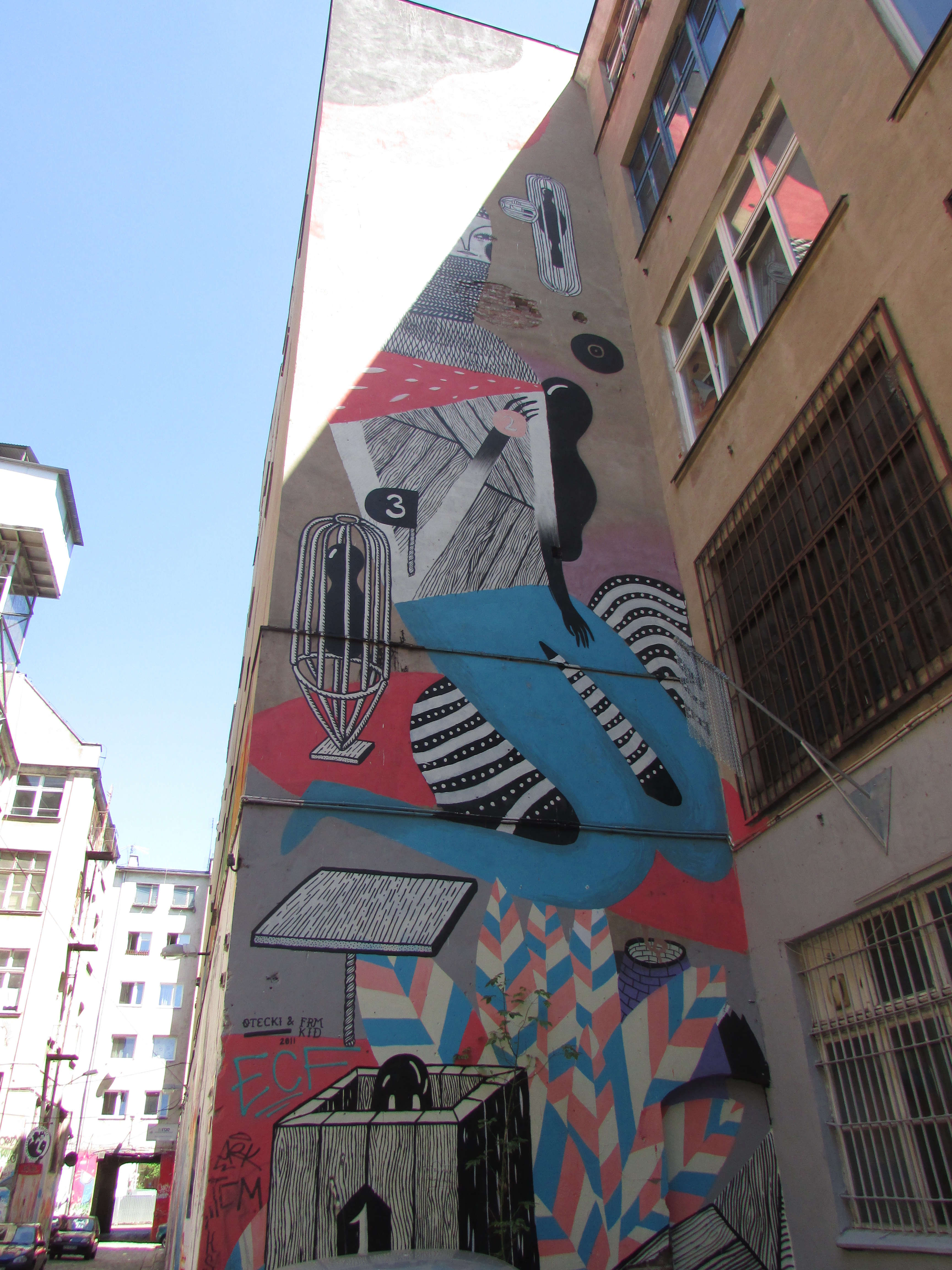
Street Art
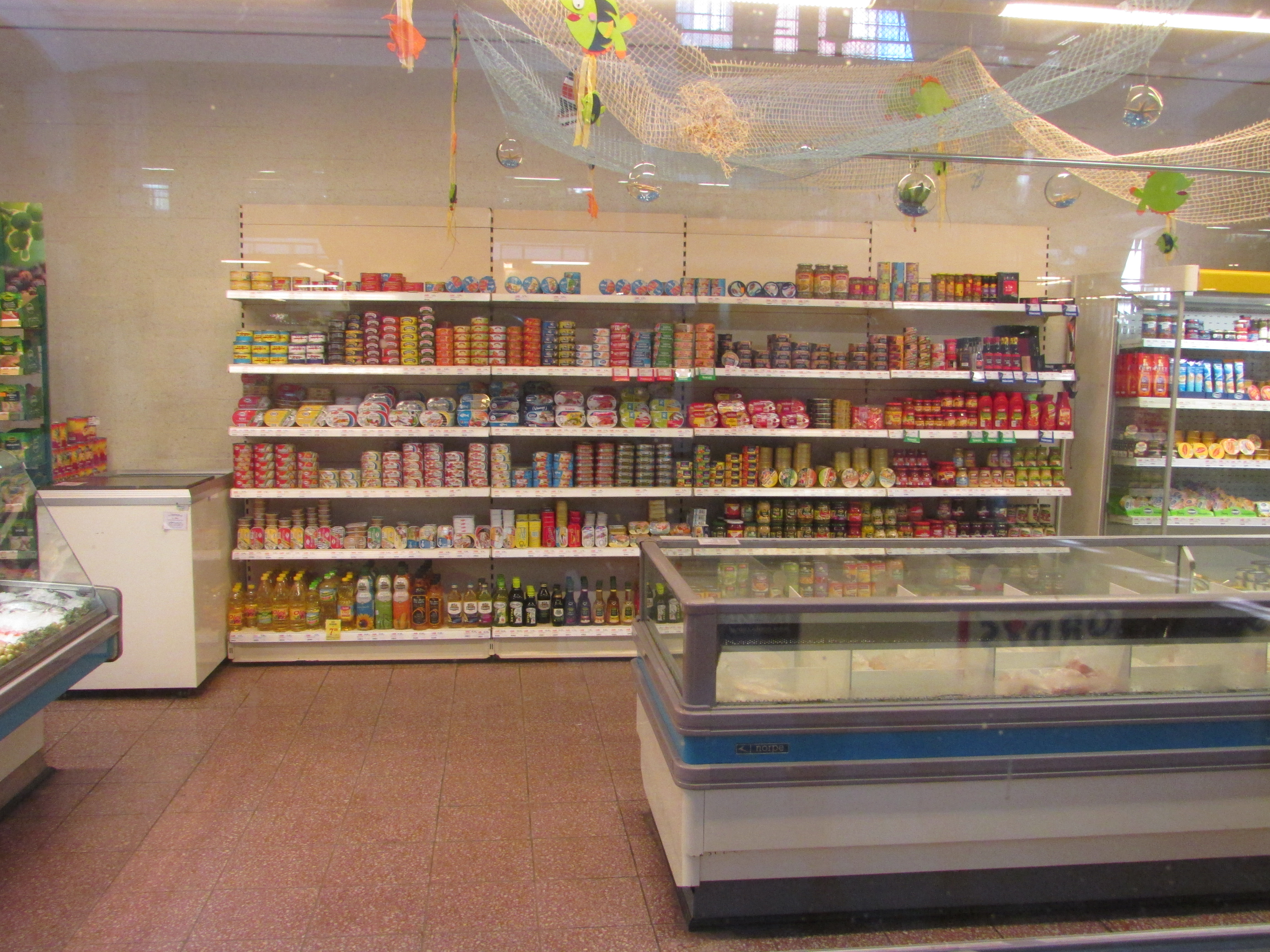
Fish store (all canned fish)
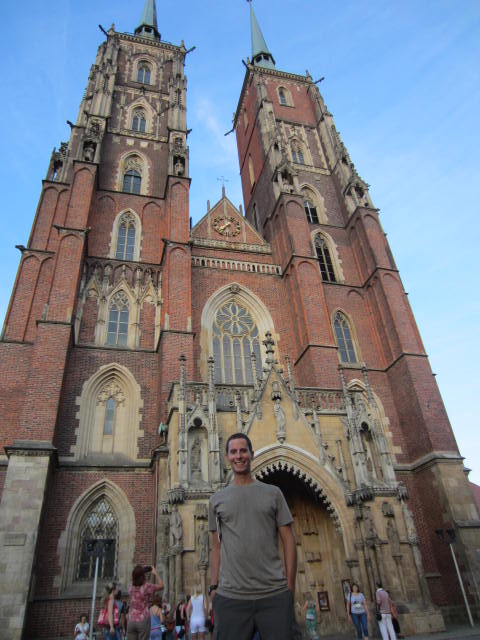
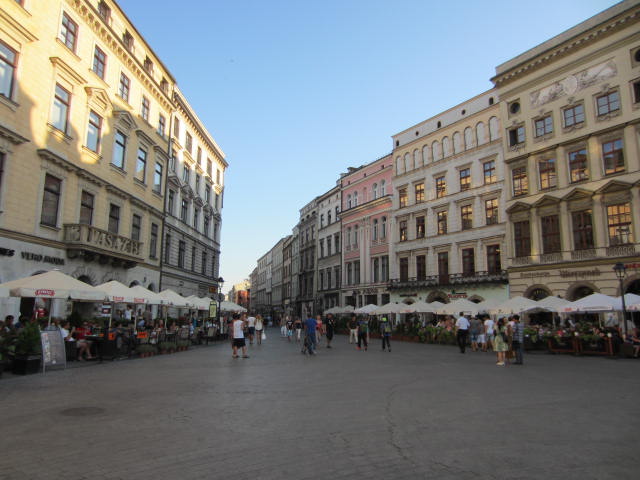
A short bus ride later, we arrived in Krakow and settled into our hotel in the Jewish Quarter, Kazimierz. No, we did not choose this location because we are Jews, but because the neighborhood has a more local and authentic feel than the city center. The neighborhood was wonderful and was surrounded by a variety of restaurants and cafes on every corner with very affordable food. For some reason, even with the abundance of dining options, we ended up eating at a diner style polish restaurant for three days in a row; we could not get enough of their zurek (sour soup) and cabbage rolls. We kept busy by taking a free walking tour around the Old Town and Wawel Castle and learned about some famous landmarks and churches as well as their enormous market square. We also took a tour of the old Jewish Quarter and Oscar Schindler’s factory and learned about the conflicting legacy Schindler has left on the Polish people.
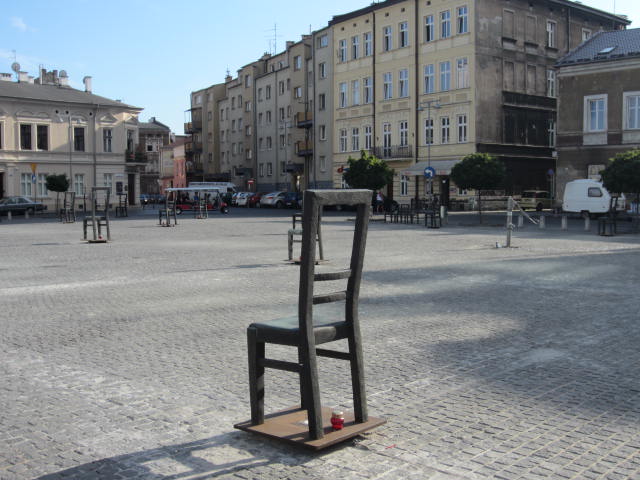
Holocaust Memorial
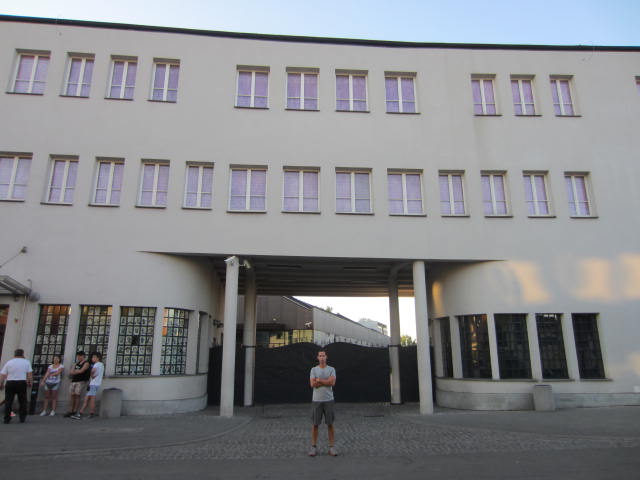
Schindler’s Factory
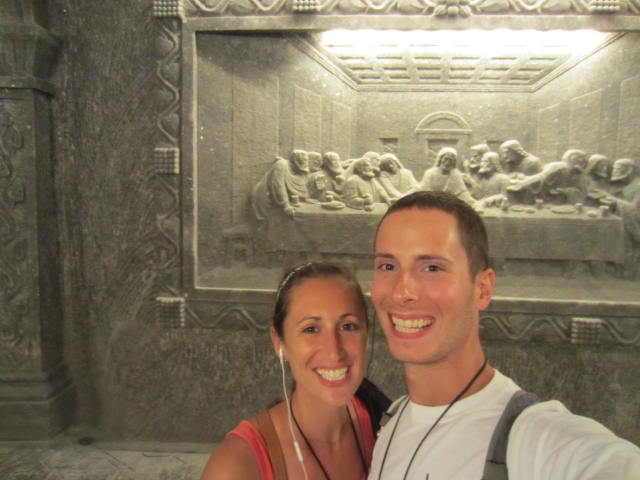
Salt mine
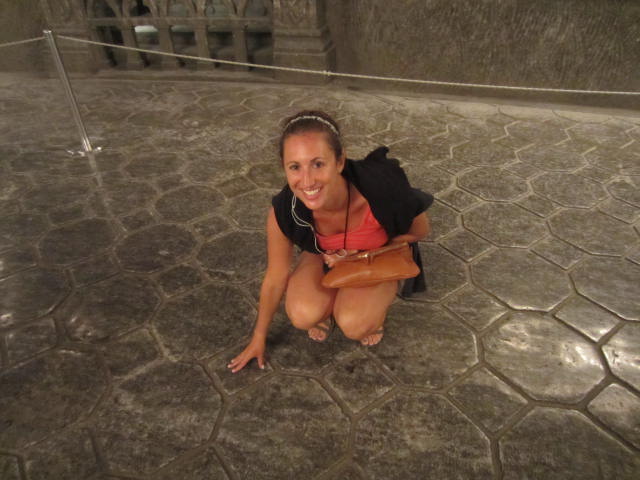
Salt floor
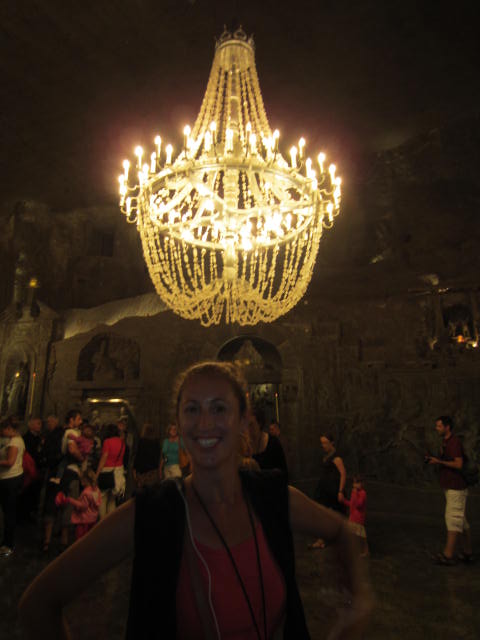
Salt chandelier
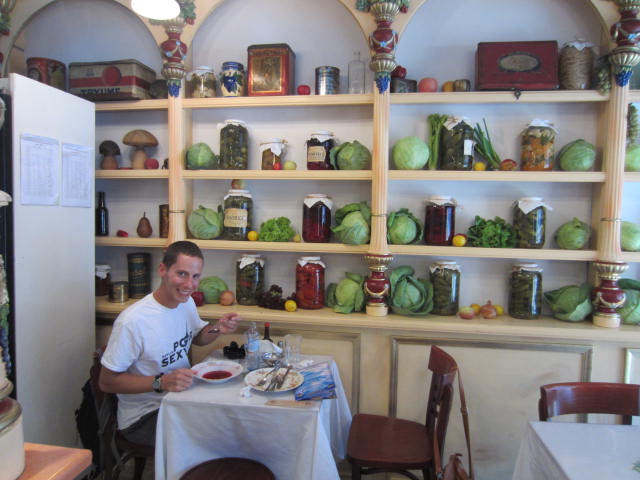
Our favorite restaurant
Our next destination was Lviv, Ukraine. The simplest way to cross the Polish-Ukrainian border seemed to be via overnight train from Krakow and while it was certainly not the least expensive option, we went for it. We were so excited when we walked on the train and saw a private cabin, with a wardrobe, TV and our own private bathroom, too. We paid for a second class ticket, but this felt like first class. Clearly, something was bound to go wrong and it didn’t take long. After the first flush of the toilet we noticed water leaking from the bottom of the toilet. The cabin attendant didn’t seem to care much when we showed him and we locked the door and hoped for the best. Unfortunately, we were awakened in the middle of the night by the cabin attendant and immediately noticed the reek of toilet water and urine overflowing into our cabin and in the hallway. The steward kept telling us our toilet was “kaput” and we then moved to another cabin. Needless to say, with our toilet adventure and four border checks, we did not get any sleep that night.
We arrived at the beautiful Lviv train station at 6am and it was bustling with activity with travelers arriving from and departing to far flung destination such as Moscow and Minsk! We hopped onto a tram and headed to the city center. The tram looked like it was built in the ‘40s, but had an amazing WIFI signal. The city of Lviv is a UNESCO World Heritage Architecture Site; therefore there is a lot of Ukrainian tourism, but hardly any English is spoken except for at the tourism office and a few restaurants. It was somewhat challenging communicating and utilizing public transit but when a tram ride cost $.20 and meals are about $5.00, it’s OK if you mess up sometimes.
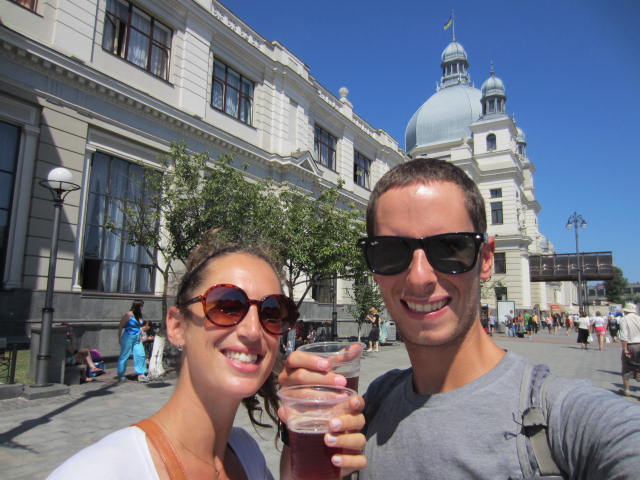
Kbac, a non alcoholic drink served on the street everywhere
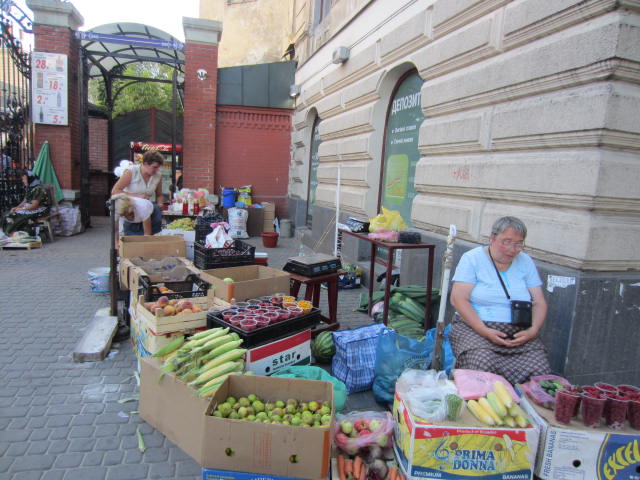
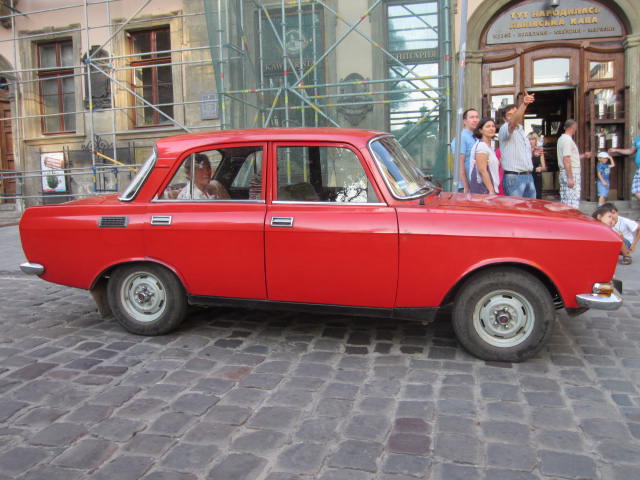
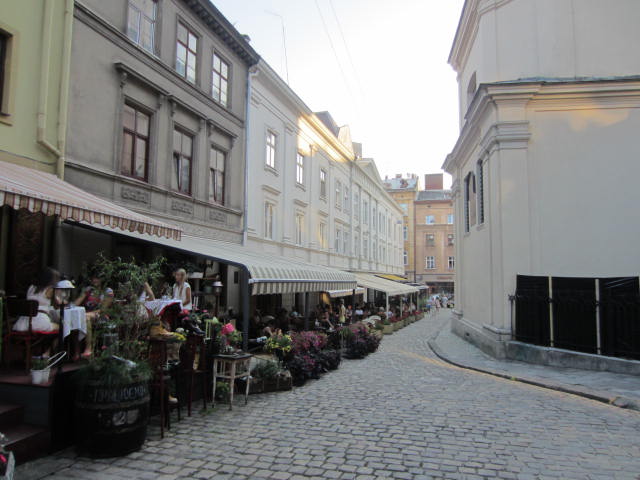
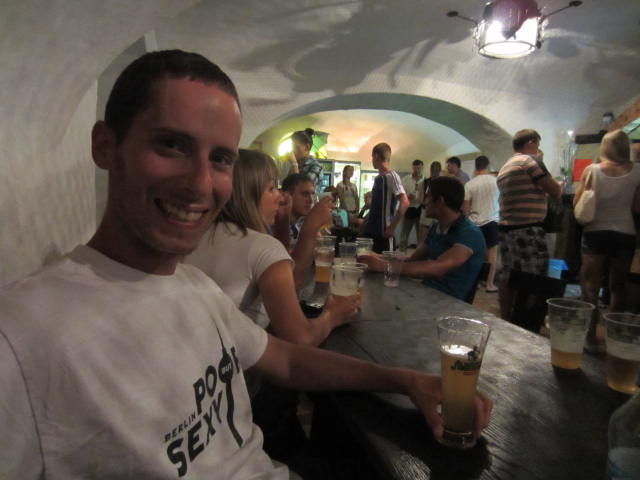

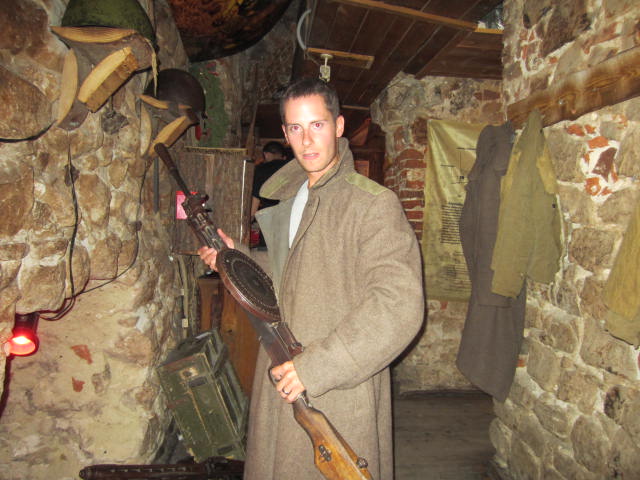
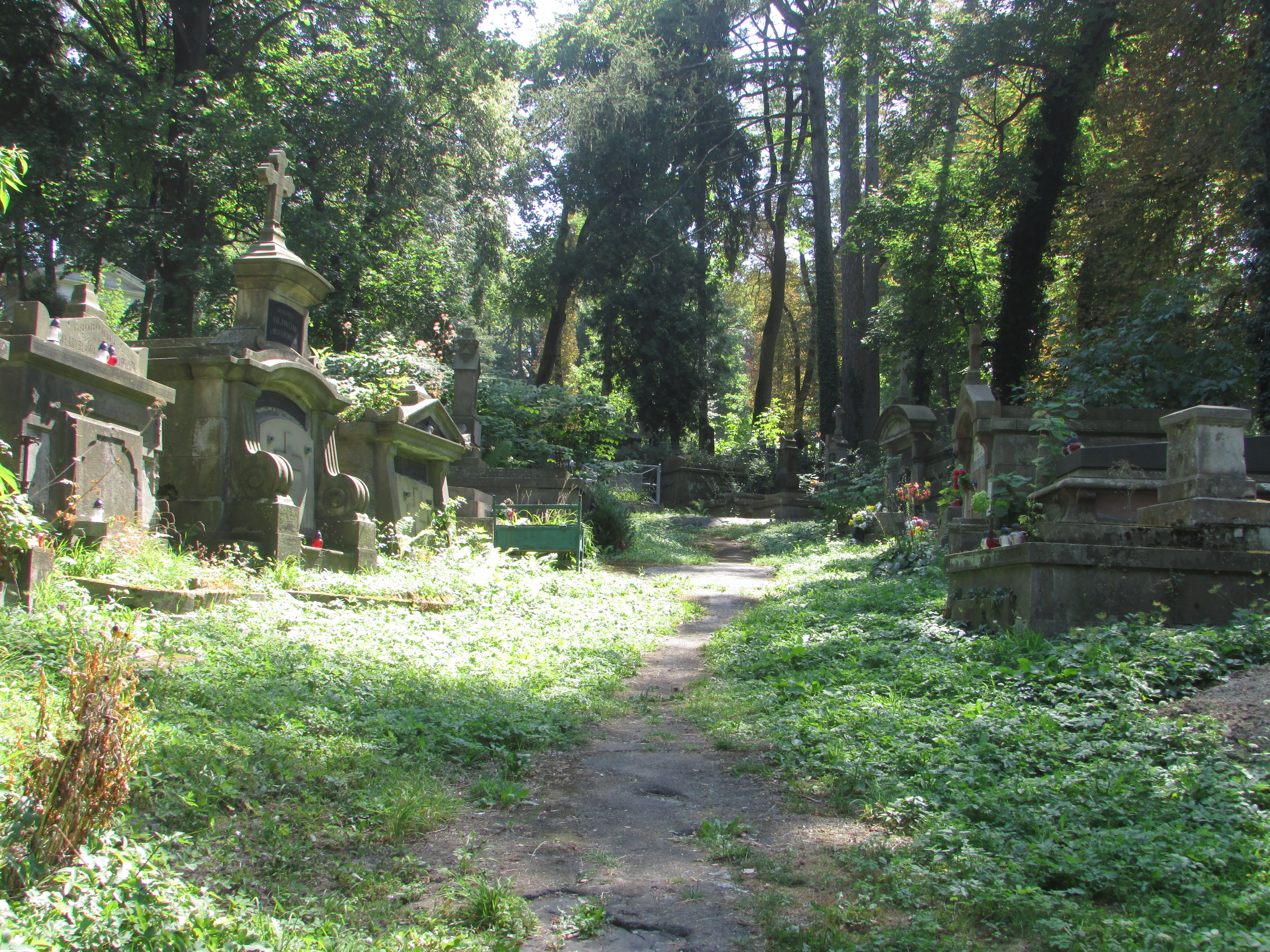
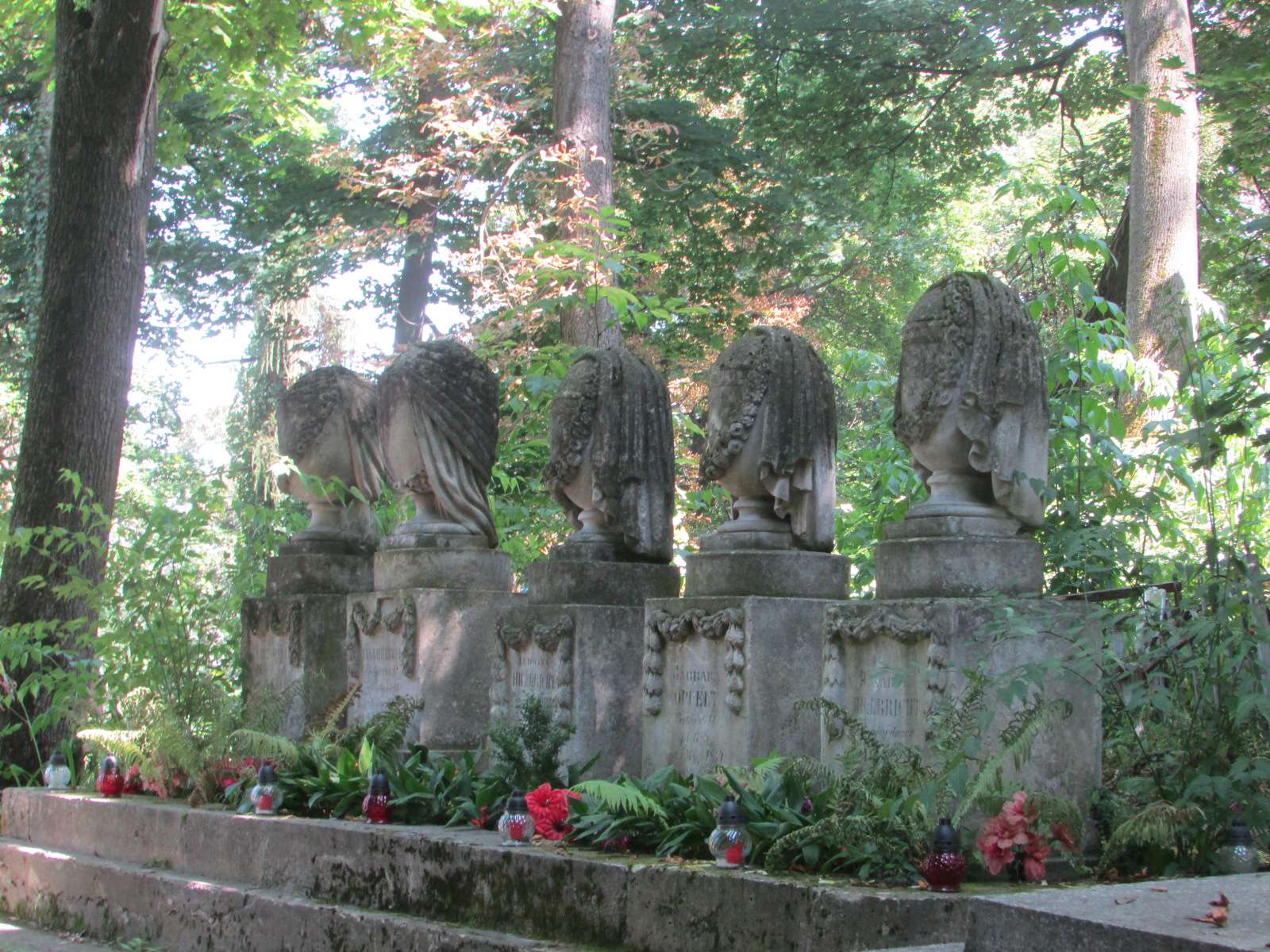
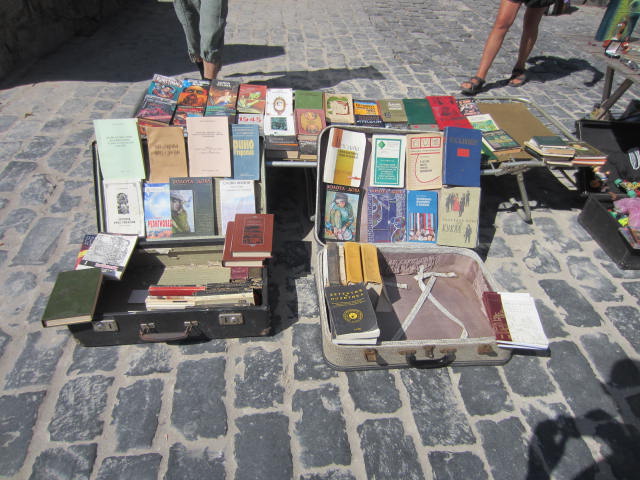
Lviv is a splendid and comfortable city to visit. The entire city is covered in cobblestone and the main square is lovely. Lviv is self-described as the least Soviet influenced city of Ukraine and has a distinct European design, but it’s certainly not Western and barely Eastern Europe. Old women (babooshkas … yes, they really exist) sell small quantities of produce on the streets, something we saw regularly in Asia. Soviet era trams and mini-buses dominate the city streets and shake the hotel rooms above. We toured a wonderful cemetery, the oldest brewery in Ukraine and took a bus tour of the outer sites. We ate very, very well in Lviv and are finding the Ukrainian food to be delicious. The cuisine is quite similar to Polish cuisine (borscht and pierogis) but even less expensive. We spent two full days in Lviv and wished we had more time. It’s a definitely a city in the crossroads, which makes it all the more interesting.
Next up … Kiev.
 wheresmyberger