After a few weeks of gorging on the 3 P’s of Italy (pasta, panini, and pizza), we were ready move on. We caught a flight up to Berlin (our first flight since arriving in Turkey, 3.5 months ago), a city that we were excited to visit but really had no expectations. We arrived late at night, negotiated the various well connected train and tram routes, and walked through the streets of our East Berlin neighborhood to our accommodations, a former factory turned budget hotel. It was a cool concept and in a great neighborhood, but with no air con and no fan, we ended up sleeping with our portable neck fans on full blast just to get through the night. We needed to cleanse our bodies anyway, so the “free” sauna had its benefits.
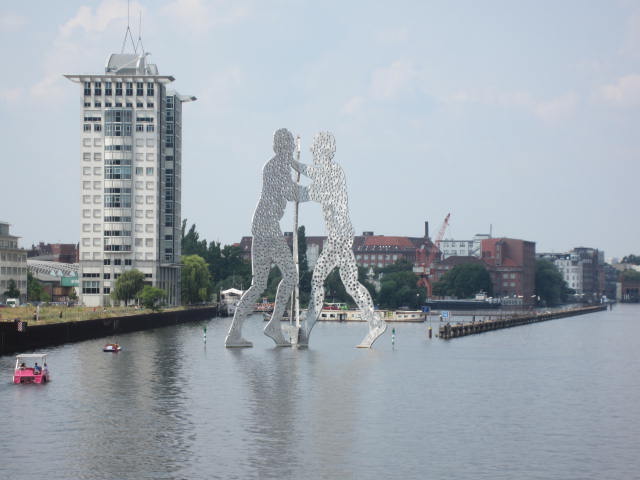

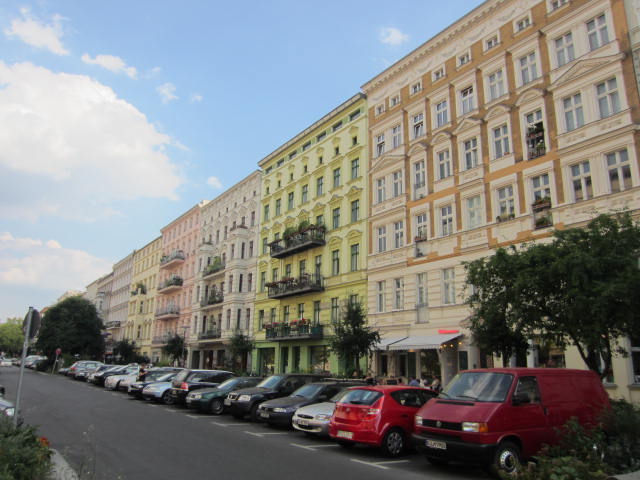

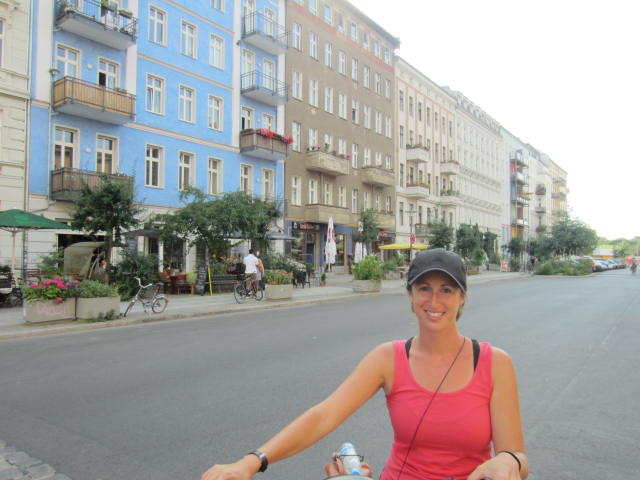
In short, Berlin is awesome. The city has an incredible array of ethnic foods from its growing immigrant population, an abundance of public transit options and relatively cheaper prices versus the rest of Germany. The city also has so much incredible 20th century history, it’s impossible to be bored. Not only was it the epicenter of Nazi Germany but also hosted the most fortified border between the Iron Curtain and the West during the cold war. The city has seen so much destruction and devastation, but today is a real jewel of Central Europe. However, if you think you are going to Germany when you visit Berlin, think again. It’s actually difficult to find those huge Germanic beer steins, bratwursts and lederhosen. Instead, prepare yourself for currywurst (more on this later), various ethnic foods, a robust café culture, colorful neighborhoods and loads of bikes.
Berlin is a massive city. I guess when any city is going to be split in half; it probably had to be a good size in the first place. In order to cover as much ground as we could in the four days we were there, we participated in a couple of different tours. We first hooked up with Original Berlin Walks on an intense 4-hour jaunt through the city center. Our guide, Carolina, was one of the most knowledgeable guides on any tour we had ever taken. She also used her personal conversations with her grandparents to help us better understand the mindset of some Germans during Nazi occupation. For instance, her grandmother assumed the Jews in her city were being sent to work camps because they were lazy. Not that she thought they were lazy, but because in her mind they were lazy; since they didn’t perform manual labor and held desk jobs. Many Germans wondered how this minority population could hold such powerful business roles, without getting their hands dirty. Of course, no one mentioned that for centuries Jews were disallowed to own land and therefore they wouldn’t become farmers or that Christians were initially banned from lending money with interest and the Jews simply filled the demand and became bankers. It was a powerful way to attempt to understand how people could be convinced that what turned out to be extermination was initially framed as a labor issue. Nevertheless, we were exhausted from simply participating in the tour, so I’m not sure how our guide can speak so much and walk so fast every day. One of the most interesting stops we made was at a subway station in East Berlin. When Berlin was divided, the subway system that ran in West Berlin would occasionally cross over into East Berlin in route to another station in West Berlin; however, these “ghost stations” were effectively closed. Once the subway entered East Berlin territory, it would slow to a crawl and as the subway would pass the ghost station, onboard passengers would be greeted with heavily armed military guarding the station, making sure no one attempted to enter or exit. Even stranger, the subway was built so close to the surface of the ground that people in East Berlin could feel the subway passing by them below but were never allowed to use it.

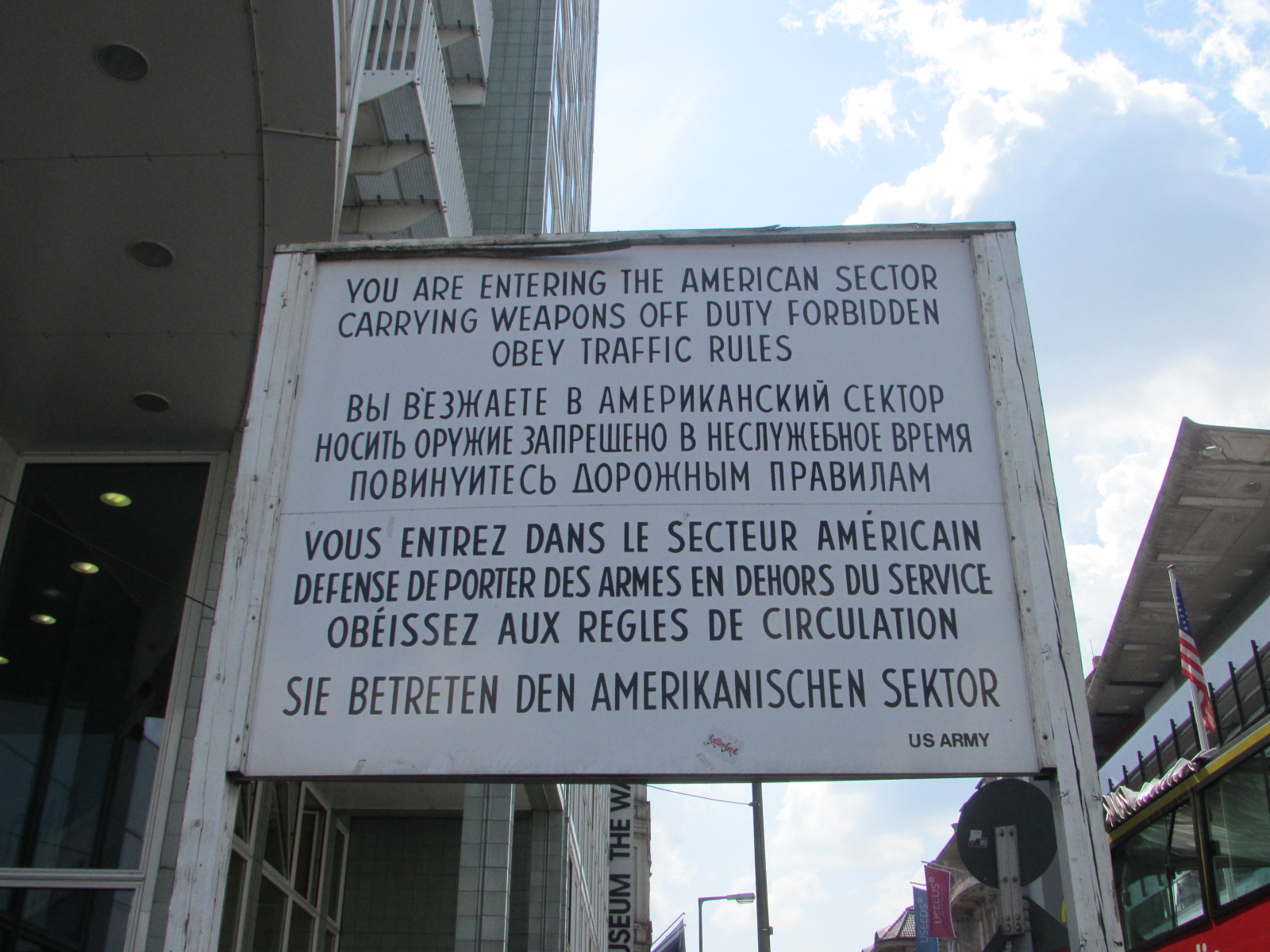
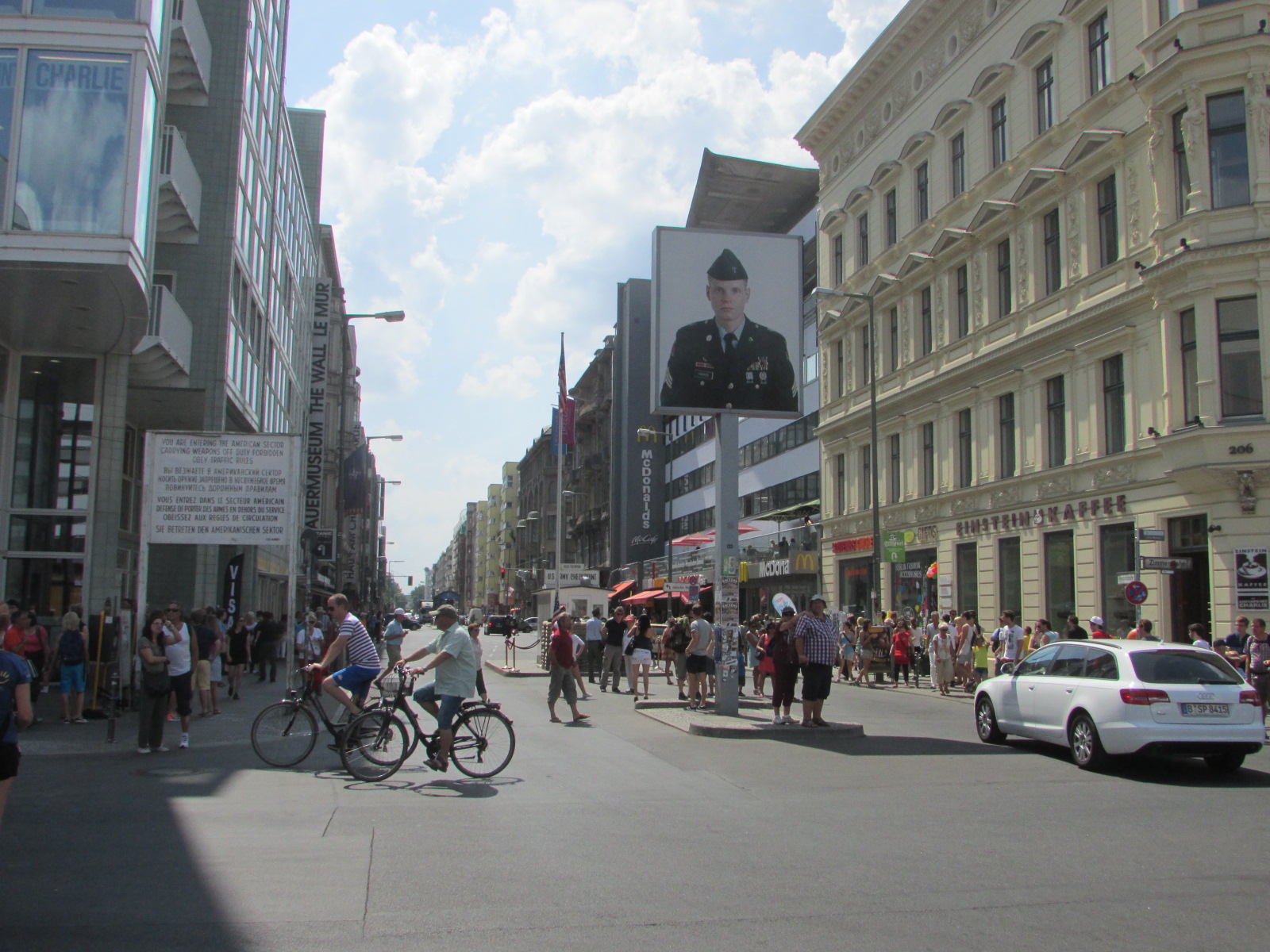
One of the biggest surprises was the American influence that was exerted during the occupation. Growing up in a time of intense Middle East conflict, we rarely think of how the US played such an open military role for such a long period of time in a Central European country … while we’ve been alive. It was hard to grasp that the US was guarding Checkpoint Charlie until 1989. Visiting Checkpoint Charlie is a somewhat pathetic experience as the only remaining remnants are some old signposts. The rest of the area is a Disney-like fabrication, especially the Turkish dancers dressed up as American and East German soldiers waving their respective flags.

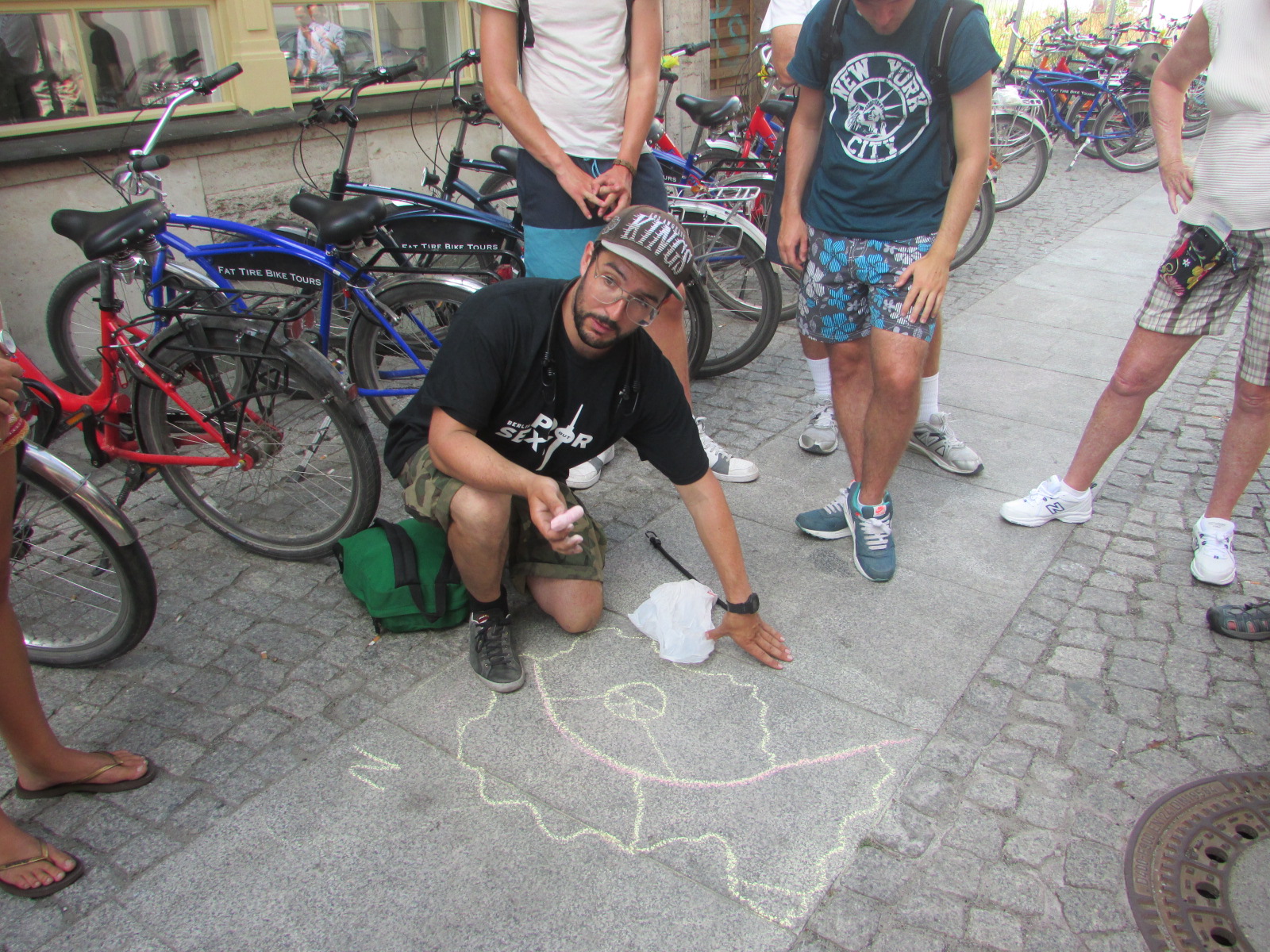
Most people would argue that repetition is the best way to learn. With that in mind, we joined up with Fat Tire Bike Tours for a bike tour around the city. We hit up many of the same sites as the walking tour, but it’s refreshing to listen to an explanation from another point of view. Our guide, Alex, did a fantastic job of simplifying some of the more difficult subject matter and by tour end we felt like we had a good overall knowledge of the city and its history. In addition, biking around Berlin is amazing. There are literally hundreds of kilometers of bike lanes and while the public transportation system is one of the best in the world, the bike is the best way for a tourist to experience the city. The bike tour was so good that we decided to keep the bikes for another day. With the help of our previous guides, we cruised all around the city to some incredible places outside the center.
If you find yourself in Berlin and want to get out a bit, try the following:
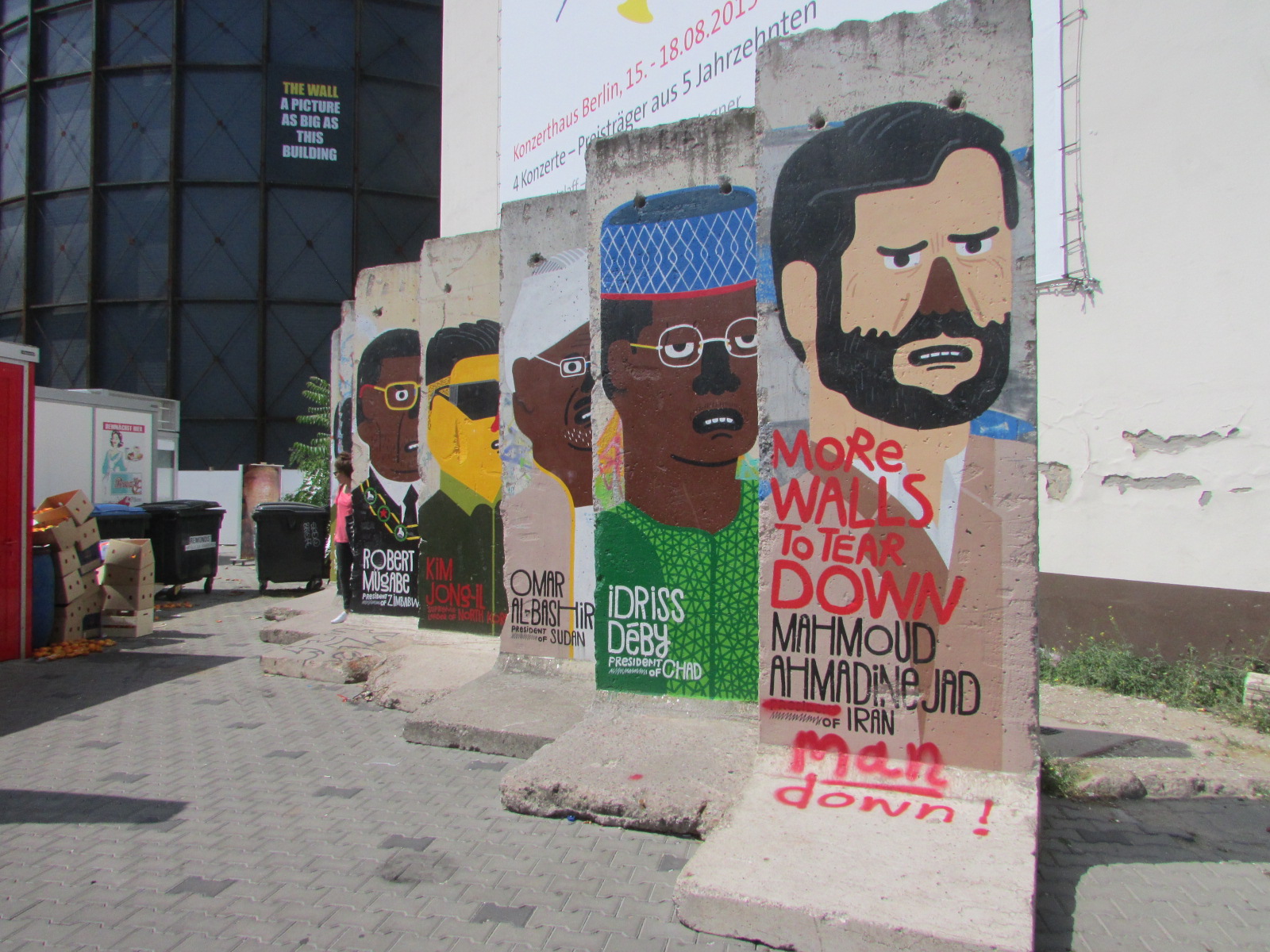
1) East Side Gallery – The only remains of the Berlin Wall where artists were allowed to create their own artwork on the wall’s façade.
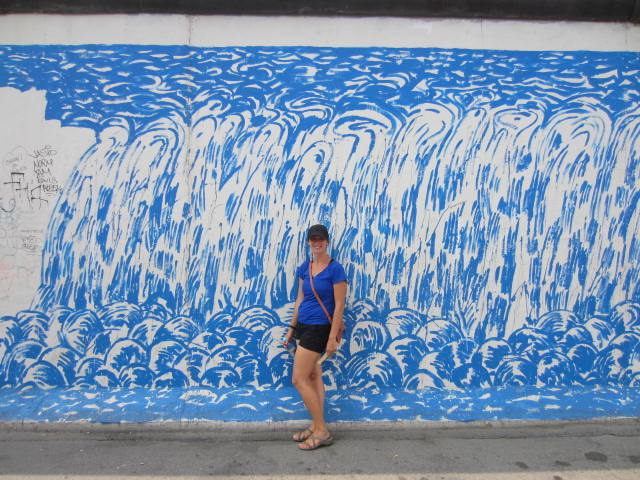
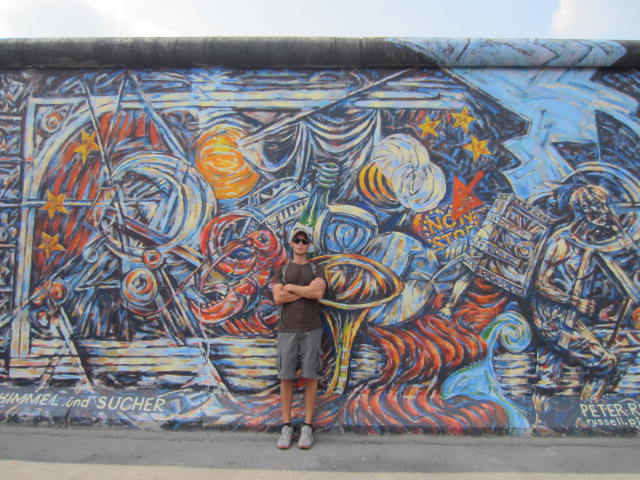
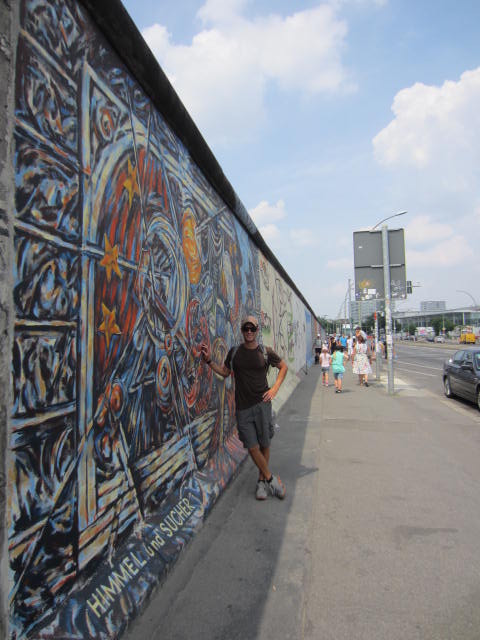
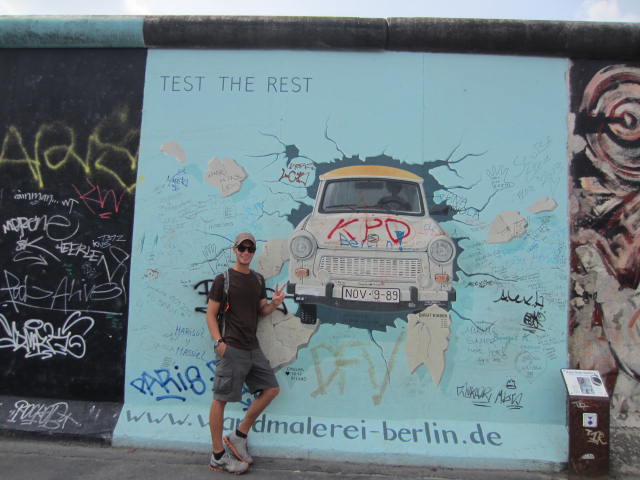
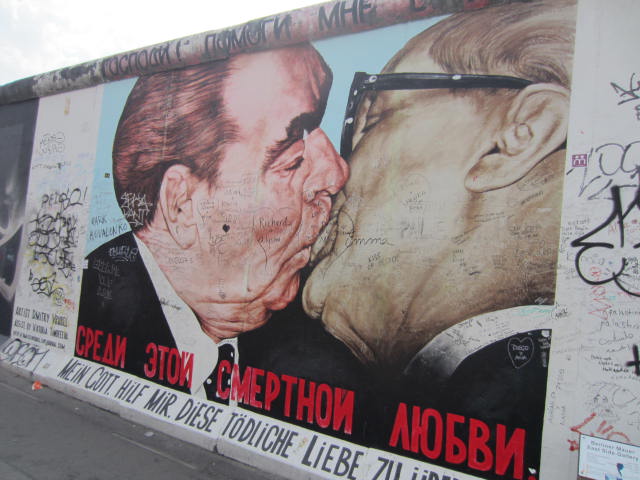
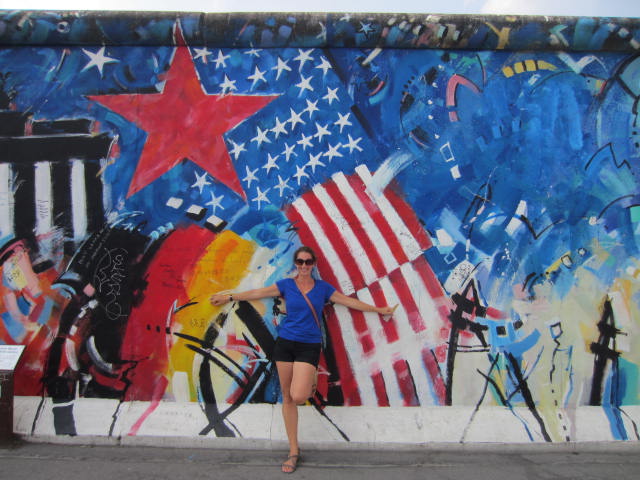
2) Tempelhof Park – Ever wonder what it would be like to ride your bike down an airplane runway? Now is your chance at Tempelhof, the converted former home of the famed Berlin air lifts.
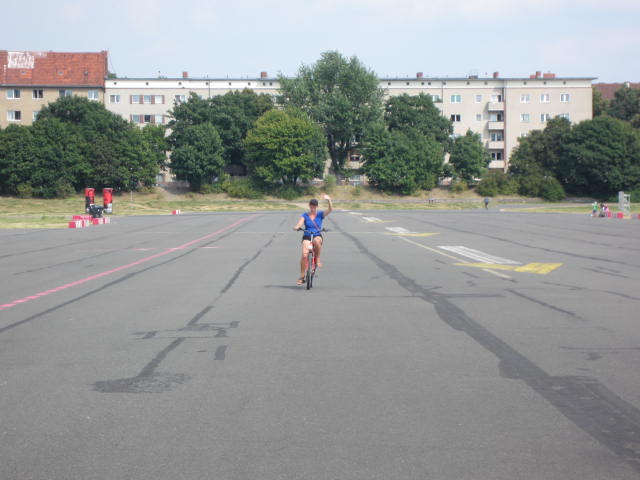
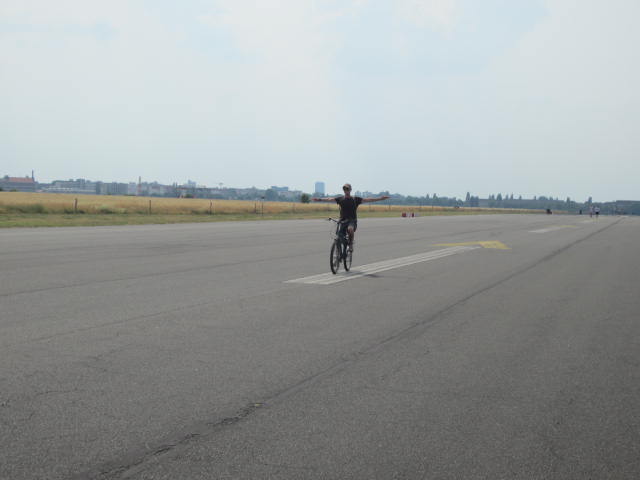
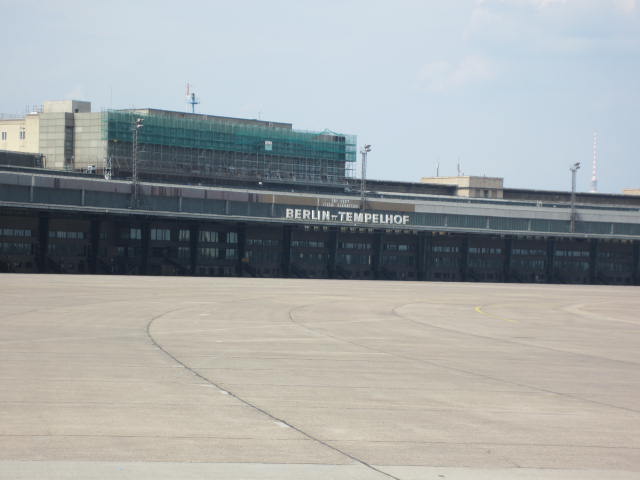
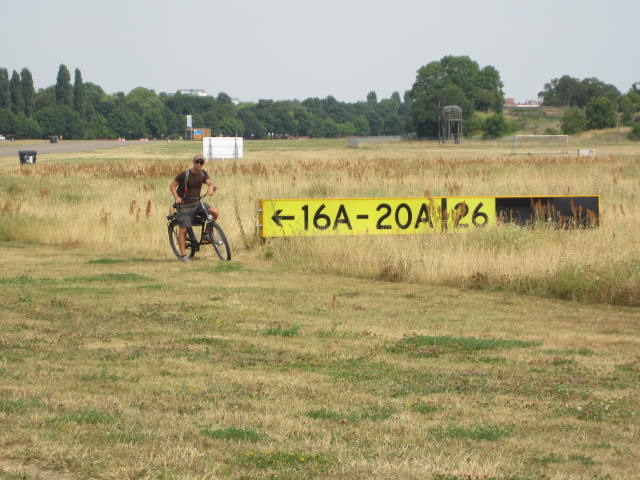
3) Wall Memorial – An outdoor exhibit of the remnants of the original wall focused on its multi-year progression from small brick ledge to a full blown military installation.
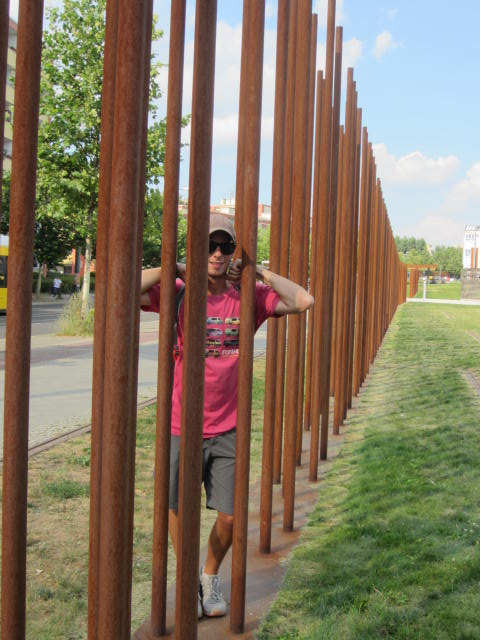
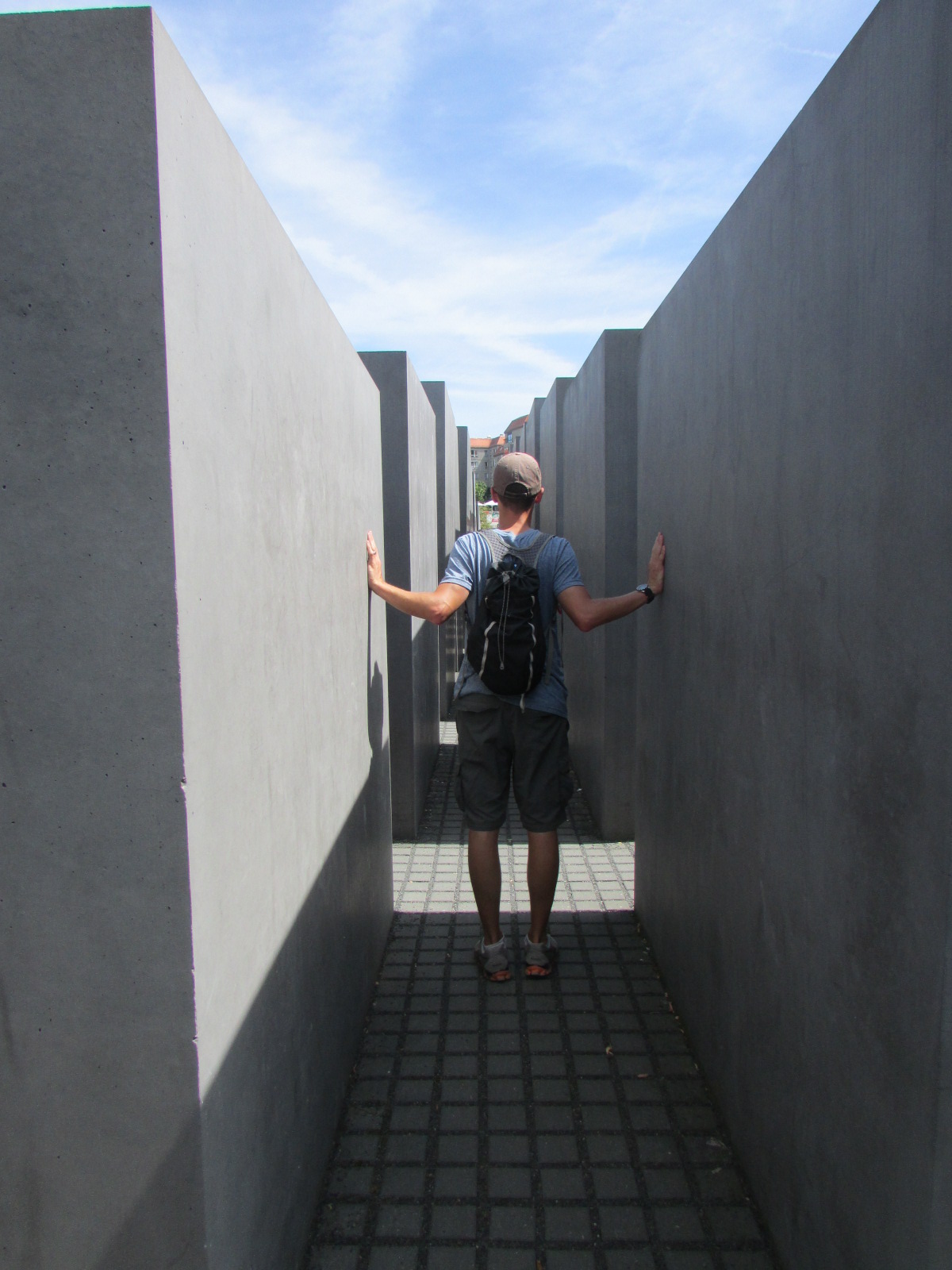
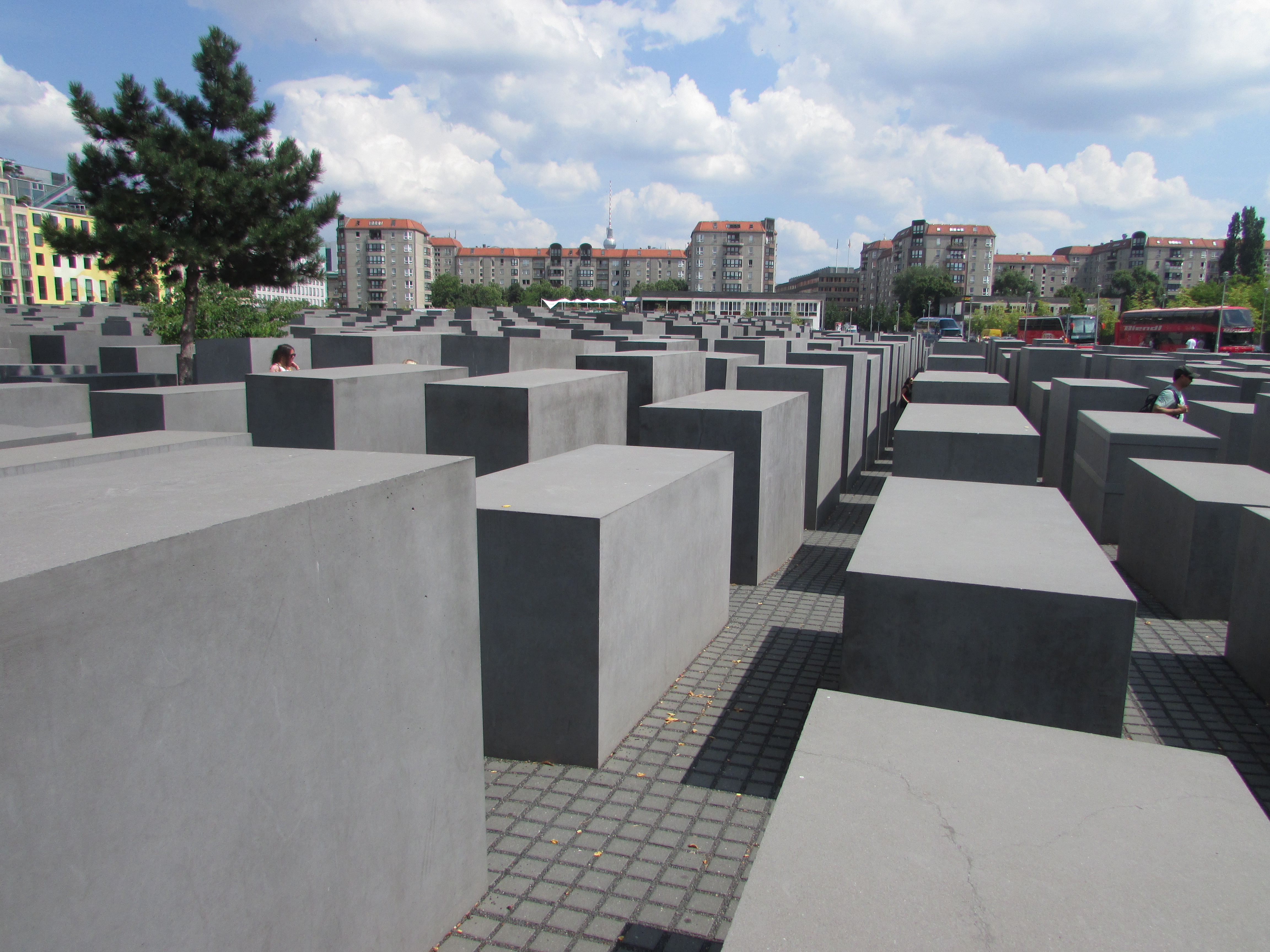
Now back to the infamous Berlin delicacy known as Currywurst. During the 11-month period of the Berlin air lifts, when all land borders were blocked by the Soviets and all goods had to be flown in from the West, West Berliner’s food options dwindled. Legend has it that when the British were looking around for food that they could send to West Berlin, they realized they had an abundance of curry powder. If you take your standard bratwurst, add some ketchup and top it off with some curry powder, what do you have? Currywurst. Berlin had some other very literal titles to offer as well. Are there several museums on an island? Why not call it “Museum Island”. Is there a random Roman Catholic Church over here? Let’s name the street the church sits on “Street Behind the Church”. What about Burger King’s Chicken sandwich … “Long Chicken”, lastly almost too literal; Memorial of the Murdered Jews.
On a more somber note, we recently made a quick stopover in New York City to mourn the loss of Andy’s grandmother, Sylvia. She was truly a remarkable person who could start up a conversation with anyone, was an encyclopedia of knowledge (constantly chiming in with her international news bit or history lesson over Sunday phone calls) and was devoted to her family that she loved so very much. We will miss her deeply.

 wheresmyberger
What a beautiful photo of you, Fran and your lovely grandma!
Thanks mom:)